Assessment of the Efficacy of Extracorporeal Shock Wave Therapy in Adhesive Capsulitis: Outcomes Analysis and Predictors of Recurrence

Original Article | Vol 5 | Issue 1 |  January-June 2025 | page: 23-30 | Paul Teran, Anabel Lozada, Francisco Endara, Luis Guzman

DOI: https://doi.org/10.13107/jrs.2025.v05.i01.165

Open Access License: CC BY-NC 4.0

Copyright Statement: Copyright © 2025; The Author(s).

Submitted Date: 26 April 2025, Review Date: 15 May 2025, Accepted Date: May 2025 & Published: 30 Jun 2025


Author: Paul Teran [1, 2], Anabel Lozada [1], Francisco Endara [1], Luis Guzman [3]

[1] Orthopedic Surgeon, Orthopedic Specialties Center (CEO), Quito-Ecuador,
[2] Department of Traumatology and Orthopedics, Metropolitan Hospital, Quito – Ecuador,
[3] Physician, Orthopedic Specialties Center (CEO), Quito-Ecuador.

Address of Correspondence
Dr. Paul Germán Terán Vela,
Orthopaedic Surgeon, Orthopedic Specialties Center (CEO), Quito-Ecuador.
E-mail: paulteranmd@gmail.com


Abstract

Background: Adhesive capsulitis of the shoulder is a condition characterized by pain and progressive restriction of the range of motion. Its management remains a clinical challenge due to variability in therapeutic response. Extracorporeal shock wave therapy (ESWT) has emerged as a non-invasive alternative with potential antifibrotic and analgesic effects. However, evidence regarding its efficacy and the factors associated with recurrence is limited.
Objectives: To assess the effectiveness of ESWT in functional improvement and pain reduction in patients with adhesive capsulitis and to analyze clinical factors associated with recurrence.
Study Design: A retrospective observational study conducted in a cohort of patients with adhesive capsulitis treated with ESWT. The study adhered to strengthening the reporting of observational studies in epidemiology guidelines for observational research.
Materials and Methods: Nineteen patients with a clinical and image-based diagnosis of adhesive capsulitis in the inflammatory or adhesive stage, treated with ESWT at a specialized center, were included. Patients with prior shoulder surgery, inflammatory arthritis, joint infection, or full-thickness rotator cuff tear were excluded. Demographic, clinical, and therapeutic variables were analyzed.
Measured Outcomes:
• Functionality: Disabilities of the arm, shoulder, and hand (DASH) score, pre- and post-treatment
• Pain: Visual analog scale (VAS)
• Recurrence: Reappearance of symptoms requiring additional intervention within a 1-year period.
Multivariable logistic regression with Lasso regularization was used to identify predictors of recurrence.
Outcomes: Following ESWT treatment, there was a significant reduction in DASH scores (62.4 ± 11.2 pre-treatment vs. 35.6 ± 9.8 post-treatment, P < 0.001) and in VAS scores (mean reduction of 3.8 points, P < 0.001). The 1-year recurrence rate was 26.3%. The following clinical factors were associated with an increased risk of recurrence:
• Advanced age (Odds ratio [OR] = 1.08, confidence interval [IC] 95%: 1.01–1.15, P = 0.02)
• Longer duration from symptom onset to the initiation of ESWT (OR = 1.23, IC 95%: 1.06–1.41, P = 0.004)
• Treatment cost as a mild protective factor (OR = 0.92, IC 95%: 0.85–0.99, P = 0.048).
No significant association was found between the number of ESWT sessions and functional improvement (r = 0.12, P = 0.34).
Conclusion: ESWT has demonstrated significant efficacy in improving functional outcomes and reducing pain in patients with adhesive capsulitis. Nevertheless, advanced age and delayed initiation of therapy have been identified as factors associated with an increased risk of recurrence. Early intervention is therefore recommended to optimize therapeutic outcomes. Further prospective studies with larger sample sizes and appropriate control groups are warranted to validate these findings.
Keywords: Adhesive capsulitis, Frozen shoulder, Extracorporeal shock waves, Extracorporeal shock wave therapy, Capsular fibrosis, Rehabilitation, Recurrence factors


References:

1. Moya D. Myths, truths, doubts and confusions about shockwave therapy and its role in musculoskeletal pathology. Rev Asoc Argent Ortop Traumatol 2024;89:199-209.
2. Ogden JA, Tóth-Kischkat A, Schultheiss R. Principles of shock wave therapy. Clin Orthop Relat Res 2001;387:8-17.
3. Ramon S, Español A, Yebra M, Morillas JM, Unzurrunzaga R, Freitag K, et al. Ondas de choque. Evidencias y recomendaciones SETOC (sociedad española de tratamientos con ondas de choque). Rehabilitacion (Madr) 2021;55:291-300.
4. Speed CA. Extracorporeal shock-wave therapy in the management of chronic soft-tissue conditions. Bone Joint J 2004;86-B:165-71.
5. Ge R, Zhu Q, Liu D, Zhang Q, Jiang S, Yu X, et al. Quantitative proteomics reveals potential anti-inflammatory protein targets of radial extracorporeal shock wave therapy in TNF-α-induced model of acute inflammation in primary human tenocytes. Heliyon 2022;8:e1200800.
6. Simplicio CL, Purita J, Murrell W, Santos GS, Dos Santos RG, Lana JF. Extracorporeal shock wave therapy mechanisms in musculoskeletal regenerative medicine. J Clin Orthop Trauma 2020;11 Suppl 3:S309-18.
7. Inanmaz ME, Uslu M, Isik C, Kaya E, Tas T, Bayram R. Extracorporeal shockwave increases the effectiveness of systemic antibiotic treatment in implant-related chronic osteomyelitis: Experimental study in a rat model. J Orthop Res 2014;32:752-6.
8. Chow DH, Suen PK, Huang L, Cheung WH, Leung KS, Ng C, et al. Extracorporeal shockwave enhanced regeneration of fibrocartilage in a delayed tendon-bone insertion repair model. J Orthop Res 2014;32:507-14.
9. Moya D, Loske AM, Hobrough P, Moya C. History of shock waves and radial pressure waves from newton to our times. J Regen Sci 2023;3:9-14.
10. Huang C, Holfeld J, Schaden W, Orgill D, Ogawa R. Mechanotherapy: Revisiting physical therapy and recruiting mechanobiology for a new era in medicine. Trends Mol Med 2013;19:555-64.
11. Wang CJ, Ko JY, Chan YS, Weng LH, Hsu SL. Extracorporeal shockwave for chronic patellar tendinopathy. Am J Sports Med 2007;35:972-8.
12. Loske AM, Moya D. Shock waves and radial pressure waves: Time to put a clear nomenclature into practice. J Regen Sci 2021;1:4-8.
13. Helbig K, Herbert C, Schostok T, Brown M, Thiele R. Correlations between the duration of pain and the success of shock wave therapy. Clin Orthop Relat Res 2001;387:68-71.
14. Wang CJ, Huang HY, Pai CH. Shock wave-enhanced neovascularization at the tendon-bone junction: An experiment in dogs. J Foot Ankle Surg 2002;41:16-22.
15. Gerdesmeyer L, Von Eiff C, Horn C, Henne M, Roessner M, Diehl P, et al. Antibacterial effects of extracorporeal shock waves. Ultrasound Med Biol 2005;31:115-9.
16. Moya D, Ramón S, Schaden W, Wang CJ, Guiloff L, Cheng JH. The role of extracorporeal shockwave treatment in musculoskeletal disorders. J Bone Joint Surg Am 2018;100:251-63.
17. Wang CJ. Extracorporeal shockwave therapy in musculoskeletal disorders. J Orthop Surg Res 2012;7:11.
18. Schaden W, Fischer A, Sailler A. Extracorporeal shock wave therapy of nonunion or delayed osseous union. Clin Orthop Relat Res 2001;387:90-4.
19. Rompe JD, Buch M, Gerdesmeyer L, Haake M, Loew M, Maier M, et al. Musculoskeletal shock wave therapy–current database of clinical research. Z Orthop Ihre Grenzgeb 2002;140:267-74.
20. Gollwitzer H, Roessner M, Langer R, Gloeck T, Diehl P, Horn C, et al. Safety and effectiveness of extracorporeal shockwave therapy: Results of a rabbit model of chronic osteomyelitis. Ultrasound Med Biol 2009;35:595-602.
21. Carulli C, Tonelli F, Innocenti M, Gambardella B, Muncibì F, Innocenti M. Effectiveness of extracorporeal shockwave therapy in three major tendon diseases. J Orthop Traumatol 2016;17:15-20.
22. Ogden JA, Alvarez RG, Levitt R, Marlow M. Shock wave therapy (Orthotripsy) in musculoskeletal disorders. Clin Orthop Relat Res 2001;387:22-40.
23. Stania M, Juras G, Chmielewska D, Polak A, Kucio C, Król P. Extracorporeal shock wave therapy for achilles tendinopathy. Biomed Res Int 2019;2019:3086910.
24. Sems A, Dimeff R, Iannotti JP. Extracorporeal shock wave therapy in the treatment of chronic tendinopathies. J Am Acad Orthop Surg 2006;14:195-204.
25. Haake M, König IR, Decker T, Riedel C, Buch M, Müller HH. Extracorporeal shock wave therapy in the treatment of lateral epicondylitis: A randomized multicenter trial. J Bone Joint Surg Am 2002;84:1982-91.
26. Rompe JD, Decking J, Schoellner C, Nafe B. Shock wave application for chronic plantar fasciitis in running athletes. A prospective, randomized, placebo-controlled trial. Am J Sports Med 2003;31:268-75.
27. Krischek O, Hopf C, Nafe B, Rompe JD. Shock-wave therapy for tennis and golfer’s elbow — 1 year follow-up. Arch Orthop Trauma Surg 1999;119:62-6.
28. Perlick L, Luring C, Bathis H, Perlick C, Kraft C, Diedrich O. Efficacy of extracorporal shock-wave treatment for calcific tendinitis of the shoulder: Experimental and clinical results. J Orthop Sci 2003;8:777-83.
29. Wang CJ, Wang FS, Yang KD, Weng LH, Hsu CC, Huang CS, et al. Shock wave therapy induces neovascularization at the tendon-bone junction. A study in rabbits. J Orthop Res 2003;21:984-9.
30. Elster EA, Stojadinovic A, Forsberg J, Shawen S, Andersen RC, Schaden W. Extracorporeal shock wave therapy for nonunion of the tibia. J Orthop Trauma 2010;24:133-41.
31. Huang SS, Chen SF, Tsay SL, Chia WT, Chien TW. Nurse practitioner applies extracorporeal shock wave therapy for patients with frozen shoulder: A randomized controlled trial. J Am Assoc Nurse Pract 2025;???:???.
32. Farhat MA, Butt M, Saeed A, Waseem A, Shah SM. Effects of extracorporeal shockwave therapy in long term functional outcomes of shoulder adhesive capsulitis. Ann Med Health Sci Res 2021;11:67-70.
33. Chen CY, Hu CC, Weng PW, Huang YM, Chiang CJ, Chen CH, et al. Extracorporeal shockwave therapy improves short-term functional outcomes of shoulder adhesive capsulitis. J Shoulder Elbow Surg 2014;23:1843-51.


How to Cite this article: Terán P, Lozada A, Endara F, Guzmán L | Assessment of the efficacy of extracorporeal shock wave therapy in adhesive capsulitis: Outcomes analysis and predictors of recurrence. | Journal of Regenerative Science | Jan-Jun 2025; 5(1): 23-30.


[Article Text HTML]       [Full Text PDF] 


Proposal of a standardized positioning for rotator cuff treatment with shock waves and radial pressure waves: An anatomo-imaging correlation

Original Article | Vol 5 | Issue 1 |  January-June 2025 | page: 19-22 | María Laura Tutté, Marcela Cedrés, Gabriela Stadler, Daniel Moya

DOI: https://doi.org/10.13107/jrs.2025.v05.i01.163

Open Access License: CC BY-NC 4.0

Copyright Statement: Copyright © 2025; The Author(s).

Submitted Date: 2025, Review Date: 2025, Accepted Date: 2025 & Published: 30 Jun 2025


Author: María Laura Tutté [1], Marcela Cedrés [2], Gabriela Stadler [1], Daniel Moya [3]

[1] Department of Rehabilitation and Physical Medicine, State Insurance Bank Hospital Montevideo, Uruguay,
[2] Department of Imagenology, State Insurance Bank Hospital, Montevideo, Uruguay,
[3] Department of Orthopaedic Surgery, Buenos Aires British Hospital, Argentina.

Address of Correspondence
Dr. María Laura Tutté,
Department of Rehabilitation and Physical Medicine, State Insurance Bank Hospital Montevideo, Uruguay.
E-mail: dra.tutte@gmail.com


Abstract
One of the keys to successful treatment with radial pressure waves and focused shock waves is being able to deliver the energy to the right area. The shoulder region is characterized by a complex architecture with overlapping structures, which can make it difficult to locate the area to be treated.
The aim of this study is to describe the best upper limb positions and standardized approaches to treat rotator cuff pathology, based on the correlation of radiological and ultrasound images obtained during a joint examination by an imaging expert and a shock wave specialist.
Keywords: Extracorporeal shock wave therapy, Radial pressure waves, Arm positioning, Shoulder ultrasound


References:

1. Moya D, Ramón S, Schaden W, Wang CJ, Guiloff L, Cheng JH. The role of extracorporeal shockwave treatment in musculoskeletal disorders. J Bone Joint Surg Am 2018;100:251-63.
2. Moya D, Ramón S, Guiloff L, Gerdesmeyer L. Current knowledge on evidence-based shockwave treatments for shoulder pathology. Int J Surg 2015;24(Pt B):171-8.
3. Moya D, Rashid M, Rowinski S, Al-Qahtani S, Bernáldez Domínguez P, Gómez D, et al. Therapeutic options in rotator cuff calcific tendinopathy. SICOT J 2025;11:9.
4. Dahmen G, Franke R, Gonchars V. Treatment of soft tissue pain near bone with extracorporeal shock wave therapy (ESWT): Indication, technique and previous results. In: Chaussy C, Eisenberger F, Jocham D, Wilbert D, editors. Die Stosswelle: Forschung und Klinik. Tübingen, Germany: Attempto-Verlag; 1995. p. 175-86.
5. Buch M, Hahne H, Klatt J. Results of shock wave therapy for calcific tendinosis of the shoulder from the Orthopaedic Clinic Kassel: Prospective comparison of low-energy and high-energy shock wave therapy and needling for calcific tendinosis of the shoulder. Orthop Praxis 1999;35:143-9.
6. Tornese D, Mattei E, Bandi M, Zerbi A, Quaglia A, Melegati G. Arm position during extracorporeal shock wave therapy for calcifying tendinitis of the shoulder: A randomised study. Clin Rehabil 2011;25:731-9.
7. Sabeti M, Dorotka R, Goll A, Gruber M, Schatz KD. A comparison of two different treatments with navigated extracorporeal shock-wave therapy for calcifying tendinitis – a randomized controlled trial. Wien Klin Wochenschr 2007;119:124-8.
8. Haake M, Deike B, Thon A, Schmitt J. Exact focusing of extracorporeal shockwave therapy for calcifying tendinopathy. Clin Orthop Relat Res 2002;397:323-31.
9. Loew M, Jurgowski W, Mau HC, Thomsen M. Treatment of calcifying tendinitis of rotator cuff by extracorporeal shock waves: A preliminary report. J Shoulder Elbow Surg 1995;4:101-6.
10. Charrin JE, Noel ER. Shockwave therapy under ultrasonographic guidance in rotator cuff calcific tendinitis. Jt Bone Spine 2011;68:241-4.
11. Brañes J, Contreras H, Cabello P, Antonic V, Guiloff L, Brañes M. Shoulder rotator cuff responses to extracorporeal shockwave therapy: Morphological and immunohistochemical analysis. Shoulder Elbow 2012;4:163-8.
12. Pan PJ, Chou CL, Chiou HJ, Ma HL, Lee HC, Chan RC. Extracorporeal shock wave therapy for chronic calcific tendinitis of the shoulder: A functional and sonographic study. Arch Phys Med Rehabil 2003;84:988-93.
13. Cosentino R, De Stefano R, Selvi E, Frati E, Manca S, Frediani B, et al. Extracorporeal shock wave therapy for chronic calcific tendinitis of the shoulder: Single blind study. Ann Rheum Dis 2003;62:248-50.
14. Rebuzzi E, Coletti N, Schiavetti S, Giusto F. Arthroscopy surgery versus shock wave therapy for chronic calcifying tendinitis of the shoulder. J Orthop Traumatol 2008;9:179-85.
15. Sabeti-Aschraf M, Dorotka R, Gol Al, Trieb K. Extracorporeal shock wave therapy in the treatment of calcific tendinitis of the rotator cuff. Am J Sports 2005;33:1365-8.
16. Li Q, Chen R, Yu Y, Wang X, Feng X, Jiang L, et al. Extracorporeal shockwave therapy combined with multiple drilling and intramedullary drug injection for treating early-stage Femur Head Necrosis: Protocol for a randomized controlled trial. Medicine (Baltimore) 2020;99:e22598.
17. Moya D, Gómez D, Velóz Serrano D, Bernáldez Domínguez P, Dallo Lazzarini I, Gómez G. Treatment protocol for rotator cuff calcific tendinitis using a single-crystal piezoelectric focused shock wave source. J Vis Exp 2022;190:1-14


How to Cite this article: Tutté ML, Cedrés M, Stadler G, Moya D | Proposal of a standardized positioning for rotator cuff treatment with shock waves and radial pressure waves: An anatomoimaging correlation. | Journal of Regenerative Science | Jan-Jun 2025; 5(1): 19-22.


[Article Text HTML]       [Full Text PDF] 


Prolactin: A New Actor in Musculoskeletal Physiology and its Implication in Orthopedic Pathologies

Original Article | Vol 5 | Issue 1 |  January-June 2025 | page: 14-18 | Paul Germán Terán Vela, Estefanía Anabel Lozada Tobar, Luis Eduardo Guzmán Freire

DOI: https://doi.org/10.13107/jrs.2025.v05.i01.161

Open Access License: CC BY-NC 4.0

Copyright Statement: Copyright © 2025; The Author(s).

Submitted Date: 10 May 2025, Review Date: 20 May 2025, Accepted Date: May 2025 & Published: 30 Jun 2025


Author: Paul Germán Terán Vela [1], Estefanía Anabel Lozada Tobar [1], Luis Eduardo Guzmán Freire [2]

[1] Department of Traumatology and Orthopedics, Orthopedic Specialties Center, Quito- Ecuador,
[2] Orthopedic Specialties Center, Quito-Ecuador.

Address of Correspondence
Dr. Paul Germán Terán Vela,
Department of Traumatology and Orthopedics, Orthopedic Specialties Center, Quito-Ecuador.
E-mail: paulteranmd@gmail.com


Abstract
Prolactin (PRL), traditionally known for its role in lactation, has emerged as a pleiotropic hormone with actions that extend beyond reproduction. Growing evidence suggests its involvement in pain modulation, immune function and tissue homeostasis, with potential repercussions on musculoskeletal health. This review analyzes in depth the available scientific literature on PRL and its relationship with orthopedic pathologies, including chronic pain, tendinopathies, and conditions of the muscle, ligaments, and articular cartilage. The molecular and cellular mechanisms underlying the influence of PRL on musculoskeletal physiology are explored, as well as the clinical implications of its level disturbances, both hyperprolactinemia and hypoprolactinemia. Finally, future perspectives and lines of research are discussed to fully understand the role of PRL in the context of orthopedic pathologies are discussed.
Keywords: Prolactin, Hyperprolactinemia, Hypoprolactinemia, Chronic pain, Tendinopathies, Osteoarthritis, Skeletal muscle, Ligaments, Articular cartilage, Prolactin receptors


References:

1. Noel GL, Suh HK, Stone JG, Frantz AG. Human prolactin and growth hormone release during surgery and other conditions of stress. J Clin Endocrinol Metab 1972;35:840-51.
2. Sassin JF, Frantz AG, Weitzman ED, Kapen S. Human prolactin: 24-Hour pattern with increased release during sleep. Science 1972;177:1205-7.
3. Melmed S, Casanueva FF, Hoffman AR, Kleinberg DL, Montori VM, Schlechte JA, et al. Diagnosis and treatment of hyperprolactinemia: An endocrine society clinical practice guideline. J Clin Endocrinol Metab 2011;96:273-88.
4. Molitch ME. Drugs and prolactin. Pituitary 2008;11:209-18.
5. Bostwick JR, Guthrie SK, Ellingrod VL. Antipsychoticinduced hyperprolactinemia. Pharmacotherapy 2009;29:64-73.
6. Littley MD, Shalet SM, Beardwell CG, Ahmed SR, Applegate G, Sutton ML. Hypopituitarism following external radiotherapy for pituitary tumours in adults. Q J Med 1989;70:145-60.
7. Webster J, Piscitelli G, Polli A, Ferrari CI, Ismail I, Scanlon MF. A comparison of cabergoline and bromocriptine in the treatment of hyperprolactinemic amenorrhea. Cabergoline comparative study group. N Engl J Med 1994;331:904-9.
8. Maciuba S, Bowden GD, Stratton HJ, Wisniewski K, Schteingart CD, Almagro JC, et al. Discovery and characterization of prolactin neutralizing monoclonal antibodies for the treatment of female-prevalent pain disorders. MAbs 2023;15:2254676.
9. Singh S, Kopruszinski CM, Watanabe M, Dodick DW,Navratilova E, Porreca F. Female-selective mechanisms promoting migraine. J Headache Pain 2024;25:63.
10. Clevenger CV, Furth PA, Hankinson SE, Schuler LA. The role of prolactin in mammary carcinoma. Endocr Rev 2003;24:1-27.
11. Ling C, Hellgren G, Gebre-Medhin M, Dillner K, Wennbo H, Carlsson B, et al. Prolactin (PRL) receptor gene expression in mouse adipose tissue: Increases during lactation and in PRLtransgenic mice. Endocrinology 2000;141:3564-72.
12. Guler HP, Zapf J, Froesch R. Short-term metabolic effects of recombinant human insulin-like growth factor I in healthy adults. N Engl J Med 1987;317:137-40.
13. Lubberts E, Joosten LA, Oppers B, Van Den Bersselaar L, Coenen-De Roo CJ, Kolls JK, et al. IL-1-independent role of IL-
17 in synovial inflammation and joint destruction duringcollagen-induced arthritis 1. J Immunol 2001;167:1004-13.
14. Schlechte JA, Shermanf BM, Chapler FK, Van Gilder J. Long term follow-up of women with surgically treated prolactinsecretingpituitary tumors. J Clin Endocrinol Metab1986;62:1296-301.
15. Klibanski A, Zervas NT. Diagnosis and management ofhormone-secreting pituitary adenomas. N Engl J Med 1991;324:822-31.
16. Yun SJ, Sang H, Park SY, Chin SO. Effect ofhyperprolactinemia on bone metabolism: Focusing onosteopenia/osteoporosis. Int J Mol Sci 2024;25:1474.
17. Buvat J, Lemaire A, Buvat-Herbaut M, Fourlinnie JC,Racadot A, Fossati P. Hyperprolactinemia and sexual functionin men. Horm Res 1985;22:196-203.
18. Szewczyk AK, Ulutas S, Aktürk T, Al-Hassany L, Börner C,Cernigliaro F, et al. Prolactin and oxytocin: Potential targets formigraine treatment. J Headache Pain 2023;24:31.


How to Cite this article: Terán Vela PG, Tobar EAL, Freire LEG | Prolactin: A New Actor in Musculoskeletal Physiology and its Implication in Orthopedic Pathologies| Journal of Regenerative Science | Jan-Jun 2025; 5(1): 14-18.


[Article Text HTML]       [Full Text PDF] 


Tibial delayed bone healing in a pediatric patient. Treatment with focused shock wave therapy

Bibliographic Analysis | Vol 5 | Issue 1 |  January-June 2025 | page: 05-07 | Martín Turco, Fernando Dobkin, Purrello Silvia

DOI: https://doi.org/10.13107/jrs.2025.v05.i01.157

Open Access License: CC BY-NC 4.0

Copyright Statement: Copyright © 2025; The Author(s).

Submitted Date: 10 Feb 2025, Review Date: 12 Mar 2025, Accepted Date: May 2025 & Published: 30 Jun 2025


Author: Martín Turco [1], Fernando Dobkin [1], Purrello Silvia [2]

[1] Department of Orthopaedic Surgery, Sanatorio Parque Rosario, Rosario, Argentina,
[2] Department of Orthopaedic Surgery, Sanatorio de Niños Rosario, Rosario, Argentina.

Address of Correspondence
Dr. Martín Turco,
Department of Orthopaedic Surgery, Sanatorio Parque Rosario, Rosario, Argentina.
E-mail: martinturco@live.com.ar


Abstract
Surgery for leg fractures in children and adolescents can have complications such as delayed healing and non-unions. When this complication occurs in many cases, it is necessary to remove the previously placed implant, generate a new active focus (bone curettage), and place a new implant, with or without the addition of bone graft. In cases where the fracture site is stable, focused shock waves can play a therapeutic role with a low complication rate. We present the long-term results in a case of tibial shaft fracture with delayed healing treated with shock waves in an 11- year-old patient.
Keywords: Tibial delayed healing, Non-union; Leg fracture; Shock Waves, Pediatric Fracture


References:

1. Wang Y, Doyle M, Smit K, Varshney T, Carsen S. The toddler‘s fracture. Pediatr Emerg Care 2022;38:36-9.
2. Rockwood CA, Wilkins KE, Beaty JH, Kasser JR. Rockwood and Wilkins‘ Fractures in Children. Philadelphia, PA: Lippincott Williams and Wilkins; 2001.
3. Gordon JE, Gregush RV, Schoenecker PL, Dobbs MB, Luhmann SJ. Complications after titanium elastic nailing of pediatric tibial fractures. J Pediatr Orthop 2007;27:442-6.
4. Valchanou VD, Michailov P. High energy shock waves in the treatment of delayed and nonunion of fractures. Int Orthop 1991;15:181-4.
5. Moya D, Ramón S, Schaden W, Wang CJ, Guiloff L, Cheng JH. The role of extracorporeal shockwave treatment in musculoskeletal disorders. J Bone Joint Surg Am 2018;100:251-63.
6. Haupt G. Use of extracorporeal shock waves in the treatment of pseudarthrosis, tendinopathy and other orthopedic diseases. J Urol 1997;158:4-11.
7. Rompe JD, Rosendahl T, Schöllner C, Theis C. High-energy extracorporeal shock wave treatment of nonunions. Clin Orthop Relat Res 2001;387:102-11.
8. Wang CJ, Chen HS, Chen CE, Yang KD. Treatment of nonunions of long bone fractures with shock waves. Clin Orthop Relat Res 2001;387:95-101.
9. Schaden W, Fischer A, Sailler A. Extracorporeal shock wave therapy of nonunion or delayed osseous union. Clin Orthop Relat Res 2001;387:90-4.
10. Elster EA, Stojadinovic A, Forsberg J, Shawen S, AndersenRC, Schaden W. Extracorporeal shock wave therapy for nonunion of the tibia. J Orthop Trauma 2010;24:133-41.
11. Schaden W, Mittermayr R, Haffner N, Smolen D, Gerdesmeyer L, Wang CJ. Extracorporeal shockwave therapy (ESWT)–First choice treatment of fracture non-unions? Int J Surg 2015;24:179-83.
12. Moya D, Brañes M, Guiloff L, Ramón S, Olivieri H. Use of Focused Shockwaves Under 18 Years Old: Is it Justified to Cross the Limit? 22nd ISMST Congress, Beijing, China, 2019.
13. Senes S, Staudacher G, Iglesias S, Moya D, Goyeneche R. Treatment of a femoral shaft non-union in a pediatric patient with focused shockwaves. Regen Sci 2022;2:36-8.
14. Ruíz-Mejía O, Pimentel-Rangel J, Escudero-Rivera D, Valle-de Lascurain G, Oribio-Gallegos JA. Manejo de las fracturas diafisarias en pacientes pediátricos con clavos elásticos de titanio [Management of shaft fractures with elastic titanium nails in pediatric patients]. Acta Ortop Mex 2012;26:162-9.
15. Mendoza-Balta RJ, Bello-González A, Rosas-Cadena JL. Tratamiento de fracturas diafisiarias en niños con clavos elásticos de titanio [Treatment of shaft fractures in children with elastic titanium nails]. Acta Ortop Mex 2009;23:286-91.
16. Yao LF, Chen Q, Zhong ZP, Xu RM, Wang HR, Peng LR, et al. [Analysis on complications of elastic nail treating children’s long bone fractures]. Zhongguo Gu Shang 2009;22:98-100.
17. Lascombes P, Haumont T, Journeau P. Use and abuse of flexible intramedullary nailing in children and adolescents. J Pediatr Orthop 2006;26:827-34.
19. Jhan SW, Wu KT, Chou WY, Chen JW, Siu KK, Huang WC, Wang CJ, Cheng JH. Does extracorporeal shockwave therapy treat leg length discrepancy? an experimental animal study. Arthritis Res Ther. 2025 Mar 4;27(1):47. doi: 10.1186/s13075- 025-03519-6. PMID: 40038756; PMCID: PMC11877862.


How to Cite this article: Turco M, Dobkin F, Silvia P | Tibial delayed bone healing in a pediatric patient. Treatment with focused shock wave therapy. | Journal of Regenerative Science | Jan-Jun 2025; 5(1): 05-07.


[Article Text HTML]       [Full Text PDF] 


A Commentary on “Extracorporeal Shock Wave Therapy with Imaging Examination for Early Osteonecrosis of the Femoral Head: A Systematic Review”

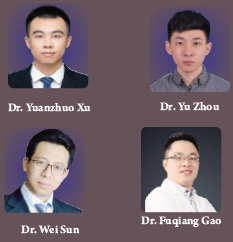
Bibliographic Analysis | Vol 5 | Issue 1 |  January-June 2025 | page: 03-04 | Song Dehui, Sun Wei, Fuqiang Gao

DOI: https://doi.org/10.13107/jrs.2025.v05.i01.155

Open Access License: CC BY-NC 4.0

Copyright Statement: Copyright © 2025; The Author(s).

Submitted Date: 08 Apr 2025, Review Date: 24 May 2025, Accepted Date: May 2025 & Published: 30 Jun 2025


Author: Song Dehui [1], Sun Wei [2, 3], Fuqiang Gao [1]

[1] Department of Orthopaedic Surgery, Center for Osteonecrosis and Joint Preserving and Reconstruction, China-Japan Friendship Hospital, Beijing, China,
[2] Department of Orthopedics, Beijing United Family Hospital, Chaoyang, Beijing, China,
[3] Department of Orthopaedic Surgery, Perelman School of Medicine, University of Pennsylvania, Philadelphia, Pennsylvania, USA.

Address of Correspondence
Dr. Fuqiang Gao.
Department of Orthopaedic Surgery, Center for Osteonecrosis and Joint Preserving and Reconstruction, China-Japan Friendship Hospital, Beijing, China.
E-mail: gaofuqiang@bjmu.edu.cn


Dear Editor,
We have carefully read the systematic review article by Tan et al. [1] published in the International Journal of Surgery. By combining imaging and clinical findings as an important indicator, they studied the clinical effect and images of extracorporeal shock wave therapy (ESWT) in early stage osteonecrosis of the femoral head (ONFH), and suggested that ESWT can improve the symptom of bone marrow edema and was expected to be used as a promising treatment to enhance hip function and reduce pain in the early ONFH. However, we have a few considerations we would like to discuss regarding specific aspects of the study.
First, this systematic review included the randomized controlled trials (RCTs) and case series studies. RCT is widely considered the “gold standard” for evaluating the causal effect of the intervention, and case series, which provide some observational evidence for practical clinical applications, have a low level of evidence and a high risk of selection bias due to insufficient patient selection criteria. The combination of two types of studies for analysis may introduce bias and affect the efficacy of ESWT. In addition, we found that one of the studies involved fewer than 20 cases. It may result in insufficient statistical power, increasing the risk of false-positive or false-negative results due to random variability. Second, when comparing the three main indicators: Damage size (lesion size), change in Association Research Circulation Osseous stage, and marrow edema grade after ESWT, the results mainly relied on only one single-center RCT by Wang et al. [2] and significant differences existed in the cont ol group interventions across several included studies. Some studies used medical treatment as a control, whereas others conducted surgical intervention. This variability makes it challenging to isolate the potential contributions of other treatments, significantly limiting the precise assessment of the relative effect of ESWT.
Finally, throughout the study, the authors did not clearly differentiate between ONFH and bone marrow edema syndrome (BMES). Instead, they examined bone marrow edema as an early symptom of avascular necrosis (AVN), which may obscure the distinct nature of these conditions and misrepresent the effects of ESWT. ONFH is a common condition characterized by hypoxia and necrosis of bone tissue caused by disrupted local blood supply. This is a worsening and irreversible process, leading to irreparable bone damage and structural deformity. Surgical interventions, such as total hip replacement, are often required in severe cases. In contrast, BMES is a reversible condition characterized by elevated intraosseous pressure and a localized inflammatory response causing fluid accumulation in the bone marrow.
Its primary symptom is acute localized pain, but it often resolves spontaneously. Conservative treatments, including non-steroidal antiinflammatory drugs, physical therapy, and weight-bearing reduction, are typically effective. ESWT has demonstrated efficacy in promoting tissue regeneration, enhancing angiogenesis, and alleviating local pain, particularly in BMES.
However, the efficacy of ESWT in treating AVN of the femoral head is relatively limited. Thus, treating bone marrow edema as an early manifestation of femoral head necrosis may overestimate the overall efficacy of ESWT, potentially misrepresenting its therapeutic impact. Simple bone marrow edema typically presents as a diffuse high-signal response in the femoral head on magnetic resonance imaging (MRI). In contrast, bone marrow edema secondary to ONFH appears as a low or absent signal on MRI, reflecting necrotic and inactive bone tissue. In the discussion, the citation of Figs. 8 and 9 failed to clearly differentiate whether the imaging sources represented BMES alone or bone marrow edema secondary to AVN. When citing relevant imaging results, special attention should be paid to the differences in imaging between the two types of BMES. Such ambiguous referencing may mislead readers into assuming that ESWT has comparable therapeutic effects across all types of bone marrow edema. Nevertheless, we commend the authors for their contribution to the study, and we believe that with further differentiation between BMES and ONFH the related research will be more precise and in-depth.


References:

1. Tan H, Tang P, Chai H, Ma W, Cao Y, Lin B, et al. Extracorporeal shock wave therapy with imaging examination for early osteonecrosis of the femoral head: A systematic review. Int J Surg 2024;111:1144-53.
2. Wang CJ, Huang CC, Wang JW, Wong T, Yang YJ. Longterm results of extracorporeal shockwave therapy and core decompression in osteonecrosis of the femoral head with eightto nine-year follow-up. Biomed J 2012;35:481-5.


How to Cite this article: Dehui S, Wei S, Gao F | A Commentary on “Extracorporeal Shock Wave Therapy with Imaging Examination for Early Osteonecrosis of the Femoral Head: A Systematic Review”. | Journal of Regenerative Science | Jan-Jun 2025; 5(1): 03-04.


[Article Text HTML]       [Full Text PDF] 


Combined Regenerative Treatments for Musculoskeletal Disorders: Is this the Way Forward?

Editorial | Vol 5 | Issue 1 |  January-June 2025 | page: 01-02 | Daniel Moya

DOI: https://doi.org/10.13107/jrs.2025.v05.i01.153

Open Access License: CC BY-NC 4.0

Copyright Statement: Copyright © 2025; The Author(s).

Submitted Date: 05 Feb 2025, Review Date: 15 May 2025, Accepted Date: 25 May 2025 & Published: 30 Jun 2025


Author: Daniel Moya [1]

[1] Department of Orthopaedics, Hospital Británico de Buenos Aires, Argentina.

Address of Correspondence
Dr. Daniel Moya,
Department of Orthopaedics, Hospital Británico de Buenos Aires, Argentina.
E-mail: drdanielmoya@yahoo.com.ar


Editorial

If we had the opportunity to visit a European pharmacy during the 16th century, we would surely find crushed Egyptian mummies among the medicines for sale [1]. Its use was indicated for all types of ailments, from headaches or indigestion to treating the consequences of bubonic plague [2].
The practice of consuming parts of ancient Egyptian mummies began in the 11th century [3], and its widespread in Western Europe was in fact, due to a series of mistranslations and misunderstandings [1]. The Persians considered asphalt a miraculous substance, with healing effects in the treatment of wounds and fractures. They called this substance “mum” [3]. It was first described in detail in the Arabic medical pharmacy texts as “mumiya” [1-4]. Probably, translation errors and the fact that Egyptian mummies were covered in a layer of resin, led to the conclusion that eating mummies powder would have beneficial effects on health. The custom spreaded from Byzantium throughout Europe, remaining in some cases until the 19th century [1-4].
These stories, which are laughable today, reflect human nature and its eternal search for the source of eternal youth and health. While therapeutic attempts may change over the centuries, our nature remains the same. The explosion of interest in “regenerative medicine” in recent years has opened up new hope as a healing option that is often presented as miraculous. As if the constant emergence of new therapeutic options whose effectiveness is not fully proven was not enough, we also faced the capricious combination of these methods. It is not uncommon to see the indiscriminate dissemination of these techniques by colleagues on social media and congresess and its application in medical practice without solid scientific evidence. For example, the proposal to combine shock waves with platelet-rich plasma has become very popular at scientific conferences and presentations. However, there is no solid evidence to support it for most musculoskeletal indications.
A simple ankle sprain is treated with four different therapeutic methods simultaneously. After 2 weeks, the hematoma and edema miraculously resolved!!! The same thing that would happen only with ice and rest.
In the case of a professional athlete, where a positive result is needed as quickly as possible, it may make some sense to deviate from the usual norms, but it is not necessarily valid to apply this as a massive practice.
The principle of Ockham’s razor is a philosophical rule that recommends choosing the simplest explanation in situations where several explanations for the same phenomenon are presented [5]. It is very difficult to apply in cases of combined treatment. When many therapies are applied, we’ll never know which method really cured the patient, if any of them actually made a difference, but the professional and the promoted devices will undoubtedly increase their sales. Likewise, if the patient worsens, we will not know which treatment or combination of treatments was responsible for the poor outcome.
It is important to differentiate between “complementary treatments” and “combined treatments.” We could say that in the case of complementary treatments, we use techniques that have different objectives and mechanisms of action, for example immobilization, ice, and rest in the case of an acute traumatic injury. In the case of “combined” treatments, there is often an overlap of mechanisms of action.
In his unforgettable television series on the development of science and technology, Burke [6] stated, “If you follow the trail from the past to a modern procedure used by humanity, the story has many twists, turns, false leads, and conjectures.” New therapeutic alternatives can offer us the results we’ve always desired, but in some cases, they may be false leads. Scientifically based study of the combination of therapeutic methods before offering them commercially and undiscriminatingly will prevent our generation from becoming the mummy powder salesmen of the 21st century that will cause laughter in the future among those who follow us on the path of medicine.


References:

1. Dannenfeldt KH. Egyptian mumia: The sixteenth century experience and debate. Sixt Century J 1985;16:163-80.
2. Abel GM. Mummy Extract, the Multipurpose Remedy of the Middle Ages in Spanish. National Geographic; 2023. Available from: https://historia.nationalgeographic.com.es/a/extracto-momia-remedio-multiusos-edad-media-18121 [Last accessed on 2025 May ???].
3. Blakemore E. The Gory History of Europe’s Mummy-Eating Fad. National Geographic; 2023. Available from: https://www.nationalgeographic.com/history/article/mummy-eating-medical-cannibalism-gory-history [Last accessed on 2025 May].
4. Bouras-Vallianatos P, Käs F. Treating with minerals in the middle ages: The rare substance mūmiyā‘ (pitch-asphalt) and its medicinal uses in Byzantium. Med Hist 2024;68:223-36.
5. McFadden J. Razor sharp: The role of occam’s razor in science. Ann N Y Acad Sci 2023;1530:8-17.
6. Burke J. Connections. BBC; 1978. Available from: https://archive.org/details/connectionsbyjamesburke [Last accessed on 2025 May].


How to Cite this article: Moya D | Combined Regenerative Treatments for Musculoskeletal Disorders: Is this the Way Forward? | Journal of Regenerative Science | Jan-Jun 2025; 5(1): 01-02.


[Article Text HTML]       [Full Text PDF] 


Brazilian Medical Society for Shock Wave Treatment

Editorial | Vol 4 | Issue 2 |  July-December 2024 | page: 01-01 | Ana Mourão

DOI: https://doi.org/10.13107/jrs.2024.v04.i02.137


Author: Ana Mourão [1]

[1] Department of Physiatry, Service at Pedro Ernesto University Hospital, Rio de Janeiro, Brazil.

Address of Correspondence
Dr. Ana Mourão,

Department of Physiatry, Service at Pedro Ernesto University Hospital, Rio de Janeiro, Brazil.

E-mail: ana.mourao@hupe.uerj.br


Editorial

It is with great honor and responsibility that I write for the “Journal of Regenerative Science” in an issue dedicated to Brazil, highlighting the importance of the Brazilian Medical Society for Shock Wave Treatment (SMBTOC). The invitation from the editor-in-chief, Dr. Daniel Moya, is recognition of our continuous efforts in promoting health and innovation. Furthermore, I feel grateful and honored by the eminent responsibility.
Since our founding on March 08, 2001, SMBTOC has been a driving force in the field of shock waves in Brazil. It was born from a group of orthopedic enthusiasts in São Paulo. It soon expanded its horizons to encompass various medical specialties, such as Physiatry, pain clinic, anesthesia, rheumatology, radiology, acupuncture, among others.
The growing popularity of shock wave treatment, based on strong scientific evidence and proven efficacy, highlights the importance of performing it under the supervision of well-trained and qualified physicians. This focus maintains the integrity and efficiency of the method, distancing us from the risks associated with less successful practices.
In 2018, we reformulated our name to the SMBTOC, reflecting the breadth and diversity of our commitment. Our impact is strengthened through social media, digital platforms and educational programs, which have already trained more than 1,000 doctors, a true demonstration of our commitment to professional excellence and innovation.
In the international arena, SMBTOC has solidified its leadership by actively participating in the founding of the International Federation for Shock Wave Treatment in March 2023, in Cosenza, Italy. This international collaboration fosters ethics, research and education in the therapeutic use of shock waves, both focal and radial.
We are immersed in a dynamic and constantly evolving world; SMBTOC‘s commitment is to translate scientific evidence into efficient clinical practices through various educational events. This continuous effort is vital to improve the quality of health and, consequently, the quality of life of patients.
Finally, adhering to the spirit of service, I recognize that our mission is built on rigorous ethics, continuous learning, and the vision of altruistic associativism. Cognitive humility guides us in understanding that there is always room for growth and innovation.
Let us continue, SMBTOC, as a legacy of many who preceded us and who now works to foster a future full of significant contributions to medicine and global health.
With everyone’s effort, our society has consolidated itself as one of the largest and most important in the world in the study of shock waves, and we will continue to grow and innovate.


How to Cite this article: Mourão A. Brazilian Medical Society for Shock Wave Treatment | Journal of Regenerative Science | July-December 2024; 4(2): 01-01.


[Article Text HTML]       [Full Text PDF] 


Brazilian Medical Society for Shockwave Therapy: World Leader in the Field of Shockwaves

Editorial | Vol 4 | Issue 2 |  July-December 2024 | page: 02-03 | Daniel Moya

DOI: https://doi.org/10.13107/jrs.2024.v04.i02.139


Author: Daniel Moya [1]

[1] Department of Orthopaedics, Buenos Aires British Hospital, Buenos Aires, Argentina.

Address of Correspondence
Dr. Daniel Moya,

Department of Orthopaedics, Buenos Aires British Hospital, Buenos Aires, Argentina.

E-mail: drdanielmoya@yahoo.com.ar


Editorial

The Brazilian Medical Society for Shockwave Therapy (SMBTOC) has a long history. It was created nearly 24 years ago, specifically on March 8, 2001 [1]. It is probably the second largest in the world, after the Chinese society. I have been fortunate to be in contact with the institution from its very 1st day, which has allowed me to closely follow its evolution and gain a deep understanding of its development. It is a good example of what any scientific society should be.
What is Expected from a Scientific Association?
Scientific societies play a fundamental role in various fields:
1. Regulations: A scientific society, especially when based on the use of a specific technique, studies its mechanisms of action, evaluates which devices are suitable and their features, describes indications and contraindications, develops treatment protocols, and warns about possible complications. In this way, guidelines and recommendations are developed, creating evidence-based directions for medical practice to ensure quality patient care [2].
Based on these recommendations, reliable medical services are accredited.
In the case of SMBTOC, the institution’s commitment is admirable and undoubtedly surpasses any other in the world.
2. Education: Medical education without ideological or commercial bias is an essential role of scientific societies. Since its creation, SMBTOC has been developing training courses at different levels, workshops, and international congresses. Its work has expanded in Brazil’s vast territory. SMBTOC has reached even the most remote corners of the country.
Beyond basic education, due to the dynamic nature of our field, continuous medical training is necessary for ongoing updates. SMBTOC implements this through its “Advanced Courses,” dedicated to professionals already certified with vast prior experience.
3. Hierarchy of Scientific Information: The past few decades have witnessed an exponential growth in scientific publications [3], but not everything published is necessarily true [4]. It is the responsibility of scientific societies to distinguish accurate information from low-quality or commercially biased data.
4. Forum for the exchange of experiences: Scientific societies connect professionals from different generations with varying levels of knowledge, perspectives, commercial trends, and even values.
The interaction in a single environment of professionals with different backgrounds and approaches to their profession, and varied levels of experience enriches discussions and provides balance between different trends. In this respect, SMBTOC is also an example to follow, being a society open not only to participants from Brazil but also from all of Latin America.
The exchange of information enriches the group and benefits our practice.
SMBTOC puts this into practice not only through in-person meetings but also through frequent webinars it organizes.
5. Promoting research and advancing knowledge: It is another fundamental task of any scientific society. The generation of new ideas and the search for new applications and protocols are reflected in the high number of publications originating from SMBTOC.
6. Protection of their members: Scientific associations must look after the interests of all their members, including safeguarding professional practice, upholding the hierarchy of medical acts, and actively protecting their members from unfair legal demands. In the past SMBTOC has given very strong evidence of the determination of its Boards of Directors to fulfill this task.
7. Role in society: Science has moved away from secrecy and opened up to society. While this has many positive aspects, indiscriminate access to information has a downside. The general public is not educated to distinguish between true and false information. Social media is full of pseudoscientists spreading fake news and incorrect interpretations of real data. There is also a lot of information with commercial tendencies. Unfortunately, even “serious professionals” have joined this wave to gain “clients” or simply take shortcuts in the once slow and tedious process required to gain academic recognition.
8. International collaboration: Scientific collaboration is as old as science itself [5]. In today’s times, we have tools that facilitate interaction between different national scientific societies. Above all, this interaction must be based on mutual respect, integrity, transparency, and reciprocity [5].
Defending these values is not always easy for Latin American scientific societies. Modern Western science was deeply entangled with colonialism, and the legacy of this still permeates science today [6].
There is a tendency to underestimate local scientific production and points of view, especially in a procedure such as shock waves, that initially had a “Eurocentric” bias.
SMBTOC has also faced these attempts of “intellectual imperialism” [6]. However, it remains the only recognized scientific institution in the field of shockwaves in Brazil by the “Conselho Federal de Medicina” (Federal Council of Medicine). It is endorsed by the Brazilian Society of Orthopedics and Traumatology, a massive association that invites SMBTOC to participate scientifically in its annual National meeting. It also has the support of the vast majority of international scientific societies in the specialty.
In summary, medical scientific societies are fundamental for maintaining quality, innovation, and ethics in medicine, as well as improving public health through collaboration and education. SMBTOC is a great example of this.


References:

1. Simplício C, Teixeira Mourão AL, Saueressig Kruel AV, D’Almeida A, De Vasconcelos Alves FR, Shinzato GT, et al. Treatise on Shock Waves. Brazilian Medical Society of Shock Wave Treatment -Alef editora-São Paulo, Brazil. 2022;1:14-16.
2. Moya D, Wei S, Simplicio C, Guiloff L, Kwangsun P, Di Giorno A, et al. Scientific evidence of shock waves in orthopedics and traumatology: It is time to set the record straight. J Regen Sci. 2023;3:1-6.
3. Bornmann L, Haunschild R, Mutz R. Growth rates of modern science: A latent piecewise growth curve approach to model publication numbers from established and new literature databases. Humanit Soc Sci Commun 2021;8:224.
4. Ioannidis JP. Why most published research findings are false. PLoS Med 2005;2:e124.
5. Vráblová M, Bonetti G, Henehan G, Brown RE, Sykora P, Marks RS, et al. Promoting international scientific cooperation: The role of scientific societies. Eur Biotech J 2024;3:115-21.
6. Deb Roy R. Science Still Bears the Fingerprints of Colonialism. The Conversation. Science. Smithsonian Magazine; 2018. Available from: https://www.smithsonianmag.com/science-nature/science-bears-fingerprints-colonialism-180968709 [Last accessed on 2024 Oct 20].


How to Cite this article: Moya D | Brazilian Medical Society for Shockwave Therapy: World Leader in the Field of Shockwaves | Journal of Regenerative Science | July-December 2024; 4(2): 02-03.

[Article Text HTML]       [Full Text PDF] 


Shock Wave Treatment and Rotator Cuff Tears: Rightly Blamed or Victim of Methodological Bias?

Original Article | Vol 4 | Issue 2 |  July-December 2024 | page: 04-07 | Daniel Moya, Jai-Hong Cheng, Jorge Rojas, Mani P. Singh, Wei Sun, Diego Gómez, Federico Alfano, Alfonso Di Giorno, Jae-Man Lee, Fabiana Del Val

DOI: https://doi.org/10.13107/jrs.2024.v04.i02.141


Author: Daniel Moya [1], Jai-Hong Cheng [2], Jorge Rojas [3], Mani P. Singh [4], Wei Sun [5], Diego Gómez [6], Federico Alfano [7], Alfonso Di Giorno [8], Jae-Man Lee [9], Fabiana Del Val [10]

[1] Department Of Orthopedics and Traumatology, Buenos Aires British Hospital, Buenos Aires, Argentina.
[2] Department of Medical Research, Center for Shockwave Medicine and Tissue Engineering,Kaohsiung Chang Gung Memorial Hospital, Taiwan.
[3] Department Of Orthopedics and Traumatology, Fundación Santa Fe de Bogotá, Bogotá, Colombia.
[4] Department of Rehabilitation and Regenerative Medicine, Columbia University Medical Center, New York, USA.
[5] Department of Orthopaedics, China-Japan Friendship Hospital, Chaoyang, Beijing, China.
[6] Department Of Orthopedics and Traumatology, Buenos Aires British Hospital, Buenos Aires, Argentina.
[7] Hospital Privado Gipuzkoa Asunción Klinika, Tolosa, Gipuzkoa, España.
[8] Centri Medici Riabilitativi Di Giorno, Bologna, Italia.
[9] Yonsei Bone Orthopedic Clinic and Bone Physiofit Center, Seoul, Korea.
[10] Private practice. Ave 1ero de mayo 411 pte Col. Primero de mayo Ciudad Madero, Tamaulipas, Mexico CP 89450.

Address of Correspondence
Dr. Daniel Moya,
Department Of Orthopedics and Traumatology, Buenos Aires British Hospital, Buenos Aires, Argentina.
E-mail: drdanielmoya@yahoo.com.ar


Abstract

Focused shock waves are a frequently used non-invasive therapeutic option for the treatment of rotator cuff calcifications. Over the last 30 years, numerous studies have been published that support its high level of recommendation. Reports of complications are isolated and very infrequent. In this communication, we analyze why there are no valid arguments to relate the application of shock waves with rotator cuff injuries.
Keywords: Shock wave, Rotator Cuff, Complications


References:

1. Moya D, Ramón S, Schaden W, Wang CJ, Guiloff L, Cheng JH. The role of extracorporeal shockwave treatment in musculoskeletal disorders. J Bone Joint Surg Am 2018;100:251-63.
2. Louwerens JK, Sierevelt IN, van Noort A, van den Bekerom MP. Evidence for minimally invasive therapies in the management of chronic calcific tendinopathy of the rotator cuff: A systematic review and meta-analysis. J Shoulder Elbow Surg 2014;23:1240-9.
3. Moya D, Ramón S, Guiloff L, Terán P, Eid J, Serrano E. Poor results and complications in the use of focused shockwaves and radial pressure waves in musculoskeletal pathology. [Malos resultados y complicaciones en el uso de ondas de choque focales y ondas de presión radial en patología musculoesquelética.] Rehabilitación 2022;56:64-73.
4. Han J, Jeong HJ, Kim YK, Oh JH. Posterior rotator cuff tears: Is extracorporeal shockwave therapy a risk factor? Clin Orthop Surg 2023;15:281-9.
5. Wang CJ, Cheng JH, Chou WY, Hsu SL, Chen JH, Huang CY. Changes of articular cartilage and subchondral bone after extracorporeal shockwave therapy in osteoarthritis of the knee. Int J Med Sci 2017;14:213-23.
6. Wang CJ, Wang FS, Yang KD, Weng LH, Sun YC, Yang YJ. The effect of shock wave treatment at the tendon-bone interface-an histomorphological and biomechanical study in rabbits. J Orthop Res 2005;23:274-80.
7. Mouzopoulos G, Stamatakos M, Mouzopoulos D, Tzurbakis M. Extracorporeal shock wave treatment for shoulder calcific tendonitis: A systematic review. Skeletal Radiol 2007;36:803-11.
8. Delvecchio F, Auge BK, Munver R, Brown SA, Brizuela R, Zhong P, et al. Shock wave lithotripsy causes ipsilateral renal injury remote from the focal point: The role of regional vasoconstriction. J Urol 2003;169:1526-9.
9. Lin TC, Lin CY, Chou CL, Chiu CM. Achilles tendon tear following shock wave therapy for calcific tendinopathy of the Achilles tendon: A case report. Phys Ther Sport 2012;13:189-92.
10. Oda H, Sano K, Kunimasa Y, Komi PV, Ishikawa M. Neuromechanical modulation of the achilles tendon during bilateral hopping in patients with unilateral achilles tendon rupture, over 1 year after surgical repair. Sports Med 2017;47:1221-30.
11. Tarantino D, Palermi S, Sirico F, Corrado B. Achilles tendon rupture: Mechanisms of injury, principles of rehabilitation and return to play. J Funct Morphol Kinesiol 2020;5:95.
12. Rompe JD, Kirkpatrick CJ, Kullmer K, Schwitalle M, Krischek O. Dose-related effects of shock waves on rabbit tendo Achillis. A sonographic and histological study. J Bone Joint Surg Br 1998;80:546-52.
13. Chen Y, Lyu K, Lu J, Jiang L, Zhu B, Liu X, et al. Biological response of extracorporeal shock wave therapy to tendinopathy in vivo (review). Front Vet Sci 2022;9:851894.
14. D’Agostino MC, Craig K, Tibalt E, Respizzi S. Shock wave as biological therapeutic tool: From mechanical stimulation to recovery and healing, through mechanotransduction. Int J Surg 2015;24:147-53.
15. Cardoso TB, Pizzari T, Kinsella R, Hope D, Cook JL. Current trends in tendinopathy management. Best Pract Res Clin Rheumatol 2019;33:122-40.
16. Cyteval C, Baron-Sarrabère MP, Jorgensen C, Cottin A, Benis J, Sany J, et al. Etude IRM avant et aprEs lithotritie des tendinopathies calcifiantes de l’épaule [MRI study before and after extracorporal shock wave therapy in calcifying tendinitis of the shoulder]. J Radiol 2003;84:681-4. [French]
17. Brañes J, Contreras HR, Cabello P, Antonic V, Guiloff L, Brañes M. Shoulder rotator cuff responses to extracorporeal shockwave therapy: Morphological and immunohistochemical analysis. Shoulder Elbow 2012;4:163-8.
18. Lorbach O, Kusma M, Pape D, Kohn D, Dienst M. Influence of deposit stage and failed ESWT on the surgical results of arthroscopic treatment of calcifying tendonitis of the shoulder. Knee Surg Sports Traumatol Arthrosc 2008;16:516-21.
19. Rebuzzi E, Coletti N, Schiavetti S, Giusto F. Arthroscopy surgery versus shock wave therapy for chronic calcifying tendinitis of the shoulder. J Orthop Traumatol 2008;9:179-85.
20. Daecke W, Kusnierczak D, Loew M. Extrakorporale Stosswellentherapie (ESWT) bei der Tendinosis calcarea der Rotatorenmanschette. Langzeitergebnisse und Stellenwert [Extracorporeal Shockwave Therapy (ESWT) in tendinosis calcarea of the rotator cuff. Long-term results and efficacy]. Orthopade 2002;31:645-51. [German]
21. Cao L, Wang YQ, Yu T, Sun Y, He J, Zhong Y, et al. The effectiveness and safety of extracorporeal shock wave lithotripsy for the management of kidney stones: A protocol of systematic review and meta-analysis. Medicine (Baltimore) 2020;99:e21910.
22. Chung E, Cartmill R. Evaluation of long-term clinical outcomes and patient satisfaction rate following low intensity shock wave therapy in men with erectile dysfunction: A minimum 5-year follow-up on a prospective open-label single-arm clinical study. Sex Med 2021;9:100384.
23. Slezak C, Flatscher J, Slezak P. A comparative feasibility study for transcranial extracorporeal shock wave therapy. Biomedicines 2022;10:1457.
24. Myojo M, Ando J, Uehara M, Daimon M, Watanabe M, Komuro I. Feasibility of extracorporeal shock wave myocardial revascularization therapy for post-acute myocardial infarction patients and refractory angina pectoris patients. Int Heart J 2017;58:185-90.
25. Cassar A, Prasad M, Rodriguez-Porcel M, Reeder GS, Karia D, DeMaria AN, et al. Safety and efficacy of extracorporeal shock wave myocardial revascularization therapy for refractory angina pectoris. Mayo Clin Proc 2014;89:346-54.
26. Liu B, Zhang Y, Jia N, Lan M, Du L, Zhao D, et al. Study of the safety of extracorporeal cardiac shock wave therapy: Observation of the ultrastructures in myocardial cells by transmission electron microscopy. J Cardiovasc Pharmacol Ther 2018;23:79-88.
27. Schmitz C, Császár NB, Rompe JD, Chaves H, Furia JP. Treatment of chronic plantar fasciopathy with extracorporeal shock waves (review). J Orthop Surg Res 2013;8:31.


How to Cite this article: Moya D, Cheng JH, Rojas J, Singh MP, Sun W, Gómez D, Alfano F, Di Giorno A, Lee JM, Val FD | Shock Wave Treatment and Rotator Cuff Tears: Rightly Blamed or Victim of Methodological Bias?. | Journal of Regenerative Science | July-December 2024; 4(2): 04-07.


[Article Text HTML]       [Full Text PDF] 


Latin American Survey on Shock Wave Therapy

Original Article | Vol 4 | Issue 2 |  July-December 2024 | page: 08-11 | R Kobayashi , L Schledorn de Camargo , Daniel Moya

DOI: https://doi.org/10.13107/jrs.2024.v04.i02.143


Author: R Kobayashi [1], L Schledorn de Camargo [2], Daniel Moya [3]

[1] Department of Neurology, Pain Center, University of São Paulo, Brazil.
[2] Médico ortopedista formado pela Faculdade de Medicina de Ribeirão Preto -USP, Brazil.
[3] Department of Orthopaedics, Hospital Británico de Buenos Aires, Argentina.

Address of Correspondence
Dr. Ricardo Kobayashi,
Department of Neurology, Pain Center, University of São Paulo, Brazil.
E-mail: koba@globo.com


Abstract

The use of shock waves in musculoskeletal pathologies has become very widespread in recent years. However, a clear consensus has not been reached regarding therapeutic parameters, and there is great variability in treatment indications and protocols.
This publication seeks to diagnose the situation in Latin America and is based on a survey carried out on physicians from different specialties and countries who practice the therapeutic use of shock waves. The questionnaire was carried out during the first Congress of the International Federation of Shock Wave Treatment and the V Brazilian Congress of Shock Wave Therapy.
Keywords: Shock Waves; Survey, Musculoskeletal


References:

1. Wang CJ. An overview of shock wave therapy in musculoskeletal disorders. Chang Gung Med J 2003;26:220-32.
2. Wang CJ. Extracorporeal shockwave therapy in musculoskeletal disorders. J Orthop Surg Res 2012;7:11.
3. Moya D, Ramón S, Schaden W, Wang CJ, Guiloff L, Cheng JH. The role of extracorporeal shockwave treatment in musculoskeletal disorders. J Bone Joint Surg Am 2018;100:251-63.
4. Tenforde AS, Borgstrom HE, DeLuca S, McCormack M, Singh M, Hoo JS, et al. Best practices for extracorporeal shockwave therapy in musculoskeletal medicine: Clinical application and training consideration. PM R 2022;14:611-9.
5. Loske AM, Moya D. Shock waves and radial pressure waves: Time to put a clear nomenclature into practice. J Regen Sci 2021;1:4-8.
6. Eid J, Moya D. Quality standards and techniques for the application of focused shockwaves and radial pressure waves in musculoskeletal disorders. J Regen Sci 2021;1:9-12.
7. Mentimeter. Available from: https://www.mentimeter.com [Last accessed on 2024 Nov 05].
8. Wang CJ, Wang FS, Yang KD, Weng LH, Ko JY. Long-term results of extracorporeal shockwave treatment for plantar fasciitis. Am J Sports Med 2006;34:592-6.
9. Schneider HP, Baca J, Carpenter B, Dayton PD, Fleische AE, Sachs BD. American college of foot and ankle surgeons clinical consensus statement: Diagnosis and treatment of adult acquired infracalcaneal heel pain. J Foot Ankle Surg 2018;57:370-81.
10. Liu K, Zhang Q, Chen L, Zhang H, Xu X, Yuan Z, et al. Efficacy and safety of extracorporeal shockwave therapy in chronic low back pain: A systematic review and meta-analysis of 632 patients. J Orthop Surg Res 2023;18:455.
11. Jun JH, Park GY, Chae CS, Suh DC. The Effect of extracorporeal shock wave therapy on pain intensity and neck disability for patients with myofascial pain syndrome in the neck and shoulder: A meta-analysis of randomized controlled trials. Am J Phys Med Rehabil 2021;100:120-9.
12. Yao G, Chen J, Duan Y, Chen X. Efficacy of extracorporeal shock wave therapy for lateral epicondylitis: A systematic review and meta-analysis. Biomed Res Int 2020;2020:2064781.
13. Leal C, Ramon S, Furia J, Fernandez A, Romero L, Hernandez-Sierra L. Current concepts of shockwave therapy in chronic patellar tendinopathy. Int J Surg 2015;24:160-4.
14. Llombart R, Mariscal G, Barrios C, Llombart-Ais R. The best current research on patellar tendinopathy: A review of published meta-analyses. Sports (Basel) 2024;12:46.
15. Charles R, Fang L, Zhu R, Wang J. The effectiveness of shockwave therapy on patellar tendinopathy, Achilles tendinopathy, and plantar fasciitis: A systematic review and meta-analysis. Front Immunol 2023;14:1193835.
16. Challoumas D, Pedret C, Biddle M, Ng NY, Kirwan P, Cooper B, et al. Management of patellar tendinopathy: A systematic review and network meta-analysis of randomised studies. BMJ Open Sport Exerc Med 2021;7:e001110.
17. Moya D, Ramón S, Guiloff L, Gerdesmeyer L. Current knowledge on evidence-based shockwave treatments for shoulder pathology. Int J Surg 2015;24:171-8.
18. Bannuru RR, Flavin NE, Vaysbrot E, Harvey W, McAlindon T. High-energy extracorporeal shock-wave therapy for treating chronic calcific tendinitis of the shoulder: A systematic review. Ann Intern Med 2014;160:542-9.
19. Ioppolo F, Tattoli M, Di Sante L, Attanasi C, Venditto T, Servidio M, et al. Extracorporeal shock-wave therapy for supraspinatus calcifying tendinitis: A randomized clinical trial comparing two different energy levels. Phys Ther 2012;92:1376-85.
20. Furia JP. High-energy extracorporeal shock wave therapy as a treatment for insertional Achilles tendinopathy. Am J Sports Med 2006;34:733-40.
21. Furia JP, Rompe JD, Maffulli N. Low-energy extracorporeal shock wave therapy as a treatment for greater trochanteric pain syndrome. Am J Sports Med 2009;37:1806-13.
22. Ramon S, Russo S, Santoboni F, Lucenteforte G, Di Luise C, de Unzurrunzaga R, et al. Focused shockwave treatment for greater trochanteric pain syndrome: A multicenter, randomized, controlled clinical trial. J Bone Joint Surg Am 2020;102:1305-11.
23. Moya D, Ramón S, Guiloff L, Terán P, Eid J, Serrano E. Malos resultados y complicaciones en el uso de ondas de choque focales y ondas de presión radial en patología musculoesquelética [Poor results and complications in the use of focused shockwaves and radial pressure waves in musculoskeletal pathology]. Rehabilitacion (Madr) 2022;56:64-73. [Spanish]


How to Cite this article: Kobayashi R, Camargo LS, Moya D | Latin American Survey on Shock Wave Therapy | Journal of Regenerative Science | July-December 2024; 4(2): 08-11.


[Article Text HTML]       [Full Text PDF]