Medical Applications of Diamagnetism: A Narrative Review

Review Article | Volume 2 | Issue 2 | JRS Jul – Dec 2022 | Page 07-12 | Pietro Romeo , Obando Felipe Torres , Federica di Pardo , Thomas Graus
DOI: 10.13107/jrs.2022.v02.i02.53

Author: Pietro Romeo [1], Obando Felipe Torres [2], Federica di Pardo [1], Thomas Graus [3]

[1] Periso Academy, Lugano, Switzerland,
[2] Cell Regeneration Medical Organization-University El Bosque, Bogotá, Colombia,

[3] Periso Medical Division, Pazzallo, Switzerland.

Address of Correspondence
Dr. Pietro Romeo, MD
Periso Academy, Lugano, Switzerland.
E-mail: romeo.p@libero.it


Abstract

Magnetism includes the tendency of the matter to react to an incoming Magnetic Field both in attractive and repulsive way. With regard to the latter phenomenon , Diamagnetism, the ultra-structure of the matter shows unpaired electrons with an antiparallel spin, the high polarity, and the absence of a proper magnetic moment. All this results in a repulsive effect which induces the movement of diamagnetic liquids and molecules, the water first, so realizing the so called diamagnetic effect . This effect involves both the extracellular and intracellular environment, with the possibility to move various diamagnetic molecules and the flux of ions across the cell membrane, acting on the metabolic processes of the biological matter. The full realization of this phenomenon requires a high intensity of the magnetic field together with the possibility to modulate two key parameters such the Frequency and the Amplitude of the impulse. This review analyses the real and possible applications of Diamagnetism in clinical practice.

Keywords: Diamagnetism, Repulsive Effect, High Intensity Magnetic Fields.


References:

1. Zablotskii V, Polyakova T, Dejneka A. Modulation of the cell membrane potential, and intracellular protein transport by high magnetic fields.Bioelectromagnetics 2021;42:27-36.
2. Hall LT, Hill CD, Cole JH, Stadler B, Caruso F, Mulvaney P, et al. Monitoring ion channel function in real-time through quantum decoherence. Proc Natl Acad Sci U S A2010;107:18777-82.
3. Viganò M, Sansone V, d’Agostino MC, Romeo P, Orfei CP, De Girolamo L. Mesenchymal stem cells as a therapeutic target of biophysical
stimulation for the treatment of musculoskeletal disorders. J Orthop Surg Res 2016;11:163.
4. Yasuda I. Piezoelectricity of living bone. J Kyoto Pref Univ Med 1953;53:325-8. Yasuda . The classic: Fundamental aspects of the treatment of bone fractures treatment by Iwao Yasuda, reprinted from J. Kyoto Med. Soc., 4:395-406,1953. Clin Orthop Relat Res 1977;124:5-8.
5. Wade B. A review of pulsed electromagnetic field (PEMF) mechanisms at a cellular level: Arationale for clinical use. Am J Health Res 2013;1:51.
6. Obando FT, Romeo P, Vergara D, di Pardo F, Soto A. The effects of low-frequency high-intensity pulsed electromagnetic fields (diamagnetic therapy) in the treatment of rare diseases: A case series preliminary study. J Neurol Exp Neural Sci 2022;4:145.
7. Roberti R, Marcianò R, Casarella A, Rania V, Palleria C, Muraca L, et al. High-intensity, low-frequency pulsed electromagnetic field as an odd treatment in a patient with mixed foot ulcer: A case report. Reports 2022;5:3.
8. National Research Council. Opportunities in High Magnetic Field Science. Washington, DC: The National Academies Press; 2005.
9. Kohout M, Savine A. Atomic shell structure and electron numbers. Int J Quantum Chem 1996;60:875-82.
10. Petrescu N, Petrescu FI. Permanent magnetic fluids. Am J Eng Appl Sci 2019;12:402-12.
11. National Council of Educational Research and Training. Website-India-Physics Textbook-Part 1-Magnetism and Matter. Ch. 5. New Delhi: National Council of Educational Research and Training; 2020. Available from:( https://www.ncert.nic.in textbook).
12. Jackson R. John Tyndall and the early history of diamagnetism. Ann Sci 2015;72:435-89.
13. Purnell MC, Skrinjar TJ. The dielectrophoretic disassociation of chloride ions and the influence on diamagnetic anisotropy in cell membranes. Discov Med 2016;22:257-73.
14. Premi E, Benussi A, La Gatta A, Visconti S, Costa A, Gilberti N, et al. Modulation of long-term potentiation-like cortical plasticity in the healthy brain with low frequency-pulsed electromagnetic fields. BMC Neurosci 2018;19:34.
15. Edmonds DT. Larmor precession as a mechanism for the detection of static and alternating magnetic fields. Bioelectrochem Bioenerg 1993;30:3-12.
16. Barnes FG, Greenebaum B. Handbook of Biological Effects of Electromagnetic Fields. 3rd ed. Florida: CRC Press; 2006.
17. World Health Organization. Magnetic Field Environmental Health Criteria 69 Magnetic Fields (EHC 69). Geneva: World Health Organization; 1987.
18. Blank M, Goodman R. A mechanism for stimulation of biosynthesis by electromagnetic fields: Charge transfer in DNAand base-pair separation. J Cell Physiol 2008;214:20-6.
19. Zablotskii V, Polyakova T, Dejneka A. Effects of high magnetic fields on the diffusion of biologically active molecules. Cells 2021;11:81.
20. Qian AR, Gao X, Zhang W, Li JB, Wang Y, Di SM, et al. Large gradient high magnetic fields affect osteoblast ultrastructure and function by disrupting collagen I or fibronectin/ab1 integrin. PLoS One 2013;8:e51036.
21. Wang Y, Chen ZH, Yin C, Ma JH, Li DJ, Zhao F, et al. Gene chip expression profiling reveals the alterations of energy metabolism related genes in osteocytes under large gradient high magnetic fields. PLoS One 2015;10:e0116359.
22. Zablotskii V, Polyakova T, Lunov O, Dejneka A. How a high-gradient magnetic field could affect cell life. Sci Rep 2016;6:37407.
23. Carnovali M, Stefanetti N, Galluzzo A, Romeo P, Mariotti M, V. Sansone. High-intensity low-frequency pulsed electromagnetic fields treatment stimulates fin regeneration in adult zebrafish-a preliminary report. Appl Sci 2022;12:7768.
24. Lin HY, Lin YJ. In vitro effects of low-frequency electromagnetic fields on osteoblast proliferation and maturation in an inflammatory environment. Bioelectromagnetics 2011;32:552-60.
25. Morris CE, Skalak TC. Acute exposure to a moderate strength static magnetic field reduces edema formation in rats. Am J Physiol Heart Circ Physiol 2008;294:H50-7.
26. Izzo M, Napolitano L, Coscia V, La Gatta A, Mariani F, Gasbarro V. The role of the diamagnetic pump (CTU Mega 18) in the physical treatment of limbs lymphoedema. A clinical study. Eur J Lymphol Rel Probl 2010;21:24-9.
27. Obando FT, Velasco JM, Soto A, Di Pardo F. Effects of High-intensity Pulsed Electromagnetic Fields (HI-PEMF) in Interstitial Lung Fibrosis due to the Anti-Synthetase Syndrome Associated with Sjogren’s Syndrome. A Case Report; 2020. p. 6.
28. Obando AF, Romeo P, Visconti S. Experience in the Respiratory Rehabilitation Program for the Treatment of Lung Interstitial Disease in Post-COVID-19 Pneumonia by Associating Low-frequency-High Intensity-Pulsed Electromagnetic Fields (Diamagnetotherapy): A Case Series Study; 2020. p. 8.
29. Obando AF, Velasco JM, Romeo P. Variable low frequency-high intensity-pulsed electromagnetic fields in the treatment of low back pain: A case series report and a review of the literature. J Orthop Res Ther 2020;5:1174.
30. Roberti R, Marcianò G, Casarella A, Rania V, Palleria C, Vocca C, et al. Diamagnetic therapy in a patient with complex regional pain syndrome Type I and multiple drug intolerance: Acase report. Reports 2022;5:18.
31. Baronio M, Sadia H, Paolacci S, Prestamburgo D, Miotti D, Guardamagna VA, et al. Molecular aspects of regional pain syndrome. Pain Res Manag 2020;2020:7697214.
32. Chan AK, Tang X, Mummaneni NV, Coughlin D, Liebenberg E, Ouyang A, et al. Lotz pulsed electromagnetic fields reduce acute inflammation in the injured rat-tail intervertebral disc JOR Spine 2019;2:e1069.
33. De Girolamo L, Viganò M, Galliera E, Stanco D, Setti S, Marazzi MG, et al. In vitro functional response of human tendon cells to different dosages of low frequency pulsed electromagnetic field. Knee Surg Sports Traumatol Arthrosc 2015;23:3443-53.
34. Vincenzi F, Targa M, Corciulo C, Gessi S, Merighi S, Setti S, et al. Pulsed electromagnetic fields increased the anti-inflammatory effect of A₂A and A₃ adenosine receptors in human T/C-28a2 chondrocytes and h FOB 1.19 osteoblasts. PLoS One 2013;8:e65561.

35. Diamagnetism as an Alternative or Integrating Cellular Therapy for COVID-19 in Knowledge from the Human Relevant Cell, Tissue, and Mathematics-based Methods as Key Tools for Understanding COVID-19 Dynamics, Kinetics, Symptoms, Risk Factors, and Non-conventional Treatment in the Coronavirus Pandemic and the Future. Chem World; 2021. p. 94-101.


How to Cite this article: Romeo P, Torres OF, Di Pardo F, Graus T |Medical Applications of Diamagnetism. | Journal of Regenerative Science | Jul – Dec 2022; 2(2): 07-12.

[Full Text HTML] [Full Text PDF] [XML]


Treatment of Morton’s neuroma with focused shock waves Comparison between shock waves and surgery

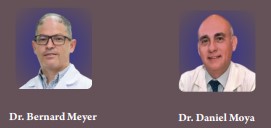
Clinical Study | Volume 2 | Issue 2 | JRS Jul – Dec 2022 | Page 13-16 | Bernard Meyer , Daniel Moya
DOI: 10.13107/jrs.2022.v02.i02.055

Author: Bernard Meyer [1], Daniel Moya [2]

[1] Orthopaedic Surgeon. Moinhos de Vento Hospital, Porto Alegre, RS, Brasil,
[2] Orthopaedic Surgeon. Hospital Británico de Buenos Aires, Argentina.

Address of Correspondence
Dr. Bernard Meyer, MD,
Orthopaedic Surgeon. Moinhos de Vento Hospital, Porto Alegre, RS, Brasil.
E-mail: bernardfabiomeyer@gmail.com


Abstract

Various treatments have been described for Morton’s neuroma. We compare the results of shock wave treatment with surgical neurectomy in a prospective series of 32 cases randomly assigned. In the group of patients treated with focused waves (17 cases), the percentage of good results was 70.6%, while in the operated patients (15 cases) it amounted to 93.2%. Poor results were found in 29.4% in shockwave group and 6.8 % in surgical group. Focused shock waves have a high, but lower success rate than surgery in the treatment of Morton’s neuromas. Nevertheless, due to their non-invasiveness and low chance of complications, they can be considered an option prior to minimally invasive and surgical techniques.

Keywords: Morton neuroma, shockwaves, neurectomy.


References:

1. Bhatia M, Thomson L. Morton’s neuroma – Current concepts review. J Clin Orthop Trauma. 2020 May-Jun;11(3):406-409. doi: 10.1016/j.jcot.2020.03.024. Epub 2020 Apr 10. PMID: 32405199; PMCID: PMC7211826.
2. Bennett G.L., Graham C.E., Mauldin D.M. Morton’s interdigital neuroma: a comprehensive treatment protocol. Foot Ankle Int. 1995;16(12):760–763. doi: 10.1177/107110079501601204.
3. Valisena S, Petri GJ, Ferrero A. Treatment of Morton’s neuroma: A systematic review. Foot Ankle Surg. 2018 Aug;24(4):271-281. doi: 10.1016/j.fas.2017.03.010. Epub 2017 Apr 5. PMID: 29409240.
4. Matthews BG, Hurn SE, Harding MP, Henry RA, Ware RS. The effectiveness of non-surgical interventions for common plantar digital compressive neuropathy (Morton’s neuroma): a systematic review and meta-analysis. J Foot Ankle Res. 2019 Feb 13;12:12. doi: 10.1186/s13047-019-0320-7. PMID: 30809275; PMCID: PMC6375221.
5. Thomson L, Aujla RS, Divall P, Bhatia M. Non-surgical treatments for Morton’s neuroma: A systematic review. Foot Ankle Surg. 2020 Oct;26(7):736-743. doi: 10.1016/j.fas.2019.09.009. Epub 2019 Nov 2. PMID: 31718949.
6. Markovic M, Crichton K, Read JW, Lam P, Slater HK. Effectiveness of Ultrasound-Guided Corticosteroid Injection in the Treatment of Morton’s Neuroma. Foot & Ankle International. 2008;29(5):483-487. doi:10.3113/FAI-2008-0483.
7. Lizano-Díez X, Ginés-Cespedosa A, Alentorn-Geli E, Pérez-Prieto D, González-Lucena G, Gamba C. et al.: Corticosteroid injection for the treatment of Morton’s neuroma: a prospective, double-blinded, randomized, placebo-controlled trial. Foot Ankle Int 2017; 38: 944–951.
8. Klontzas ME, Koltsakis E, Kakkos GA, Karantanas AH. Ultrasound-guided treatment of Morton’s neuroma. J Ultrason. 2021 Jun 7;21(85):e134-e138. doi: 10.15557/JoU.2021.0022. Epub 2021 Jun 18. PMID: 34258038; PMCID: PMC8264811.
9. Sofka CM, Adler RS, Ciavarra GA, Pavlov H. Ultrasound-guided interdigital neuroma injections: short-term clinical outcomes after a single percutaneous injection–preliminary results. HSS J. 2007 Feb;3(1):44-9. doi: 10.1007/s11420-006-9029-9. PMID: 18751769; PMCID: PMC2504098.
10. Diebold PF, Delagoutte JP. La neurolyse vraie dans le traitement du névrome de Morton [True neurolysis in the treatment of Morton’s neuroma]. Acta Orthop Belg. 1989;55(3):467-71. French. PMID: 2603689.
11. Fanucci E, Masala S, Fabiano S, Perugia D, Squillaci E, Varrucciu V, Simonetti G. Treatment of intermetatarsal Morton’s neuroma with alcohol injection under US guide: 10-month follow-up. Eur Radiol. 2004 Mar;14(3):514-8. doi: 10.1007/s00330-003-2057-7. Epub 2003 Oct 3. PMID: 14531002.
12. Gurdezi S., White T., Ramesh P. Alcohol injection for Morton’s neuroma: a five-year follow-up. Foot Ankle Int. 2013 doi: 10.1177/1071100713489555.
13. Deniz S, Purtuloglu T, Tekindur S, Cansız KH, Yetim M, Kılıckaya O, Senkal S, Bilgic S, Atim A, Kurt E. Ultrasound-guided pulsed radio frequency treatment in Morton’s neuroma. J Am Podiatr Med Assoc. 2015 Jul;105(4):302-6. doi: 10.7547/13-128.1. Epub 2015 May 6. PMID: 25945935.
14. Shah R, Ahmad M, Hanu-Cernat D, Choudhary S. Ultrasound-guided radiofrequency ablation for treatment of Morton’s neuroma: initial experience. Clin Radiol. 2019 Oct;74(10):815.e9-815.e13. doi: 10.1016/j.crad.2019.07.002. Epub 2019 Aug 10. PMID: 31409448.
15. Lee K, Hwang IY, Ryu CH, Lee JW, Kang SW. Ultrasound-Guided Hyaluronic Acid Injection for the Management of Morton’s Neuroma. Foot Ankle Int. 2018 Feb;39(2):201-204. doi: 10.1177/1071100717739578. Epub 2017 Nov 20. PMID: 29153007.
16. Pace A, Scammell B, Dhar S. The outcome of Morton’s neurectomy in the treatment of metatarsalgia. Int Orthop. 2010 Apr;34(4):511-5. doi: 10.1007/s00264-009-0812-3. Epub 2009 May 30. PMID: 19484237; PMCID: PMC2903131.
17. Kasparek M, Schneider W. Surgical treatment of Morton’s neuroma: clinical results after open excision. Int Orthop. 2013 Sep;37(9):1857-61. doi: 10.1007/s00264-013-2002-6. Epub 2013 Jul 13. PMID: 23851648; PMCID: PMC3764278.
18. Xu W, Zhang N, Li Z, Wang Y, Li X, Wang Y, Si H, Hu Y. Plantar and dorsal approaches for excision of morton’s neuroma: a comparison study. BMC Musculoskelet Disord. 2022 Oct 6;23(1):898. doi: 10.1186/s12891-022-05858-w. PMID: 36203146; PMCID: PMC9535891.
19. Akermark C, Saartok T, Zuber Z. Aprospective 2-year follow-up study of plantar incisions in the treatment of primary intermetatarsal
neuromas (Morton’s neuroma) Foot Ankle Surg. 2008;14:67–73. doi: 10.1016/j.fas.2007.10.004.
20. Akermark C, Crone H, Skoog A, Weidenhielm L. A prospective randomized controlled trial of plantar versus dorsal incisions for operative treatment of primary Morton’s neuroma. Foot Ankle Int. 2013 Sep;34(9):1198-204. doi: 10.1177/1071100713484300. Epub 2013 Apr 5. PMID: 23564425.
21. Sato G, Ferreira GF, Sevilla D, Oliveira CN, Lewis TL, Dinato MCME, Pereira Filho MV. Treatment of Morton’s neuroma with minimally invasive distal metatarsal metaphyseal osteotomy (DMMO) and percutaneous release of the deep transverse metatarsal ligament (DTML): a case series with minimum two-year follow-up. Int Orthop. 2022 Dec;46(12):2829-2835. doi: 10.1007/s00264-022-05557-0. Epub 2022 Aug 29. PMID: 36031662.
22. Bauer T, Gaumetou E, Klouche S, Hardy P, Maffulli N. Metatarsalgia and Morton’s Disease: Comparison of Outcomes Between Open Procedure and Neurectomy Versus Percutaneous Metatarsal Osteotomies and Ligament Release With a Minimum of 2 Years of Follow-Up. J Foot Ankle Surg. 2015 May-Jun;54(3):373-7. doi: 10.1053/j.jfas.2014.08.009. Epub 2014 Dec 4. PMID: 25481724.
23. Moya D, Ramón S, Schaden W, Wang CJ, Guiloff L, Cheng JH. The Role of Extracorporeal Shockwave Treatment in Musculoskeletal Disorders. J Bone Joint Surg Am. 2018 Feb 7;100(3):251-263. doi: 10.2106/JBJS.17.00661. PMID: 29406349.
24. Seok H, Kim SH, Lee SY, Park SW. Extracorporeal Shockwave Therapy in Patients with Morton’s Neuroma A Randomized, Placebo-Controlled Trial. J Am Podiatr Med Assoc. 2016 Mar;106(2):93-9. doi: 10.7547/14-131. PMID: 27031544.
25. Fridman R, Cain JD, Weil L Jr. Extracorporeal shockwave therapy for interdigital neuroma: a randomized, placebo-controlled, double-blind trial. J Am Podiatr Med Assoc. 2009 May-Jun;99(3):191-3. doi: 10.7547/0980191. PMID: 19448168.
26. Johnson, JE; Johnson, KA; Unni KK: Persistent pain after excision of interdigital neuroma. J. Bone Joint Surg. 70A:651 – 657,1988.
27. Biz C, Bonvicini B, Sciarretta G, Pendin M, Cecchetto G, Ruggieri P. Digital Ischemia after Ultrasound-Guided Alcohol Injection for Morton’s Syndrome: Case Report and Review of the Literature. J Clin Med. 2022 Oct 24;11(21):6263. doi: 10.3390/jcm11216263. PMID: 36362491; PMCID: PMC9657702.
28. Interventional procedure overview of radiofrequency ablation for symptomatic interdigital (Morton’s) neuroma. National institute for health and care excellence (NICE). https://www.nice.org.uk/guidance/ipg539/documents/radiofreque ncy-ablation-for-symptomatic-interdigital-mortons-neuromaoverview2#:~:text=ablation%20for%20symptomatic%20interdigital%20(Morton’s)%20neurom a,Interdigital%20(Morton’s)%20neuroma&text=In%20this%20procedure%2C%20a%20thin,nerve%20with%20radiofrequency%20heat20energy. Last accessed July 2022.
29. Womack JW, Richardson DR, Murphy GA, Richardson EG, Ishikawa SN. Long-term evaluation of interdigital Neuroma treated by surgical excision. Foot Ankle Int. 2008;29:574–577. doi: 10.3113/FAI.2008.0574.
30. Lorbach O, Kusma M, Pape D, Kohn D, Dienst M. Influence of deposit stage and failed ESWT on the surgical results of arthroscopic treatment of calcifying tendonitis of the shoulder, Knee Surg. Sports Traumatol. Arthrosc. 16 (5) (2008) 516e-521, http://dx.doi.org/10.1007/s00167-008-0507-0.


How to Cite this article: Meyer B, Moya D | Treatment of Morton’s neuroma with focused shock waves Comparison between shock waves and surgery. | Journal of Regenerative Science | Jul – Dec 2022; 2(2): 13-16.

[Abstract Text HTML] [Full Text PDF] [XML]


Use of shock waves in dental medicine

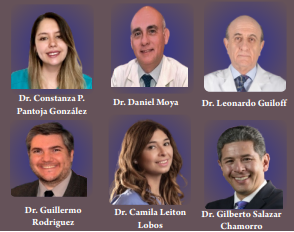
Literature Review | Volume 2 | Issue 2 | JRS Jul – Dec 2022 | Page 17-20 | Constanza P. Pantoja González, Daniel Moya, Leonardo Guiloff, Guillermo Rodríguez, Camila Leiton Lobos, Gilberto Salazar Chamorro
DOI: 10.13107/jrs.2022.v02.i02.57

Author: Constanza P. Pantoja González [1], Daniel Moya [2], Leonardo Guiloff [3], Guillermo Rodríguez [4], Camila Leiton Lobos [5], Gilberto Salazar Chamorro [6]

[1] Dental Surgeon, Diego Portales University, Chile.
[2] Department of Orthopaedics, Hospital Británico de Buenos Aires, Argentina,

[3] Surgeon, Specialist in Traumatology and Orthopedics, University of Chile, Founding Partner and Past President of ACHITOC and ONLAT, Chile,
[4] Dental Surgeon, University of Buenos Aires; Endodontics Specialist, Maimonides University, Bs As; , Specialist in Oral Implantology, Catholic University of Argentina, Buenos Aires.

[5] Dental Surgeon, Diego Portales University, Specialist in Oral Maxillofacial Implantology Andrés Bello University, Chile,
[6] Dental Surgeon, Pontifical Javierana University, Colombia. Specialist in Oral Maxillofacial Implantology, Professor at San Sebastián University, Chile.

Address of Correspondence
Dr. Constanza P. Pantoja Gonzalez, DDS,

Dental Surgeon, Diego Portales University, Chile.
E-mail: coni.panto@gmail.com


References:

1. Moya D, Ramón S, Schaden W, Wang CJ, Guiloff L, Cheng JH. The Role of Extracorporeal Shockwave Treatment in Musculoskeletal Disorders. J Bone Joint Surg Am. 2018 Feb 7;100(3):251-263. doi: 10.2106/JBJS.17.00661. PMID: 29406349.
2. Olivares A, Schuh CMAP, Aguayo S. Extracorporeal Shockwave Treatment for Managing Biofilm-mediated Infections in Dentistry: The Current Knowledge and Future Perspectives. Journal of Regenerative Science. Jan – Jun 2022; 2(1): 22-26.
3. Alshihri A. Translational Applications of Extracorporeal Shock Waves in Dental Medicine: A Literature Review. Biomedicines. 2022;10(4):902. https://doi.org/10.3390/biomedicines10040902
4. Amengual-Penafiel L, Jara-Sepúlveda MC, Parada-Pozas L, Marchesani-Carrasco F, Cartes-Velásquez R, Galdames-Gutiérrez B. Immunomodulation of Osseointegration Through Extracorporeal Shock Wave Therapy. Dent Hypotheses 2018;9:45-50.
5. Goyal, Eva, et al. “Extra Corporeal Shock Wave – A New Wave of Therapy.” Dental Journal of Advance Studies. 2015; 3 (3): 129–34, https://doi.org/10.1055/s-0038-1672027.
6. Li X, Chen M, Li L, Qing H, Zhu Z. Extracorporeal shock wave therapy: a potential adjuvant treatment for peri-implantitis. Med Hypotheses. 2010 Jan;74(1):120-2. doi: 10.1016/j.mehy.2009.07.025. Epub 2009 Aug 8. PMID: 19666209.
7. Morandi P, Corbella S, Cavalli N, Francetti L. Applicazioni delle onde d’urto in odontoiatria: revisione narrativa. Dental Cadmos. Oct 2019; 87(8). doi: 10.19256/d.cadmos.08.2019.04
8. Show S, Kumar Giri P, Debnath T, Ashit Kumar Pal A. Extracorporeal shockwave therapy… “unveiling new horizons in periodontology”- an overview. J Indian Dental Assoc. 2020; 36 (1): 44-47.
9. Song WP, Ma XH, Sun YX, Zhang L, Yao Y, Hao XY, Zeng YJ. Extracorporeal shock wave therapy (ESWT) may be helpful in the osseointegration of dental implants: A hypothesis. Medical Hypotheses. 2020; 145. https://doi.org/10.1016/j.mehy.2020.110294
10. Venkatesh Prabhuji ML, Khaleelahmed S, Vasudevalu S, Vinodhini K. Extracorporeal shock wave therapy in periodontics: Anew paradigm. J Indian Soc Periodontol. 2014 May;18(3):412-5. doi: 10.4103/0972-124X.134597. PMID: 25024562; PMCID: PMC4095641.
11. Goker F, Sansone V, Applefield RC, Taschieri S, Del Fabbro M. Clinical applications of shock waves in dentistry. J Biol Regul Homeost Agents. 2019 September-October;33(5):1591-1595. doi: 10.23812/19-15L. PMID: 31565915.
12. Özkan E, Özkan TH. Effects of Extracorporeal Shock Wave Therapy in The Maxillofacial Surgery Practice – A Systematic Review. International Journal of Human and Health Sciences. 2019; 3 (4): 186-195.
13. Elisetti N. Extracorporeal shock wave therapy (ESWT): An emerging treatment for peri-implantitis. Med Hypotheses. 2021 May;150:110565. doi: 10.1016/j.mehy.2021.110565. Epub 2021 Mar 23. PMID: 33799162.
14. Cai Z, Falkensammer F, Andrukhov O, Chen J, Mittermayr R, Rausch-Fan X. Effects of Shock Waves on Expression of IL-6, IL-8, MCP-1, and TNF-α Expression by Human Periodontal Ligament Fibroblasts: An In Vitro Study. Med Sci Monit. 2016 Mar 20;22:914-21. doi: 10.12659/msm.897507. PMID: 26994898; PMCID: PMC4805137.
15. Novak KF, Govindaswami M, Ebersole JL, Schaden W, House N, Novak MJ. Effects of low-energy shock waves on oral bacteria. J Dent Res. 2008 Oct;87(10):928-31. doi: 10.1177/154405910808701009. PMID: 18809745.
16. Olivares A, Schuh CMAP, Aguayo S. Inhibitory effect of FhESWT on Streptococcus Mutans biofilm formation in-vitro. 2022 IADR/APR General sesión. Final Presentation ID: 0942. https://iadr.abstractarchives.com/abstract/22iags-3722065/inhibitory-effect-of-fheswt-on-streptococcus-mutans-biofilm-formation-in-vitro Last accessed August 2022.
17. Altuntaş EE, Oztemur Z, Ozer H, Müderris S. Effect of extracorporeal shock waves on subcondylar mandibular fractures. J Craniofac Surg. 2012 Nov;23(6):1645-8.doi: 10.1097/SCS.0b013e31825e38a2. PMID: 23147295.
18. Atsawasuwan P, Chen Y, Ganjawalla K, Kelling AL, Evans CA. Extracorporeal shockwave treatment impedes tooth movement in rats. Head Face Med. 2018 Nov 12;14(1):24. doi: 10.1186/s13005-018-0181-5. PMID: 30419912; PMCID: PMC6233511.
19. Chen Y, Ganjawalla K, Oubaidin M, Kelling A, Evans C, Atsawasuwan P. Effect of Shockwave Therapy on Orthodontic Tooth Movement. 2015 IADR/AADR/CADR General Session (Boston, Massachusetts). Final Presentation ID: 3987https://iadr.abstractarchi ves.com/abstract/15iags-2104243/effect-of-shockwave-therapy-on-orthodontic-tooth-movement Last accessed August,2022.
20. Datey A, Thaha CSA, Patil SR, Gopalan J, Chakravortty D. Shockwave Therapy Efficiently Cures Multispecies Chronic Periodontitis in a Humanized Rat Model. Front Bioeng Biotechnol. 2019 Dec 13;7:382. doi: 10.3389/fbioe.2019.00382. PMID: 31911896; PMCID: PMC6923175.
21. Ginini JG, Maor G, Emodi O, Shilo D, Gabet Y, Aizenbud D, Rachmiel A. Effects of Extracorporeal Shock Wave Therapy on Distraction Osteogenesis in Rat Mandible. Plast Reconstr Surg. 2018 Dec;142(6):1501-1509. doi: 10.1097/PRS.0000000000004980. Erratum in: Plast Reconstr Surg. 2019 Feb;143(2):654. PMID: 30188470.
22. Göl EB, Özkan N, Bereket C, Önger ME. Extracorporeal Shock-Wave Therapy or Low-Level Laser Therapy: Which is More Effective in Bone Healing in Bisphosphonate Treatment? J Craniofac Surg. 2020 Oct;31(7):2043-2048. doi: 10.1097/SCS.0000000000006506. PMID:32371691.
23. Hazan-Molina H, Kaufman H, Reznick ZA, Aizenbud D. [Orthodontic tooth movement under extracorporeal shock wave therapy: the characteristics of the inflammatory reaction–a preliminary study]. Refuat Hapeh Vehashinayim (1993). 2011 Jul;28(3):55-60, 71. Hebrew. PMID: 21939106.
24. Hazan-Molina H, Kaufman H, Reznick ZA, Aizenbud D. Cytokine Concentration During Orthodontic Tooth Movement Under Shock Wave Therapy. 2012 Pan European Region Meeting (Helsinki, Finland). Poster session. https://iadr.abstractarchives.com/abstract/per12-167553/cytokine-concentration-during-orthodontic-tooth-movement-under-shock-wave-therapy Last accessed August 20,2022.
25. Hazan-Molina H, Reznick ZA, Kaufman H, Aizenbud D. Assessment of IL-1β and VEGF concentration in a rat model during orthodontic tooth movement and extracorporeal shock wave therapy. Archives of Oral Biology. 2013; 58 (2): 142-150.
26. Hazan-Molina H, Reznick AZ, Kaufman H, Aizenbud D. Periodontal cytokines profile under orthodontic force and extracorporeal shock wave stimuli in a rat model. J Periodontal Res. 2015 Jun;50(3):389-96. doi: 10.1111/jre.12218. Epub 2014 Jul 29. PMID: 25073624.
27. Hazan-Molina H, Aizenbud I, Kaufman H, Teich S, Aizenbud D. The Influence of Shockwave Therapy on Orthodontic Tooth Movement Induced in the Rat. Adv Exp Med Biol. 2016;878:57-65. doi: 10.1007/5584_2015_179. PMID: 26542601.
28. Hazan-Molina H, Gabet Y, Aizenbud D. Accelerated Orthodontic Tooth Movement – Fiction or Reality. 2016 IADR/PER Congress (Jerusalem, Israel) Final Presentation ID: 0070https://iadr.abstractarchives.com/abstract/per16-2530206/accelerated-orthodontic-tooth-movement–fiction-or-reality Last accessed August 2022.
29. Hazan-Molina H, Gabet Y, Aizenbud I, Aizenbud N, Aizenbud D. Orthodontic force and extracorporeal shock wave therapy: Assessment of orthodontic tooth movement and bone morphometry in a rat model. Arch Oral Biol. 2022 Feb;134:105327. doi: 10.1016/j.archoralbio.2021.105327. Epub 2021 Nov 29. PMID: 34891101.
30. Lai JP, Wang FS, Hung CM, Wang CJ, Huang CJ, Kuo YR. Extracorporeal shock wave accelerates consolidation in distraction osteogenesis of the rat mandible. J Trauma. 2010 Nov;69(5):1252-8. doi: 10.1097/TA.0b013e3181cbc7ac. PMID: 20404761.
31. Özkan E, Bereket MC, Önger ME, Polat AV. The Effect of Unfocused Extracorporeal Shock Wave Therapy on Bone Defect Healing in Diabetics. J Craniofac Surg. 2018 Jun;29(4):1081-1086. doi: 10.1097/SCS.0000000000004303. PMID: 29461364.
32. Özkan E, Bereket MC, Şenel E, Önger ME. Effect of Electrohydraulic Extracorporeal Shockwave Therapy on the Repair of Bone Defects Grafted With Particulate Allografts. J Craniofac Surg. 2019 Jun;30(4):1298-1302. doi: 10.1097/SCS.0000000000005213. PMID: 31166268.
33. Sathishkumar S, Meka A, Dawson D, House N, Schaden W, Novak MJ, Ebersole JL, Kesavalu L. Extracorporeal shock wave therapy induces alveolar bone regeneration. J Dent Res. 2008 Jul;87(7):687-91. doi: 10.1177/154405910808700703. PMID: 18573992.
34. Woodmansey K, White R, Rhodes S, Kramer P. Effects of Extracorporeal Shockwave Therapy: A Pilot Study Using a Rat Model. 2015 IADR/AADR/CADR General Session (Boston, Massachusetts). https://iadr.abstractarchives.com/abstract/15iags-2068595/effects-of-extracorporeal-shockwave-therapy-a-pilot-study-using-a-rat-model Last accessed August 2022.
35. Bereket C, Çakir-Özkan N, Önger ME, Arici S. The Effect of Different Doses of Extracorporeal Shock Waves on Experimental Model Mandibular Distraction. J Craniofac Surg. 2018 Sep;29(6):1666-1670. doi: 10.1097/SCS.0000000000004571. PMID: 29742568.
36. Demir O, Arici N. Dose-related effects of extracorporeal shock waves on orthodontic tooth movement in rabbits. Sci Rep. 2021 Feb 9;11(1):3405. doi: 10.1038/s41598-021-82997-5. PMID: 33564049; PMCID: PMC7873214.
37. Onger ME, Bereket C, Sener I, Ozkan N, Senel E, Polat AV. Is it possible to change of the duration of consolidation period in the distraction osteogenesis with the repetition of extracorporeal shock waves? Med Oral Patol Oral Cir Bucal. 2017 Mar 1;22(2):e251-e257. doi: 10.4317/medoral.21556. PMID: 28160590; PMCID: PMC5359710.
38. Senel E, Ozkan E, Bereket MC, Onger ME. The assessment of new bone formation induced by unfocused extracorporeal shock wave therapy applied on pre-surgical phase of distraction osteogenesis. Eur Oral Res. 2019 Sep;53(3):125-131. doi: 10.26650/eor.20190041. Epub 2019 Sep 1. PMID: 31579893; PMCID: PMC6761485.
39. Vares YE, Shtybel NV, Dudash AP. Does extracorporeal shock wave therapy leads to restitution of postoperative bone defects on mandible? an experimental study in rabbit model. Romanian Journal of Oral Rehabilitation. 2019; 11 (4): 234-241.
40. Ahmed EAE, Eldibany M M, Melek LF; Abdelnaby HM. Comparative study between the effect of shockwave therapy and low-intensity pulsed ultrasound (lipus) on bone healing of mandibular fractures (clinical & radiographic study). Alexandria Dental J. 2022;5,47,(1):Page 29-35.
41. Falkensammer F, Rausch-Fan X, Arnhart C, Krall C, Schaden W, Freudenthaler J Impact of extracorporeal shock-wave therapy on the stability of temporary anchorage devices in adults: A single-center, randomized, placebo-controlled clinical trial. American Journal of Orthodontics and Dentofacial Orthopedics. 2014; 146 (4):413- 422.https://doi.org/10.1016/j.ajodo.2014.06.008
42. Falkensammer F, Arnhart C, Krall C, Schaden W, Freudenthaler J, Bantleon HP. Impact of extracorporeal shock wave therapy (ESWT) on orthodontic tooth movement-a randomized clinical trial. Clin Oral Investig. 2014 Dec;18(9):2187-92. doi: 10.1007/s00784-014-1199-0. Epub 2014 Feb 19. PMID: 24549763.
43. Falkensammer F, Schaden W, Krall C, Freudenthaler J, Bantleon HP. Effect of extracorporeal shockwave therapy (ESWT) on pulpal blood flow after orthodontic treatment: a randomized clinical trial. Clin Oral Investig. 2016 Mar;20(2):373-9. doi: 10.1007/s00784-015-1525-1. Epub 2015 Jul 17. PMID: 26179985.
44. Falkensammer F, Rausch-Fan X, Schaden W, Kivaranovic D, Freudenthaler J. Impact of extracorporeal shockwave therapy on tooth mobility in adult orthodontic patients: a randomized single-center-placebo-controlled clinical trial. J Clin Periodontol. 2015 Mar;42(3):294-301. doi: 10.1111/jcpe.12373. Epub 2015 Feb 20. PMID: 25640577.
45. Pfaff JA, Boelck B, Bloch W, Nentwig GH. Growth Factors in Bone Marrow Blood of the Mandible With Application of Extracorporeal
Shock Wave Therapy. Implant Dent. 2016 Oct;25(5):606-12. doi: 10.1097/ID.0000000000000452. PMID: 27504532.
46. What is periodontitis? European Federation of Periodontology. https://www.efp.org/for-patients/what-is-periodontitis/#:~:text=Periodontitis%20is%20a%20gum%20disease, lead%20to%20other%20health%20problems. Last accessed August
2022.
47. Vestby LK, Grønseth T, Simm R, Nesse LL. Bacterial Biofilm and its Role in the Pathogenesis of Disease. Antibiotics (Basel). 2020 Feb
3;9(2):59. doi: 10.3390/antibiotics9020059. PMID: 32028684; PMCID: PMC7167820.
48. Hernández-Jiménez E, Del Campo R, Toledano V, Vallejo-Cremades MT, Muñoz A, Largo C, Arnalich F, García-Rio F, Cubillos-Zapata C, López-Collazo E. Biofilm vs. planktonic bacterial mode of growth: which do human macrophages prefer? Biochem Biophys Res Commun. 2013 Nov 29;441(4):947-52. doi: 0.1016/j.bbrc.2013.11.012. Epub 2013 Nov 14. PMID: 24239884.
49. Sharma D, Misba L, Khan AU. Antibiotics versus biofilm: an emerging battleground in microbial communities. Antimicrob Resist Infect Control. 2019 May 16;8:76. doi: 10.1186/s13756-019-0533-3. PMID: 31131107; PMCID: PMC6524306.
50. Prathapachandran J, Suresh N. Management of peri-implantitis. Dent Res J (Isfahan). 2012 Sep;9(5):516-21. doi: 10.4103/1735- 3327.104867. PMID: 23559913; PMCID: PMC3612185. 51. Astolfi V, Ríos-Carrasco B, Gil-Mur FJ, Ríos-Santos JV, Bullón B, Herrero-Climent M, Bullón P. Incidence of Peri-Implantitis and Relationship with Different Conditions: A Retrospective Study. Int J Environ Res Public Health. 2022 Mar 31;19(7):4147. doi: 10.3390/ijerph19074147. PMID: 35409826; PMCID: PMC8998347.
52. Guglielmotti MB, Olmedo DG, Cabrini RL. Research on implants and osseointegration. Periodontol 2000. 2019 Feb;79(1):178-189. doi: 10.1111/prd.12254. PMID: 30892769.
53. Ghannam MG, Alameddine H, Bordoni B. Anatomy, Head and Neck, Pulp (Tooth) [Updated 2022 Aug 8]. In: StatPearls [Internet]. Treasure Island (FL): StatPearls Publishing; 2022 Jan-. Available from: https://www.ncbi.nlm.nih.gov/books/NBK537112/ [Last accessed on Jul 2022].
54. “Orthodontics”. Britannica, The Editors of Encyclopaedia. 2018; Encyclopedia Britannica, 4 Jan. 2018, https://www.britannica.com/science/orthodontics. Last accessed August 2022].


How to Cite this article: Pantoja C, Moya D, Guiloff L, Rodríguez G, Leiton Lobos C, Salazar Chamorro G | Use of Shock Waves in Dental Medicine. | Journal of Regenerative Science | Jul – Dec 2022; 2(2): 17-20.

[Full Text HTML] [Full Text PDF] [XML]


Extracorporeal shock wave treatment in plantar fasciitis with an associated neuropathic component. How to optimize the result?

Case Report | Volume 2 | Issue 2 | JRS Jul – Dec 2022 | Page 21-23 | Lauro Schledorn de Camargo , Ricardo Kobayashi
DOI: 10.13107/jrs.2022.v02.i02.59

Author: Lauro Schledorn de Camargo [1], Ricardo Kobayashi [2]

[1] Orthopedic Surgeon at LC Clinic, Jundiai-SP Brazil, Brazil,
[2] Pain Center, Department of Neurology, University of São Paulo, Brazil.

Address of Correspondence
Dr. Lauro Schledorn de Camargo, MD,
Orthopedic Surgeon at LC Clinic, Jundiai-SP Brazil, Brazil.
E-mail: laurosch@hotmail.com


Abstract

Introduction: Current evidence supports the use of radial pressure wave and focused extracorporeal shock wave treatment (ESWT) for the treatment of chronic plantar fasciitis that does not improve with conservative treatment. Studies show that a quarter of plantar fasciitis may have an associated neuropathic component and the literature shows that neuropathic pain causes more intense pain and greater functional disability. However, there is a lack of literature on the results of ESWT in tendinopathies associated with the neuropathic pattern.
Case report: We report a case of plantar fasciitis with central sensitization and associated neuropathic component. At first, pregabalin 75mg twice a day was used, which improved the neuropathic pattern. After that, 3 sessions were performed with piezoelectric ESWT with energy of 0.12 mJ/mm2, 2000 impulses at a frequency of 8 Hz, once a week for three weeks. The patient was followed up for 3 months and had complete improvement of symptoms without functional limitation for activities of daily living.
Conclusion: This case report serves to draw attention to the importance of evaluating and treating the neuropathic pattern associated with tendinopathies in order to optimize the therapeutic result. However, randomized clinical trials are lacking to determine the real difference in results between using ESWT in nociceptive pain or in mixed pain with an associated neuropathic component.

Keywords: Chronic pain, plantar fasciitis, mixed pain, neuropathic pain, shockwaves.


References:

1. Moya D, Ramón S, Schaden W, Wang CJ, Guiloff L, Cheng JH. The Role of Extracorporeal Shockwave Treatment in Musculoskeletal Disorders. J Bone Joint Surg Am. 2018 Feb 7 ; 100 (3):251-263. doi:10.2106/JBJS.17.00661.
2. Schneider HP, Baca JM, Carpenter BB, Dayton PD, Fleischer AE, Sachs BD. American College of Foot and Ankle Surgeons Clinical Consensus Statement: Diagnosis and Treatment of Adult Acquired Infracalcaneal Heel Pain. J Foot Ankle Surg. 2018 Mar-Apr;57(2):370-381. doi: 10.1053/j.jfas.2017.10.018.
3. Wheeler PC. Neuropathic pain may be common in chronic lower limb tendinopathy: a prospective cohort study. Br J Pain. 2017 Feb;11(1):16-22. doi: 10.1177/2049463716680560.
4. Bouhassira D, Attal N, Alchaar H, Boureau F, Brochet B, Bruxelle J, Cunin G, Fermanian J, Ginies P, Grun-Overdyking A, Jafari-Schluep H, Lantéri-Minet M, Laurent B, Mick G, Serrie A, Valade D, Vicaut E. Comparison of pain syndromes associated with nervous or somatic lesions and development of a new neuropathic pain diagnostic questionnaire (Dn4). Pain. 2005 Mar;114(1-2):29-36. doi: 10.1016/j.pain.2004.12.010.
5. Santos JG, Brito JO, de Andrade DC, Kaziyama VM, Ferreira KA, Souza I, Teixeira MJ, Bouhassira D, Baptista AF. Translation to Portuguese and validation of the Douleur Neuropathique 4 questionnaire. J Pain. 2010 May;11(5):484-90. doi: 10.1016/j.jpain.2009.09.014.
6. Maki M, Ikoma K, Kido M, Hara Y, Sawada K, Ohashi S, Kubo T. Magnetic resonance imaging findings of chronic plantar fasciitis before and after extracorporeal shock wave therapy. Foot (Edinb). 2017 Dec;33:25-28. doi: 10.1016/j.foot.2017.10.002.
7. Wheeler PC. Up to a quarter of patients with certain chronic recalcitrant tendinopathies may have central sensitisation: a prospective cohort of more than 300 patients. Br J Pain. 2019 Aug;13(3):137-144. doi: 10.1177/2049463718800352.
8. Colloca L, Ludman T, Bouhassira D, Baron R, Dickenson AH, Yarnitsky D, Freeman R, Truini A, Attal N, Finnerup NB, Eccleston C, Kalso E, Bennett DL, Dworkin RH, Raja SN. Neuropathic pain. Nat Rev Dis Primers. 2017 Feb 16;3:17002. doi: 10.1038/nrdp.2017.2.
9. Attal N, Cruccu G, Baron R, Haanpää M, Hansson P, Jensen TS, Nurmikko T. EFNS guidelines on the pharmacological treatment of neuropathic pain: 2010 revision. Eur J Neurol. 2010 Sep;17(9):1113-e88. doi: 10.1111/j.1468-1331.2010.02999.x.
10. Finnerup NB, Attal N, Haroutounian S, McNicol E, Baron R, Dworkin RH, Gilron I, Haanpää M, Hansson P, Jensen TS, Kamerman PR, Lund K, Moore A, Raja SN, Rice AS, Rowbotham M, Sena E, Siddall P, Smith BH, Wallace M. Pharmacotherapy for neuropathic pain in adults: a systematic review and meta-analysis. Lancet Neurol. 2015 Feb;14(2):162-73. doi: 10.1016/S1474-4422(14)70251-0.
11. Gerdesmeyer L, Frey C, Vester J, Maier M, Weil L Jr, Weil L Sr, Russlies M, Stienstra J, Scurran B, Fedder K, Diehl P, Lohrer H, Henne M, Gollwitzer H. Radial extracorporeal shock wave therapy is safe and effective in the treatment of chronic recalcitrant plantar fasciitis: results of a confirmatory randomized placebo-controlled multicenter study. Am J Sports Med. 2008 Nov;36(11):2100-9. doi: 10.1177/0363546508324176.
12. Gollwitzer H, Saxena A, DiDomenico LA, Galli L, Bouché RT, Caminear DS, Fullem B, Vester JC, Horn C, Banke IJ, Burgkart R, Gerdesmeyer L. Clinically relevant effectiveness of focused extracorporeal shock wave therapy in the treatment of chronic plantar fasciitis: a randomized, controlled multicenter study. J Bone Joint Surg Am. 2015 May 6;97(9):701-8. doi: 10.2106/JBJS.M.01331.
13. Morrissey D, Cotchett M, Said J’Bari A, Prior T, Griffiths IB, Rathleff MS, Gulle H, Vicenzino B, Barton CJ. Management of plantar heel pain: a best practice guide informed by a systematic review, expert clinical reasoning and patient values. Br J Sports Med. 2021 Oct;55(19):1106-1118. doi: 10.1136/bjsports-2019-101970.


How to Cite this article: Camargo Lsd, Kobayashi R |Extracorporeal shock wave treatment in plantar fasciitis with an associated neuropathic component. How to optimize the result?. | Journal of Regenerative Science | Jul – Dec 2022; 2(2): 21-23.

[Full Text HTML] [Full Text PDF] [XML]


Photobiomodulation and Clinical Applications

Abstract  | Volume 2 | Issue 2 | JRS Jul – Dec 2022 | Page 24 | Josep Pous
DOI: 10.13107/jrs.2022.v02.i02.61

Author: Josep Pous [1]

[1] Medical Director, CEMATEC ( Centros de Medicina Avanzada y Tecnológica), Barcelona, Spain

Address of Correspondence
Dr. Josep Pous, (Md&PhD) Medical Director CEMATEC ( Centros de Medicina Avanzada y Tecnológica),
Barcelona, Spain Spain.
E-mail: jpous@cematec.org


Abstract

There are different denominations in the literature such as low level laser therapy (LLLT), low level light therapy (LLLT), low intensity light therapy, and high power laser, but now we must accept a scientific term “Photobiomodulation.” Membranes cells have receptors such as integrins, growth factors that cause changes in the cytoskeleton and also in the nucleus. Chromophores, such as hemoglobin and water, are photon receptors but at the level of the mitochondria the main acceptors are the cytochromes, as in photosynthesis they are the chloroplasts. The absorption of photons, eminently in cytochrome C, activates the oxidation-reduction mechanisms and the production of cellular energy as Adenosine-Triphosphate (ATP). Through mediators (AMPc, ROS, and Protein kinase) they cause changes in the nucleus, increasing cell mobility and protein synthesis, responsible for cell regeneration. The biological response to the oxidation-reduction mechanism with the release of nitric oxide and the increase in energy (ATP) is responsible for the improvement of pain and inflammation. The regenerative response to mediating cellular signals increases the organization of collagen in the vertebral discs, reduces acute inflammation (TNF alpha), improves traumatized muscle (TN kappa B), and induces osteoblast differentiation. The current musculoskeletal indications are discopathy, synovitis, arthritis, traumatized muscle, and others. Research is ongoing on the application in brain trauma, stroke, neurodegenerative diseases, anxiety, and autoimmune inflammatory processes.


How to Cite this article: Pous J | Photobiomodulation and Clinicals Applications. | Journal of Regenerative Science | Jul – Dec 2022; 2(2): 24.

[Full Text HTML] [Full Text PDF] [XML]


Tibial Stress Syndrome in Sport

Abstract  | Volume 2 | Issue 2 | JRS Jul – Dec 2022 | Page 25 | Santiago Gómez García
DOI: 10.13107/jrs.2022.v02.i02.63

Author: Santiago Gómez García [1]

[1] Orthopaedic Surgeon and Sports Medicine Physician, Unidad Médica del Instituto Nacional de la Seguridad Social.
Dirección Provincial. A Coruña, Spain.

Address of Correspondence
Dr. Santiago Gómez García, MD
Orthopaedic Surgeon and Sports Medicine Physician, A Coruña, Spain.
E-mail: sancubacfg@yahoo.es


Abstract

Medial tibial stress syndrome (MTSS), also known as shin splints or tibial periostitis, is characterized by pain in the middle and lower end of the tibia; the pain is usually elicited by practicing sports or other physical activities. It is a common cause of leg pain in athletes and militaries. Prolonged military marching and physical activity involving excess training of the lower limbs contribute to the stress reaction of the bone, as confirmed by imaging studies. This condition has been considered a precursor stage for stress fracture.
The criteria for diagnosis of MTSS were established by Yates and White.
Although the prognosis of MTSS is usually benign, it can evolve to chronicity and be disabling.
Optimal treatment for MTSS has yet to be established.
Extracorporeal shockwave treatment (ESWT) is a tool aimed at alleviating symptoms and shortening recovery time in MTSS. Three studies have shown ESWT combined with a specific exercise program to be effective for MTSS. Regarding the recovery time, one study showed that the ESWT group recovered in 59 days while the control group did so in 91 days, another study obtained results compatible with scores 1 and 2 on the Likert scale in 76%. of the patients in the ESWT versus 37% of the control group. A third study showed 82.6% excellent or good results in the ESWT group as opposed to 36.8% in the control group to the Roles and Maudsley scale. In addition, the literature has pointed out the efficacy of 1-3 ESWT sessions in this pathology.


How to Cite this article: García SG | Tibial Stress Syndrome in Sport. | Journal of Regenerative Science | Jul – Dec 2022; 2(2): 25.

[Full Text HTML] [Full Text PDF] [XML]


Treatment of Spasticity in Patients with Brain Damage with the Association of Focused Shock Waves and Botulinum Toxin

Abstract  | Volume 2 | Issue 2 | JRS Jul – Dec 2022 | Page 26 | Antonio Déniz Cáceres, Pedro Saavedra Santana, María Isabel Marrero Arencibia, Jaime Hernández Alemán ,Almudena Hernández
DOI: 10.13107/jrs.2022.v02.i02.65

Author: Antonio Déniz Cáceres [1], Pedro Saavedra Santana [2], María Isabel Marrero  Arencibia [3], Jaime Hernández Alemán [4], Almudena Hernández [4]

[1] Rehabilitation Service, Hospital Universitario de Gran Canaria Dr. Negrín, Spain.

[2] Department of Mathematics, Universidad de Las Palmas de Gran Canaria, Spain.

[3] Department of Biochemestry and Molecular Biology, Universidad de Las Palmas de Gran Canaria, Spain.

[4] Universidad de Las Palmas de Gran Canaria, Spain.

Address of Correspondence
Dr. Antonio Déniz Cáceres, MD, PhD,
Rehabilitation Service, Hospital Universitario de Gran Canaria Dr. Negrín, Spain.
E-mail: antonio.deniz@ulpgc.es


Abstract

Introduction: Spasticity is a common complication in patients with brain damage secondary to stroke and multiple sclerosis, generating
disability and reducing the quality of life. In cases of muscles spasticity, we usually use Botulinum toxin injections (BTI) associated with
physiotherapy. Extracorporeal shock wave therapy (ESWT) is a safe, effective, and non-invasive treatment in these patients. Both methods are highly effective but currently are applied separately. Scientific evidence of the combined use of both techniques is scarce. The aim of this study is to assess the results of the association of both treatments (ESWT and BTI). On spasticity in patients secondary to stroke or multiple sclerosis.
Materials and Methods: This is a prospective study, with 6-month follow-up, including 10 adult patients with stroke or multiple sclerosis. ESWT was added to the usual treatment with BTI weekly for 3 weeks. The patients received rehabilitation during the treatment period and during the follow-up period. For statistical analysis in each of the follow-up weeks, the markers analyzed (spasticity and gait speed) were summarized in medians, which were plotted as a weekly function and the paired data were compared with the Wilcoxon test. The data were analyzed with an statistical program version 3.6.1 (R Development Core Team, 2019).
Results and Conclusions: We observed a statistically significant improvement in spasticity that was correlated with an increase in walking speed. The effectiveness of the combined treatment was superior and lasted longer than BTI alone.
Keywords: Shockwaves, Spasticity, Brain damage, Botulinum Toxin


How to Cite this article: Deniz A, Saavedra P, Marrero I, Hernández J, Hernández A | Treatment of Spasticity in Patients with Brain Damage with the Association of Focused Shock Waves and Botulinum Toxin. | Journal of Regenerative Science | Jul – Dec 2022; 2(2): 26.

[Full Text HTML] [Full Text PDF] [XML]


2022 Chinese Expert Consensus Statement on the Management of Extracorporeal Shockwave Therapy in Musculoskeletal Disorders during Novel Coronavirus Pandemic Prevention and Control

Review Article | Volume 2 | Issue 1 | JRS Jan – Jun 2022 | Page 27-31 | Fuqiang Gao , Xiangwei Ma , Wei Sun , Zirong Li , Jike Lu

DOI: 10.13107/jrs.2022.v02.i01.41

Author: Fuqiang Gao [1,2], Xiangwei Ma [3], Wei Sun [1,4], Zirong Li [1,2], Jike Lu [5]

[1] Shockwave Center, Department of Orthopedics, China-Japan Friendship Hospital, Chaoyang, Beijing, China.

[2] Beijing Key Laboratory of Immune Inflammatory Disease, China-Japan Friendship Hospital, Chaoyang, Beijing, China.

[3] Department of Rehabilitation Medicine, China-Japan Friendship Hospital, Chaoyang, Beijing, China.

[4] Department of Orthopaedic Surgery, School of Medicine, University of Pennsylvania, Philadelphia, Pennsylvania, USA.

[5] Department of Orthopedics, Beijing United Family Hospital, Chaoyang, Beijing, China.

Address of Correspondence
Dr. Wei Sun, Shockwave Centers,
Department of Orthopedics, China-Japan Friendship Hospital, Chaoyang, Beijing, China.
E-mail: sun887@163.com


Abstract

Novel coronavirus pneumonia (corona virus disease 2019, [COVID-19]) is a novel respiratory infectious disease that has rapidly spread in many countries or regions around the world [1, 2, 3] . With the approval of the State Council, COVID-19 was included in the category B infectious diseases under the Law of the People’s People’s Republic of China on the Prevention and Control of Infectious Diseases, and the preventive and control measures for category A infectious diseases were adopted. Given the severity of the COVID-19 epidemic, the wide spread of transmission, and the human-to-human transmission, some patients with musculoskeletal disorders visiting hospitals and health care
workers engaged in medical shockwave technology are at potential risk of COVID-19 infection. The 2022 Chinese expert consensus statement on the Management of Musculoskeletal Disease Extracorporeal Shock Wave during the Prevention and Control of Novel Coronavirus Epidemic is formulated..

Keywords: Chinese expert consensus, Extracorporeal shockwave, Management, Musculoskeletal disorders, Novel coronavirus pandemic.


References:

1. Chang D, Lin M, Wei L, Xie L, Zhu G, Cruz CS, et al. Epidemiologic and clinical characteristics of novel coronavirus infections involving 13 patients outside Wuhan, China. JAMA2020;323:1092-3.
2. Chen N, Zhou M, Dong X, Qu J, Gong F, Han Y, et al. Epidemiological and clinical characteristics of 99 cases of 2019 novel coronavirus pneumonia in Wuhan, China: Adescriptive study. Lancet 2020;395:507-13.
3. Liu K, Fang YY, Deng Y, Liu W, Wang MF, Ma JP, et al. Clinical characteristics of novel coronavirus cases in tertiary hospitals in Hubei Province. Chin Med J Engl 2020;133:1025-31.
4. Riou J, Althaus CL. Pattern of early human-to-human transmission of Wuhan 2019 novel coronavirus (2019-nCoV), December 2019 to January 2020. Euro Surveill 2020;25:2000058.
5. Wölfel R, Corman VM, Guggemos W, Seilmaier M, Zange S, Müller MA, et al. Virological assessment of hospitalized patients with COVID-2019. Nature 2020;581:465-9.
6. General Office of the National Health Commission, Office of the State Administration of Traditional Chinese Medicine. Pneumonia Diagnosis and Treatment Program for Novel Coronavirus Infection. 9th ed. New Delhi: General Office of the National Health Commission; 2022. Available from: http://www.gov.cn/zhengce/zhengceku/2022-03/15/content_5679257.htm last accessed on 2022.
7. Wei Y, Lu Y, Xia L, Yuan X, Li G, Li X, et al. Analysis of 2019 novel coronavirus infection and clinical characteristics of outpatients: An epidemiological study from a fever clinic in Wuhan, China. J Med Virol 2020;92:2758-67.
8. Krishnan A, Hamilton JP, Alqahtani SA, Woreta TA. A narrative review of coronavirus disease 2019 (COVID-19): Clinical, epidemiological characteristics, and systemic manifestations. Intern Emerg Med 2021;16:815-30.
9. Zhang J, Zhang B, Ni X. Questions about the implementation of management specifications for environmental surface cleaning and disinfection in medical institutions. Chin J Hosp Infect Dis 2018;28:473-6.
10. Fathizadeh H, Maroufi P, Momen-Heravi M, Dao S, Köse Ş, Ganbarov K, et al. Protection and disinfection policies against SARS-CoV-2 (COVID-19). Infez Med 2020;28:185-91.
11. Bielecki M, Patel D, Hinkelbein J, Komorowski M, Kester J, Ebrahim S, et al. Air travel and COVID-19 prevention in the pandemic and peri-pandemic period: A narrative review. Travel Med Infect Dis 2021;39:101915.
12. Wu W, Guan H, Fang Z, Guo F, You H, Xiao J, et al. Standardized process of orthopedic diagnosis and treatment during the outbreak of novel coronavirus pneumonia Recommendation. Orthopedics 2020;11:93-9.
13. Wilder-Smith A, Freedman DO. Isolation, quarantine, social distancing and community containment: Pivotal role for old-style public health measures in the novel coronavirus (2019-nCoV) outbreak. J Travel Med 2020;27:taaa020.
14. Wong JS, Cheung KM. Impact of COVID-19 on orthopaedic and trauma service: An epidemiological study. J Bone Joint Surg Am 2020;102:e80.
15. Hirschmann MT, Hart A, Henckel J, Sadoghi P, Seil R, Mouton C. COVID-19 coronavirus: Recommended personal protective equipment for the orthopaedic and trauma surgeon. Knee Surg Sports Traumatol Arthrosc 2020;28:1690-8.

16. Wu S, Wang Y, Jin X, Tian J, Liu J, Mao Y. Environmental contamination by SARS-CoV-2 in a designated hospital for coronavirus disease 2019. Am J Infect Control 2020;48:910-4.
17. Tanaka MJ, Oh LS, Martin SD, Berkson EM. Telemedicine in the era of COVID-19: The virtual orthopaedic examination. J Bone Joint Surg Am 2020;102:e57.
18. Xie X, Zhong Z, Zhao W, Zheng C, Wang F, Liu J. Chest CT for typical coronavirus disease 2019 (COVID-19) pneumonia: Relationship to negative RT-PCR testing. Radiology 2020;296:E41-5.
19. Pan Y, Guan H, Zhou S, Wang Y, Li Q, Zhu T, et al. Initial CT findings and temporal changes in patients with the novel coronavirus pneumonia (2019-nCoV): Astudy of 63 patients in Wuhan, China. Eur Radiol 2020;30:3306-9.
20. Shockwave Medicine Professional Committee of China Research Hospital Association. Guidelines for extracorporeal shockwave therapy for musculoskeletal diseases in China. Chin J Med Front 2019;11:1-10.
21. Gao F, Sun W, Xing G. Interpretation of the latest diagnosis and treatment consensus of the International Society of Medical Shockwaves: Indications and contraindications of extracorporeal shockwave. Chin Med J 2017;97:2411-5.
22. Chinese Medical Association Physical Medicine and Rehabilitation Branch, Expert Consensus Group on Extracorporeal Shockwave Therapy for Musculoskeletal Diseases. Expert Consensus on Extracorporeal Shockwave Therapy for Musculoskeletal Diseases. Chin J Phys Med Rehabil 2019;41:481-7.


How to Cite this article: Gao F, Ma X, Sun W, Li Z, Lu J | 2022 Chinese Expert Consensus Statement on the Management of Extracorporeal Shockwave Therapy in Musculoskeletal Disorders during Novel Coronavirus Pandemic Prevention and Control. | Journal of Regenerative Science | Jan – Jun 2022; 2(1): 27-31.

[Full Text HTML] [Full Text PDF] [XML]


Shock Waves in Scaphoid Pseudarthrosis: A Case Series

Technical | Volume 2 | Issue 1 | JRS Jan – Jun 2022 | Page 39-42 | Paul German Terán1, Fidel Ernesto Cayon1, Estefania Anabel Lozada1, Alvaro Santiago Le Mari2

DOI: 10.13107/jrs.2022.v02.i01.47

Author: Paul German Terán [1], Fidel Ernesto Cayon [1], Estefania Anabel Lozada [1], Alvaro Santiago Le Marie [2]

[1] Department of Traumatology and Orthopedics, Orthopedic Specialties Center, Quito, Ecuador.

[2] Department of General and Laparoscopic Surgery, Universidad Internacional del Ecuador, Quito, Ecuador.

Address of Correspondence
Dr. Paul German Terán,
Department of Traumatology and Orthopedics, Orthopedic Specialties Center, Quito, Ecuador.
E-mail: paulteranmd@gmail.com


Abstract

Scaphoid fracture accounts for 60% of carpal fractures. The mechanism of fracture occurs after a fall with the hand extended, in pronation and radial or ulnar deviation in addition to the importance, they gain for their frequency; clinically, their problem lies in the high possibility of non-consolidation, due to the type of vascularization that it has, fractures located mainly in the waist and in the proximal pole are a high-risk factor. Most of the up-to-date papers available confirm a positive outcome of the use of focused extracorporeal shock wave therapy (ESWT-F) in pseudarthrosis. According to the literature, the success rate is between 50% and 91%. Complications when ESWT-F are performed by qualified personnel and following the standards established by international scientific organizations, are limited to petechiae and local hematomas having as a requirement, to be performed by trained personnel. This manuscript will discuss a series of cases treated in a certified center for the application of Focal Shock Waves between 2018 and 2021 to patients with scaphoid fracture with a diagnosis of Fracture Consolidation Delay and pseudarthrosis of scaphoids, which subjected to treatment with high-intensity focal shock waves under ultrasound guidance. We analyzed six male patients with an average age of 31.3 years who were treated with ESWT-F. About 33.3% were taken to osteosynthesis as initial management without achieving satisfactory bone consolidation; hence, ESWT-F was performed. About 0% complications were reported, bone consolidation occurred in 100% of patients on average of 6 weeks from the last session of ESWT-F. The results were clinically evaluated, where 100% of patients manifested a decrease in pain by an average of 75% at 2 weeks of the last session of ESWT-F and 100% at 12 weeks. In the imaging evaluation, the six patients (100%) showed signs of bone consolidation in the complete radiological assessment at 12 weeks and the Disabilities of the Arm, Shoulder, and Hand scale applied revealed improvement in their functional capacity.

Keywords: Scaphoid non-union, Delayed union, Extracorporeal shockwave therapy, Extracorporeal shock wave therapy, Pseudarthrosis, Disabilities of the arm, shoulder and hand


References:

1. Reigstad O, Thorkildsen R, Grimsgaard C, Melhuus K, Rokkum M. Examination and treatment of scaphoid fractures and pseudarthrosis. Tidsskr Nor Laegeforen 2015;135:1138-42.
2. Hernández PA, Arrieta DE, Lee Ruiz LS. Generalities of scaphoid fractures. Rev Med Sin 2020;5:e595.
3. Carreño F, Osma J. Orthopedics and Traumatology. Vol. 30. Amsterdam, Netherlands: Elsevier; 2016. p . 426-8. Available from: https://www.elsevier.es/es-revista-revista-colombiana-ortopedia-traumatologia-380-articulo-manguito-rotadores-epidemiologia-factores-riesgo-S0120884516300578. Last access on 2022.
4. Lee YM, Hwang ZO, Park JM, South YJ, Song SW. Double trapezia sign. Medicine (Baltimore) 2020;99:e22460.
5. Garcia AG. Fractures of the carpal scaphoid. Cir Cir 1953;21:199-206.
6. Valchanou VD, Michailov P. High energy shock waves in the treatment of delayed and nonunion of fractures. Int Orthop 1991;15:181-4.
7. Schleusser S, Song J, Stang FH, Mailaender P, Kraemer R, Kisch T. Blood flow in the scaphoid is improved by focused extracorporeal shock wave therapy. Clin Orthop Relat Res 2020;478:127-35.
8. Figures VJ, Azócar SC, Sanhueza FM, Cavalla AP, Liendo VR. Arthroscopic management of scaphoid pseudoarthrosis with hump deformity: Surgical technique and case series. Rev Chil Ortop Traumatol 2019;60:47-57.
9. Vázquez JM, Galindo JC. Delay of consolidation and pseudoarthrosis of the scaphoid. Medigr Artemis 2007;3:259-68.
10. Vergara EM. Vascularized bone graft for the scaphoid. Investig Orig 2011;59:281.
11. Knobloch K. Extracorporeal magnetotransduction therapy (EMTT) and high-energetic focused extracorporeal shockwave therapy (ESWT) as bone stimulation therapy for metacarpal non-union a case report. Handchir Mikrochir Plast Chir 2021;53:82-6.

12. Fallnhauser T, Wilhelm P, Priol A, Windhofer C. High-energy extracorporeal shock wave therapy in delayed healing of scaphoid fractures and non-unions: Aretrospective analysis of the consolidation rate and factors relevant to therapy decisions. Handchir Microchir Plast Chir 2019;51:164-70.
13. Terán Vela P, Abarca WI, Martínez Asnalema D. Extracorporeal shock waves as a non-surgical treatment of delay of consolidation and non-bone union in diaphyseal fracture of the humerus associated with axonotmesis of the radial nerve, clinical case and literature review. Rev Ecu Med EUGENIO ESPEJO 2019;5:52-66.
14. Moya D, Ramón S, Guiloff L, Terán P, Eid J, Serrano E. Poor results and complications in the use of focal shock waves and radial pressure waves in musculoskeletal pathology. Rehabilitation 2021;4:13-18.
15. D’Agostino MC, Craig K, Tibalt E, Respizzi S. Shock wave as biological therapeutic tool: From mechanical stimulation to recovery and healing, through mechanotransduction. Int J Surg 2015;24:147-53.
16. Wang CJ, Cheng JH, Huang CC, Yip HK, Russo S. Extracorporeal shockwave therapy for avascular necrosis of femoral head. Int J Surg 2015;24:184-7.
17. Cheng JH, Wang CJ. Biological mechanism of shockwave in bone. Int J Surg 2015;24:143-6.
18. Wang CJ. Extracorporeal shockwave therapy in musculoskeletal disorders. J Orthop Surg Res 2012;7:11.
19. Balius R, Jimenez F. Interventional Ultrasound in Sports Traumatology. I. Madrid; 2015. p. 2-4.


How to Cite this article: Teran PG, Cayon FE, Lozada EA, Le Marie AS | Shock Waves in Scaphoid Pseudarthrosis: A Case Series. | Journal of Regenerative Science | Jan – Jun 2022; 2(1): 39-42.

[Full Text HTML] [Full Text PDF] [XML]


Treatment of a Femoral Shaft Non-union in a Pediatric Patient with Focused Shock Waves

Case Report | Volume 2 | Issue 1 | JRS Jan – Jun 2022 | Page 36-38 | Sebastián Senes1, Gerardo Staudacher2,  Santiago Iglesias1, Daniel Moya1, Rodolfo Goyeneche2

DOI: 10.13107/jrs.2022.v02.i01.45

Author: Sebastián Senes [1], Gerardo Staudacher [2],  Santiago Iglesias [1], Daniel Moya[1], Rodolfo Goyeneche [2]

[1] Servicio de Ortopedia y Traumatología, Hospital Británico de Buenos Aires, Argentina.

[2] Servicio de Ortopedia y Traumatología Infantil, Hospital de Pediatría Garrahan, Buenos Aires, Argentina.

Address of Correspondence
Dr. Daniel Moya, MD,
Hospital Británico de Buenos Aires, Perdriel 74, C1280 AEB, CABA, Argentina.
E-mail: drdanielmoya@yahoo.com.ar


Abstract

Non-unions of the femur in children are not frequent, but when they do occur they can be very difficult to manage. Shock wave therapy has emerged as an effective option for well-chosen pseudoarthrosis cases, however there are no reports of pediatric cases. We report a 12-year-old male patient with a history of pathological fracture due to mid-diaphyseal osteomyelitis of the right femur at 8 years of age. After several surgical procedures the integrity of the femur was restored but an area of non-unions persisted at mid-diaphyseal level. He was treated with 3 sessions of focused shock waves with an electrohydraulic generator. He presented a rapid consolidation, avoiding a new endomedullary nailing surgery with bone graft.

Focused shock waves may be a useful therapeutic option in children with nonunions in well-selected cases.

Keywords: Pediatric, Fracture non-unions, Shock Waves


References:

1. Lewallen RP, Peterson HA. Nonunion of long bone fractures in children: a review of 30 cases. J Pediatr Orthop. 1985 Mar-Apr;5(2):135-42. PMID: 3988913.

2. Rockwood, Charles A., Kaye E. Wilkins, James H. Beaty, and James R. Kasser. Rockwood and Wilkins’ Fractures in Children. Philadelphia: Lippincott Williams & Wilkins, 2001

3. Valchanou VD, Michailov P. High energy shock waves in the treatment of delayed and nonunion of fractures. Int Orthop. 1991;15(3):181-4. doi: 10.1007/BF00192289. PMID: 1743828.
4. Moya D, Ramón S, Schaden W, Wang CJ, Guiloff L, Cheng JH. The Role of Extracorporeal Shockwave Treatment in Musculoskeletal Disorders. J Bone Joint Surg Am. 2018 Feb 7;100(3):251-263. doi: 10.2106/JBJS.17.00661. PMID: 29406349.
5. Haupt G, Haupt A, Ekkernkamp A, Gerety B, Chvapil M. Influence of shock waves on fracture healing. Urology. 1992 Jun;39(6):529-32. doi: 10.1016/0090-4295(92)90009-l. PMID: 1615601.
6. Haupt G. Use of extracorporeal shock waves in the treatment of pseudarthrosis, tendinopathy and other orthopedic diseases. J Urol. 1997 Jul;158(1):4-11. doi: 10.1097/00005392-199707000-00003. PMID: 9186313.
7. Rompe JD, Rosendahl T, Schöllner C, Theis C. High-energy extracorporeal shock wave treatment of nonunions. Clin Orthop Relat Res. 2001 Jun;(387):102-11. doi: 10.1097/00003086-200106000-00014. PMID: 11400870.
8. Wang CJ, Chen HS, Chen CE, Yang KD. Treatment of nonunions of long bone fractures with shock waves. Clin Orthop Relat Res. 2001 Jun;(387):95-101. doi: 10.1097/00003086-200106000-00013. PMID: 11400901.
9. Schaden W, Fischer A, Sailler A. Extracorporeal shock wave therapy of nonunion or delayed osseous union. Clin Orthop Relat Res. 2001 Jun;(387):90-4. doi: 10.1097/00003086-200106000-00012. PMID: 11400900.
10. Elster EA, Stojadinovic A, Forsberg J, Shawen S, Andersen RC, Schaden W. Extracorporeal shock wave therapy for nonunion of the tibia. JOrthop Trauma. 2010 Mar; 24(3):133-41.doi: 10.1097/BOT.0b013e3181b26470. PMID: 20182248.
11. Kuo SJ, Su IC, Wang CJ, Ko JY. Extracorporeal shockwave therapy (ESWT) in the treatment of atrophic non-unions of femoral shaft fractures. Int J Surg. 2015 Dec;24(Pt B):131-4. doi: 10.1016/j.ijsu.2015.06.075. Epub 2015 Jul 9. PMID: 26166737.
12. Cacchio A, Giordano L, Colafarina O, Rompe JD, Tavernese E, Ioppolo F, Flamini S, Spacca G, Santilli V. Extracorporeal shock-wave therapy compared with surgery for hypertrophic long-bone nonunions. J Bone Joint Surg Am. 2009 Nov;91(11):2589-97. doi: 10.2106/JBJS.H.00841. Erratum in: J Bone Joint Surg Am. 2010 May;92(5):1241. PMID: 19884432.
13. Notarnicola A, Moretti L, Tafuri S, Gigliotti S, Russo S, Musci L, Moretti B. Extracorporeal shockwaves versus surgery in the treatment of pseudoarthrosis of the carpal scaphoid. Ultrasound Med Biol. 2010 Aug;36(8):1306-13. doi: 10.1016/j.ultrasmedbio.2010.05.004. PMID: 20691920.
14. Furia JP, Juliano PJ, Wade AM, Schaden W, Mittermayr R. Shock wave therapy compared with intramedullary screw fixation for nonunion of proximal fifth metatarsal metaphyseal-diaphyseal fractures. J Bone Joint Surg Am. 2010 Apr;92(4):846-54. doi: 10.2106/JBJS.I.00653. PMID: 20360507.
15. W. Schaden, M. Pusch, C. Schwab, R. Mittermayr, H. Kuderna. Grundlagen der extrakorporalen Stoßwellentherapie (ESWT) bei Pseudarthrosen. Quality for the treated and practitioners. 47th Annual Meeting, Salzburg, Austria, 2011.
16. International Society for Medical Shockwave Treatment. Indications. https://www.shockwavetherapy.org/about-eswt/indications/ Last Access, June 15th,2022.


How to Cite this article: Senes S, Staudacher G, Iglesias S, Moya D, Goyeneche R | Treatment of a femoral shaft non-union in a pediatric patient with focused shock waves | Journal of Regenerative Science | Jan – Jun 2022; 2(1): 36-38.

[Full Text HTML] [Full Text PDF] [XML]