
Guidelines for High-energy Focused Shock Wave Therapy in Non-traumatic Osteonecrosis of the Femoral Head in Adults (2025 Edition)
Original Article | Vol 5 | Issue 2 | July-December 2025 | page: 2-12 | Tianyang Liu, Wei Sun, Fuqiang Gao
DOI: https://doi.org/10.13107/jrs.2025.v05.i02.171
Open Access License: CC BY-NC 4.0
Copyright Statement: Copyright © 2025; The Author(s).
Submitted Date: 05 Aug 2025, Review Date: 23 Sep 2025, Accepted Date: 09 Nov 2025 & Published: 30 Dec 2025
Author: Tianyang Liu [1], Wei Sun [2], Fuqiang Gao [1]
[1] Department of Orthopedics, Osteonecrosis and Hip Dysplasia Hip Preservation Center, China-Japan Friendship Hospital, Beijing, China.
[2] Department of Orthopaedic Surgery, Perelman School of Medicine, University of Pennsylvania, USA.
Address of Correspondence
Dr. Fuqiang Gao,
Department of Orthopedics, Osteonecrosis and Hip Dysplasia Hip Preservation Center, China-Japan Friendship Hospital, Beijing, China.
E-mail: gaofuqiang@bjmu.edu.cn/gaofuqiang@hsc.pku.edu.cn
Abstract
Non-traumatic osteonecrosis of the femoral head (NONFH) is a common and refractory orthopedic disease that leads to disability and is a frequent cause of hip joint dysfunction and pain. This condition imposes a significant burden on patients, their families, and society. Extracorporeal shock wave therapy (ESWT) is a non-invasive, safe, and effective treatment that has been widely used in the clinical management of musculoskeletal diseases, including NONFH. However, the current application of ESWT for NONFH lacks a unified consensus regarding treatment protocols and evaluation methods, limiting its widespread adoption. Consequently, developing standardized, scientific, and effective ESWT interventions for patients with early- and mid-stage NONFH remains a critical concern for clinicians. These guidelines have been developed under the organization of the Third Medical Center of the Chinese PLA General Hospital and the China–Japan Friendship Hospital, with contributions from the Shock Wave Medical Professional Committee of the Chinese Research Hospital Association and experts in ONFH and ESWT. It references the latest domestic and international literature, integrates domestic clinical experience and actual conditions, and employs the modified 2011 Oxford Centre for Evidence-Based Medicine (OCEBM) levels of evidence and grades of recommendation. Guidelines are developed under the guidance of the WHO Handbook for Guideline Development (2014 Edition) and the Chinese Principles for the Development and Revision of Clinical Guidelines (2022 Edition). The Appraisal of Guidelines for Research and Evaluation II (AGREE II), Reporting Items for Practice Guidelines in Healthcare, and the Appraisal of Guidelines for Research and Evaluation in China (AGREE-China) were also referenced for evaluation. Nine clinical questions of utmost concern to physicians were selected, leading to the formation of nine evidence-based recommendations. These guidelines aim to provide constructive recommendations and a basis for the promotion and application of ESWT in the treatment of NONFH, thereby enhancing the scientific rigor and standardization of ESWT.
Keywords: Shockwave, Extracorporeal shock wave therapy, Osteonecrosis of the femoral head, Evidence-based medicine, Physical therapy
References:
1. Association Related To Circulation Osseous Chinese Microcirculation Society Csm-Arco. Expert consensus on clinical diagnosis and treatment technique of osteonecrosis of the femoral head (2022 version). Zhongguo Xiu Fu Chong Jian Wai Ke Za Zhi 2022;36:1319-26.
2. Zhao DW, Yu M, Hu K, Wang W, Yang L, Wang BJ, et al. Prevalence of nontraumatic osteonecrosis of the femoral head and its associated risk factors in the Chinese population: Results from a nationally representative survey. Chinese Med J (Engl) 2015;128:2843-50.
3. Xing Geng Yan, Bai Xiao Dong, Du Ming Kui, Li He, Ji Hui Ru, Jiang Chuan. Treatment of adult femoral head necrosis with extracorporeal shock wave therapy. Chin J Phys Med Rehabil 2003;25:472-4.
4. Chen Yaolong, Yang Kehu, Wang Xiaoqin, Kang deying, Zhan Siyan, Wang Jiyao, Liu Xiaoqing. Chinese principles for the development and revision of clinical guidelines (2022 Edition). Natl Med J China 2022;102:697-703.
5. Brouwers MC, Kho ME, Browman GP, Burgers JS, Cluzeau F, Feder G, et al. AGREE II: Advancing guideline development, reporting and evaluation in health care. CMAJ 2010;182:E839-42.
6. Chen Y, Yang K, Marušic A, Qaseem A, Meerpohl JJ, Flottorp S, et al. A reporting tool for practice guidelines in health care: The RIGHT statement. Ann Intern Med 2017;166:128-32.
7. Xing D, Wang Q, Yang Z, Hou Y, Zhang W, Chen Y, et al. Evidence-based guidelines for intra-articular injection in knee osteoarthritis: Formulating and evaluating research questions. Int J Rheum Dis 2018;21:1533-42.
8. OCEBM Levels of Evidence Working Group. The Oxford 2011 Levels of Evidence. Oxford Centre for Evidence-Based Medicine. Available from: https://www.cebm.net/index.aspx?o=5653 [Last accessed October 20, 2026].
9. Ficat RP. Idiopathic bone necrosis of the femoral head. Early diagnosis and treatment. J Bone Joint Surg Br 1985;67:3-9.
10. Steinberg ME, Hayken GD, Steinberg DR. A quantitative system for staging avascular necrosis. J Bone Joint Surg Br 1995;77:34-41.
11. Hines JT, Jo WL, Cui Q, Mont MA, Koo KH, Cheng EY, et al. Osteonecrosis of the femoral head: An updated review of ARCO on pathogenesis, staging and treatment. J Korean Med Sci 2021;36:e177.
12. Sun W, Li Z. Interpretation of the 2019 revised version of Association Research Circulation Osseous staging system of osteonecrosis of the femoral head. Chin J Orthop 2020;40:889-92.
13. Li Z, Liu Z, Sun W, Shi ZC, Wang BL. The classification of osteonecrosis of the femoral head based on the three pillars structure: China Japan Friendship Hospital (CJFH) classification. Chin J Orthop 2012;32:515-20.
14. Ding H, Wang S, Feng H, Xu Y, Yan J, Duan X, et al. Clinical efficacy of individual extracorporeal shockwave treatment. Orthopade 2019;48:610-7.
15. Wang S. The Study of Extracorporeal Shockwave Treatment Effect for Early Necrosis of the Femoral Head by MRI Three-Dimensional Reconstruction Evaluation. China: Hebei Medical University; 2016.
16. Xing G, Xu Y, Geng H, Zhang H. Advances in extracorporeal shock wave therapy for bone tissue diseases. Med Philos 2018;39:7-10.
17. Xing G. The past, present and future of shockwave medicine. Chin J Front Med Sci 2014;6:1-2.
18. Xing G. Extracorporeal Shock Wave Therapy for Musculoskeletal Disorders. 1st ed. China: People’s Military Medical Press; 2007.
19. Shock Wave Medical Professional Committee of Chinese Research Hospital Association. Chinese guidelines for extracorporeal shock wave therapy for bone and muscle Diseases (2023 edition). Chin J Front Med Sci 2023;15:1-20.
20. Loske AM. Medical and Biomedical Applications of Shock Waves. Berlin: Springer International Publishing; 2017.
21. Auersperg V, Trieb K. Extracorporeal shock wave therapy: An update. EFORT Open Rev 2020;5:584-92.
22. Moya D, Ramón S, Schaden W, Wang CJ, Guiloff L, Cheng JH. The role of extracorporeal shockwave treatment in musculoskeletal disorders. J Bone Joint Surg Am 2018;100:251-63.
23. Haupt G. Use of extracorporeal shock waves in the treatment of pseudarthrosis, tendinopathy and other orthopedic diseases. J Urol 1997;158:4-11.
24. Sun W, Li Z. Extracorporeal shockwave therapy for osteonecrosis of femoral head: Traps and challenges. Zhongguo Xiu Fu Chong Jian Wai Ke Za Zhi 2019;33:659-61.
25. Császár NB, Angstman NB, Milz S, Sprecher CM, Kobel P, Farhat M, et al. Radial shock wave devices generate cavitation. PLoS One 2015;10:e0140541.
26. Hausdorf J, Lutz A, Mayer-Wagner S, Birkenmaier C, Jansson V, Maier M. Shock wave therapy for femoral head necrosis-Pressure measurements inside the femoral head. J Biomech 2010;43:2065-9.
27. d’Agostino MC, Craig K, Tibalt E, Respizzi S. Shock wave as biological therapeutic tool: From mechanical stimulation to recovery and healing, through mechanotransduction. Int J Surg 2015;24:147-53.
28. Jiang L, Zhang X, Ji Y, Shen X, Zhang F. Effect of a combination of alendronate sodium and radial shock wave on hemorheology and degree of pain in patients with femoral head necrosis. Trop J Pharm Res 2024;23:969-75.
29. Mei J, Pang L, Jiang Z. The effect of extracorporeal shock wave on osteonecrosis of femoral head: A systematic review and meta-analysis. Phys Sportsmed 2022;50:280-8.
30. Tan H, Tang P, Chai H, Ma W, Cao Y, Lin B, et al. Extracorporeal shock wave therapy with imaging examination for early osteonecrosis of the femoral head: A systematic review. Int J Surg 2025;111:1144-53.
31. Alkhawashki HM, Al-Boukai AA, Al-Harbi MS, Al-Rumaih MH, Al-Khawashki MH. The use of extracorporeal shock wave therapy (ESWT) in treating osteonecrosis of the femoral head (AVNFH): A retrospective study. Int Orthop 2023;47:2953-60.
32. Shi L, Yang X, Wang P, Ma X, Li D, Wu X, et al. Quantitative magnetic resonance imaging of femoral head articular cartilage change in patients with hip osteonecrosis treated with extracorporeal shock wave therapy. Int J Clin Pract 2022;2022:8609868.
33. Wang CJ, Wang FS, Yang KD, Huang CC, Lee MS, Chan YS, et al. Treatment of osteonecrosis of the hip: Comparison of extracorporeal shockwave with shockwave and alendronate. Arch Orthop Trauma Surg 2008;128:901-8.
34. Liu HJ, Wang QY, Niu CL, Wang GS, Huang GY. Clinical application study of multiple small-diameter drilling combined with extracorporeal shock wave therapy (ESWT) under C-arm positioning in the treatment of early femoral head necrosis. Zhongguo Gu Shang 2023;36:1014-20.
35. Zhai S, Wu R, Zhao J, Huang W, Hu W, Huang W. Effectiveness of various interventions for non-traumatic osteonecrosis: A pairwise and network meta-analysis. Front Endocrinol (Lausanne) 2024;15:1428125.
36. Zhao W, Gao Y, Zhang S, Liu Z, He L, Zhang D, et al. Extracorporeal shock wave therapy for bone marrow edema syndrome in patients with osteonecrosis of the femoral head: A retrospective cohort study. J Orthop Surg Res 2021;16:21.
37. Algarni AD, Al Moallem HM. Clinical and radiological outcomes of extracorporeal shock wave therapy in early-stage femoral head osteonecrosis. Adv Orthop 2018;2018:7410246.
38. Zhang Q, Liu L, Sun W, Gao F, Cheng L, Li Z. Extracorporeal shockwave therapy in osteonecrosis of femoral head: A systematic review of now available clinical evidences. Medicine (Baltimore) 2017;96:e5897.
39. Garcia TA, de Andrade AL, Von Keudell AG, Azevedo LP, Belangero WD. No dose response effect in shockwave therapy applied to bone conditions: A systematic review, meta-analysis and meta-regression. J Orthop 2024;49:90-101.
40. Wang J, Wang J, Zhang K, Wang Y, Bao X. Bayesian network meta-analysis of the effectiveness of various interventions for nontraumatic osteonecrosis of the femoral head. Biomed Res Int 2018;2018:2790163.
41. Wang CJ, Wang FS, Huang CC, Yang KD, Weng LH, Huang HY. Treatment for osteonecrosis of the femoral head: Comparison of extracorporeal shock waves with core decompression and bone-grafting. J Bone Joint Surg Am 2005;87:2380-7.
42. Goncharov EN, Koval OA, Nikolaevich Bezuglov E, Vetoshkin AA, Goncharov NG, Ramirez MD, et al. Conservative treatment in avascular necrosis of the femoral head: A systematic review. Med Sci (Basel) 2024;12:32.
43. Yang X, Shi L, Zhang T, Gao F, Sun W, Wang P, et al. High-energy focused extracorporeal shock wave prevents the occurrence of glucocorticoid-induced osteonecrosis of the femoral head: A prospective randomized controlled trial. J Orthop Translat 2022;36:145-51.
44. Luan S, Wang S, Lin C, Fan S, Liu C, Ma C, et al. Comparisons of ultrasound-guided platelet-rich plasma intra-articular injection and extracorporeal shock wave therapy in treating ARCO I-III symptomatic non-traumatic femoral head necrosis: A randomized controlled clinical trial. J Pain Res 2022;15:341-54.
45. Gao F, Sun W, Xing G. The interpretation on ESWT indications and contraindications of international society for medical shockwave treatment. Natl Med J China 2017;97:2411-5.
46. Liao CD, Xie GM, Tsauo JY, Chen HC, Liou TH. Efficacy of extracorporeal shock wave therapy for knee tendinopathies and other soft tissue disorders: A meta-analysis of randomized controlled trials. BMC Musculoskelet Disord 2018;19:278.
47. Wang CJ, Huang CC, Yip HK, Yang YJ. Dosage effects of extracorporeal shockwave therapy in early hip necrosis. Int J Surg 2016;35:179-86.
48. Abbas A, Khan Z, Veqar Z. Dose dependent effects of extracorporeal shockwave therapy on pain and function in osteonecrosis of femoral head: A systematic review. J Clin Orthop Trauma 2023;45:102275.
49. Xing G, Jing R, Li B, Wang Q. Effects of radial extracorporeal shock wave therapy by using ultrasonic versus pain-point orientation in treatment of soft tissue diseases in shoulders. Chin J Tissue Eng Res 2006;10:26-8.
50. Zhu JY, Yan J, Xiao J, Jia HG, Liang HJ, Xing GY. Effects of individual shock wave therapy vs celecoxib on hip pain caused by femoral head necrosis. World J Clin Cases 2023;11:1974-84.
51. Shock Wave Medical Professional Committee of Chinese Research Hospital Association. Chinese guidelines for extracorporeal shock wave therapy for bone and muscle diseases (2019 edition). Chin J Front Med Sci 2019;11:1-10.
52. Liu LH, Li ZR, Sun W, Wang YT, Gao FQ. Reliability and repeatability of the China-Japan friendship hospital typing classification for nontraumatic osteonecrosis of the femoral head. J Bone Joint Surg Am 2022;104:40-6.
53. Xing Gengyan, Liu Jianfeng, Liu yajun, Shi Bin, Zhao Zhe, Xu Zhuo, et al. Technical specifications for construction of shockwave therapy center. Chinese Reseach Hospital Association. July 25, 2024. T/CRHA 065-2024.
| How to Cite this article: XLiu T, Sun W, Gao F. Guidelines for High-energy Focused Shock Wave Therapy in Non-traumatic Osteonecrosis of the Femoral Head in Adults (2025 Edition). July-Decemnber 2025;5(2):2-12. |

[Article Text HTML] [Full Text PDF]
Efficacy and Safety of Icariin Capsules in Intervening Post-operative Bone Grafting for Hip Osteonecrosis in ARCO Stage II
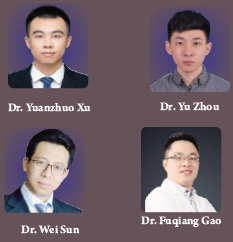
Original Article | Vol 5 | Issue 2 | July-December 2025 | page: 13-19 | Yuanzhuo Xu, Yu Zhou, Wei Sun, Fuqiang Gao
DOI: https://doi.org/10.13107/jrs.2025.v05.i02.173
Open Access License: CC BY-NC 4.0
Copyright Statement: Copyright © 2025; The Author(s).
Submitted Date: 19 Oct 2025, Review Date: 18 Nov 2025, Accepted Date: Nov 2025 & Published: 30 Dec 2025
Author: Yuanzhuo Xu [1], Yu Zhou1 [1,2,3], Wei Sun [4], Fuqiang Gao [1,2,3]
[1] Department of Orthopedic Surgery, China-Japan Friendship Hospital (Institute of Clinical Medical Sciences), Chinese Academy of Medical Sciences and Peking Union Medical College, Beijing, China,
[2] Department of Orthopaedic Surgery, Perelman School of Medicine, University of Pennsylvania, Philadelphia, USA,
[3] Center for Hip Preservation, Osteonecrosis and Developmental Dysplasia of the Hip, China-Japan Friendship Hospital, Beijing, China,
[4] Department of Orthopedic Surgery, Capital Medical University, China-Japan Friendship School of Clinical Medicine, Beijing, China.
Address of Correspondence
Dr. Wei Sun,
Department of Orthopaedic Surgery, Perelman School of Medicine, University of Pennsylvania, Philadelphia, USA.
E-mail: wei.sun@pennmedicine.upenn.edu
Abstract
Introduction: Both hip-preserving surgery and pharmacological therapy can effectively improve symptoms in patients with early-stage osteonecrosis of the femoral head (ONFH) and are expected to delay the need for total hip arthroplasty. However, the clinical efficacy of combining hip-preserving surgery with drug therapy has not yet been widely substantiated. Therefore, we conducted a randomized clinical trial to compare the clinical outcomes of impacted bone graft (IBG) combined with Icariin (ICA) versus IBG alone.
Purposes: The aim of this study was to clinically observe and evaluate the interventional therapeutic effect of ICA in patients with corticosteroid-induced ONFH following hip-preserving surgery, by comparing the femoral head collapse rate with a placebo control group, thereby providing a reliable basis for expanding the clinical application indications of ICA.
Materials and Methods: This was a prospective randomized clinical trial. Patients with early-stage steroid-induced ONFH (ARCO stage II) who underwent hip-preserving surgery were eligible. Between September 2021 and August 2022, we randomized 46 patients to receive either IBG plus ICA or IBG alone. At the 1-year follow-up, 87% of patients (20 out of 23) in both the IBG+ICA and IBG groups were available for assessment. The observed indicators included patient-reported outcome measures ([PROMs], including Harris Hip Score [HHS], the 36-item short form health survey [SF-36], and Visual Analog Scale [VAS]) and the progression of femoral head collapse on imaging, assessed preoperatively and within 1 year postoperatively. No significant differences were noted in baseline characteristics such as age, gender, affected side, and PROMs between the two groups.
Results: We found no statistically significant difference in the improvement of the HHS (4.7 ± 3.6 vs. 4.0 ± 3.5, respectively; mean difference 0.7 [95% confidence interval [CI] −1.5–3.0]; P = 0.505) or the VAS score (0.28 ± 0.29 vs. 0.14 ± 0.25, respectively; mean difference 0.14 [95% CI −0.03–0.32]; P = 0.099) between the IBG + ICA group and the IBG group at 3 months postoperatively. However, significant differences began to emerge by 6 months postoperatively (HHS at 6 months: 8.4 ± 3.0 vs. 5.4 ± 2.8, respectively; mean difference 3.0 [95% CI 1.1–4.8]; P = 0.003; HHS at 12 months: 10.8 ± 3.3 vs. 7.7 ± 3.4, respectively; mean difference 3.1 [95% CI 1.0–5.3]; P = 0.005; VAS at 6 months: 0.48 ± 0.27 vs. 0.30 ± 0.17, respectively; mean difference 0.18 [95% CI 0.03–0.32]; P = 0.021; VAS at 12 months: 0.84 ± 0.26 vs. 0.50 ± 0.25, respectively; mean difference 0.34 [95% CI 0.18–0.51]; P < 0.001). Furthermore, the IBG+ICA group demonstrated a significantly greater improvement in the SF-36 score at 12 months postoperatively compared to the IBG group (7.9 ± 3.1 vs. 3.5 ± 3.2, respectively; mean difference 4.4 [95% CI 2.4–6.4]; P < 0.001). No significant difference in the progression of femoral head collapse was observed between the two groups. Furthermore, no drug-related adverse reactions were reported.
Conclusion: Based on the 1-year follow-up of the two groups of patients and the analysis results, IBG + ICA did not bring more significant clinical symptom improvement to the patients compared to IBG at 3 months postoperatively. However, from 6 months postoperatively, the former showed better clinical efficacy. There was no significant difference in the impact on the progression of femoral head collapse between the two intervention methods within the 1-year follow-up period postoperatively. The safety of ICA during the perioperative period has been confirmed. For patients with severe pain or poor quality of life due to early ONFH, IBG+ICA treatment may be a good choice to improve the patient’s pain and quality of life.
Keywords: Icariin, Impacted bone graft, Hip osteonecrosis, Outcomes, Statistical Package for the Social Sciences
References:
1. Li Z, Shao W, Lv X, Wang B, Han L, Gong S, et al. Advances in experimental models of osteonecrosis of the femoral head. J Orthop Translat 2023;39:88-99.
2. Zhang J, Cao J, Liu Y, Zhao H. Advances in the pathogenesis of steroid-associated osteonecrosis of the femoral head. Biomolecules 2024;14:667.
3. Quan H, Ren C, He Y, Wang F, Dong S, Jiang H. Application of biomaterials in treating early osteonecrosis of the femoral head: Research progress and future perspectives. Acta Biomater 2023;164:15-73.
4. Zhao Y, Li S, Feng M, Zhang M, Liu Z, Yao Y, et al. Effects of puerarin-loaded tetrahedral framework nucleic acids on osteonecrosis of the femoral head. Small 2023;19:e2302326.
5. Chen CY, Rao SS, Yue T, Tan YJ, Yin H, Chen LJ, et al. Glucocorticoid-induced loss of beneficial gut bacterial extracellular vesicles is associated with the pathogenesis of osteonecrosis. Sci Adv 2022;8:eabg8335.
6. Huang C, Qing L, Xiao Y, Tang J, Wu P. Insight into steroid-induced ONFH: The molecular mechanism and function of epigenetic modification in mesenchymal stem cells. Biomolecules 2023;14:4.
7. Zhao D, Zhang F, Wang B, Liu B, Li L, Kim SY, et al. Guidelines for clinical diagnosis and treatment of osteonecrosis of the femoral head in adults (2019 version). J Orthop Translat 2020;21:100-10.
8. Wu CT, Kuo FC, Yen SH, Lin PC, Wang JW, Lee MS. Impaction bone grafting augmented with a wire coil by the lightbulb technique for osteonecrosis of the femoral head. J Arthroplasty 2022;37:2063-70.
9. Rosenwasser MP, Garino JP, Kiernan HA, Michelsen CB. Long term followup of thorough debridement and cancellous bone grafting of the femoral head for avascular necrosis. Clin Orthop Relat Res 1994;306:17-27.
10. Sun W, Li Z, Gao F, Shi Z, Zhang Q, Guo W. Recombinant human bone morphogenetic protein-2 in debridement and impacted bone graft for the treatment of femoral head osteonecrosis. PLoS One 2014;9:e100424.
11. Chu K, Wang Y, Liu B, Li Z, Wang Z, Zhang J, et al. Direct anterior approach versus posterior approach in total hip arthroplasty after ONFH with failed vascularized iliac crest bone grafting for hip preservation: A retrospective comparative study. BMC Musculoskelet Disord 2025;26:686.
12. Zhao D, Huang S, Lu F, Wang B, Yang L, Qin L, et al. Vascularized bone grafting fixed by biodegradable magnesium screw for treating osteonecrosis of the femoral head. Biomaterials 2016;81:84-92.
13. Lou P, Zhou G, Wei B, Deng X, Hou D. Bone grafting for femoral head necrosis in the past decade: A systematic review and network meta-analysis. Int J Surg 2023;109:412.
14. Xu J, Deng W, Zhu X, Han D, Zheng Y, Zheng Q. Potential efficacy and mechanisms of icariin for the animal model of osteonecrosis of the femoral head. Front Pharmacol 2025;16:1508971.
15. Sun ZB, Wang JW, Xiao H, Zhang QS, Kan WS, Mo FB, et al. Icariin may benefit the mesenchymal stem cells of patients with steroid-associated osteonecrosis by ABCB1-promoter demethylation: A preliminary study. Osteoporos Int 2015;26:187-97.
16. Yue J, Yu H, Liu P, Wen P, Zhang H, Guo W, et al. Preliminary study of icariin indicating prevention of steroid-induced osteonecrosis of femoral head by regulating abnormal expression of miRNA-335 and protecting the functions of bone microvascular endothelial cells in rats. Gene 2021;766:145128.
17. Huang Z, Cheng C, Cao B, Wang J, Wei H, Liu X, et al. Icariin protects against glucocorticoid-induced osteonecrosis of the femoral head in rats. Cell Physiol Biochem 2018;47:694-706.
18. Yu H, Yue J, Wang W, Liu P, Zuo W, Guo W, et al. Icariin promotes angiogenesis in glucocorticoid-induced osteonecrosis of femoral heads: In vitro and in vivo studies. J Cell Mol Med 2019;23:7320-30.
19. Yang X, Shi L, Li A, Gao F, Sun W, Li Z. Phase-contrast imaging with synchrotron hard X-ray reveals the effect of icariin on bone tissue morphology and microstructure in rabbits with early glucocorticoid-induced osteonecrosis of the femoral head. Front Cell Dev Biol 2023;11:1155532.
20. Harris WH. Traumatic arthritis of the hip after dislocation and acetabular fractures: Treatment by mold arthroplasty. An end-result study using a new method of result evaluation. J Bone Joint Surg Am 1969;51:737-55.
21. Ware JE Jr., Sherbourne CD. The MOS 36-item short-form health survey (SF-36). I. Conceptual framework and item selection. Med Care 1992;30:473-83.
22. Huskisson EC. Measurement of pain. The Lancet 1974;304:1127-31.
23. Xie X, Pei F, Wang H, Tan Z, Yang Z, Kang P. Icariin: A promising osteoinductive compound for repairing bone defect and osteonecrosis. J Biomater Appl 2015;30:290-9.
24. Zhang X, Li H, Chen F, Chen Y, Chai Y, Liao J, et al. Icariin regulates miR-23a-3p-mediated osteogenic differentiation of BMSCs via BMP-2/Smad5/Runx2 and WNT/β-catenin pathways in osteonecrosis of the femoral head. Saudi Pharm J 2021;29:1405-15.
| How to Cite this article: Xu Y, Sun W, Zhou Y, Gao F. Efficacy and safety of Icariin capsules in intervening post-operative bone grafting for hip osteonecrosis in ARCO stage II. Journal of Regenerative Science. July-Decemnber 2025;5(2):13-19. |
[Article Text HTML] [Full Text PDF]
All Roads Lead to Rome
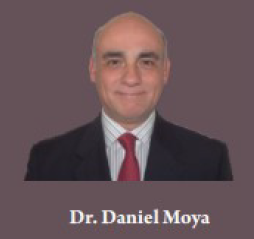
Editorial | Vol 5 | Issue 2 | July-December 2025 | page: 01 | Daniel Moya
DOI: https://doi.org/10.13107/jrs.2025.v05.i02.169
Open Access License: CC BY-NC 4.0
Copyright Statement: Copyright © 2025; The Author(s).
Submitted Date: 29 Jul 2025, Review Date: 25 Aug 2025, Accepted Date: 15 Nov 2025 & Published: 30 Dec 2025
Author: Daniel Moya [1]
[1] Department of Orthopaedics, Hospital Británico de Buenos Aires, Argentina
Address of Correspondence
Dr. Daniel Moya,
Department of Orthopaedics, Hospital Británico de Buenos Aires, Argentina.
E-mail: drdanielmoya@yahoo.com.ar
Editorial
The popular proverbial saying that all roads lead to Rome has a basis in reality. In 20 BC, Emperor Augustus built in the Roman forum a bronze monument covered in Bronze called “Milliarium Aureum,” which marked kilometer zero of the Roman roads. [1] The reference point was considered the origin of some 400 roads that extended for approximately 80,000 km, integrating the extent of the Roman Empire.
The first mention of this phrase is in the Middle Ages, in a text from 1175 that literally reads “Mille viae ducunt hominem per saecula Romam,” which translates to “A thousand roads lead a man to Rome forever.”[2] This road network had administrative, military, and commercial implications, but it also allowed a flow of people from different backgrounds that made the “Eternal City” the capital of the world for many centuries.
Unlike other great imperial capitals, Rome has managed to withstand the ups and downs of history and remain one of the international points of reference from a cultural, political, and economic point of view.
Therefore, it is no coincidence that Rome has been chosen as the venue for the next meeting of the International Federation of Shockwave Therapy.
On May 29th and 30th, 2026, with the organization of the International Federation of Shock Wave Therapy, the Societá Italiana di Terapia con Onde D’Urto and the Accademia di Medicina e Chirurgia Bioregenerativa, an international meeting on shockwave therapy and regenerative medicine will be held at the Ospedale Santo Spirito Monumental Complex. Located steps from the Vatican, the convention center stands in the oldest hospital in Europe, founded in Rome in the 8th century for Saxon pilgrims and rebuilt by Pope Innocent III in the 13th century [3].
The congress will have a very high academic level with the participation of world leaders from all corners of the planet.
Considering the scientific, tourist, and cultural attractions of the proposal, it is clear that by 2026, all roads of shock waves and regenerative medicine lead to Rome.
Information: comunicazione@glowagency.it
References:
1. Mari, Ζ. s.v. “Miliarium Aureum”. Lexicon Topographicum Urbis Romae, vol III. Rome; 1996. pp: 250-51.
2. Martínez MA. All roads lead to Rome (Omnes viae Romam ducunt). Antiquitatem: History of Greece and Rome. November 30, 2015. Available from: https://www.antiquitatem.com/en/all-roads-lead-to-rome/ Last accessed: 20 July 2025
3. The Santo Spirito in Saxia Museum Hub. [updated 2025 Oct 10]
Available from: https://www.santospiritoinsassia.com/en/
Last accessed: 20 July 2025
| How to Cite this article: Moya D. All roads lead to Rome. Journal of Regenerative Science. July-December 2025; 5(2): 01. |
[Article Text HTML] [Full Text PDF]
Exploratory Analysis of Pain and Function Improvement after Radial Pressure Wave Therapy in Plantar Fasciitis
Original Article | Vol 5 | Issue 1 | January-June 2025 | page: 08-13 | Armando Tonatiuh Ávila García, Ana Lilia Villagrana Rodríguez, Cinthia Citlalli Domínguez Navarrete, Karen Chacón Morales, Marco Antonio González López
DOI: https://doi.org/10.13107/jrs.2025.v05.i01.159
Open Access License: CC BY-NC 4.0
Copyright Statement: Copyright © 2025; The Author(s).
Submitted Date: 07 Mar 2025, Review Date: 30 Apr 2025, Accepted Date: 10 May 2025 & Published: 30 Jun 2025
Author: Armando Tonatiuh Ávila García [1], Ana Lilia Villagrana Rodríguez [1], Cinthia Citlalli Domínguez Navarrete [1], Karen Chacón Morales [1], Marco Antonio González López [1]
[1] Department of Physical Medicine and Rehabilitation, Hospital Civil de Guadalajara Fray Antonio Alcalde, Jalisco, México, 44280
Address of Correspondence
Dr. Armando Tonatiuh Ávila García,
Department of Physical Medicine and Rehabilitation, Hospital Civil de Guadalajara Fray Antonio Alcalde, Coronel Calderón 777, Guadalajara, Jalisco, México, 44280
E-mail: atavila@hcg.gob.mx
Abstract
Background: Plantar fasciitis (PF) is a common cause of heel pain, impairing functionality and quality of life. Radial pressure wave therapy (RPWT) is a well-known non-invasive option to treat PF, but evidence on factors influencing outcomes is limited.
Objectives: The objectives of the study are to explore associations between baseline patient characteristics and clinical outcomes and to evaluate the impact of RPWT on pain and functionality in PF patients.
Materials and Methods: This exploratory, pilot study included 19 PF patients treated with three RPWT sessions. Pain intensity (numerical pain rating scale [NPRS]) and functionality (World Health Organization Disability Assessment Schedule 2.0 [WHODAS 2.0]) were assessed pre- and post-treatment. Retrospective data on age, body mass index (BMI), and PF chronicity were analyzed. Statistical tests included Wilcoxon signed rank for outcome comparisons and Spearman’s correlation for associations.
Results: NPRS scores decreased significantly from 6.89 ± 1.88 to 4.42 ± 2.36 (P = 0.001), while WHODAS 2.0 scores improved from 47.60 ± 21.85 to 21.34 ± 20.30 (P = 0.001). Baseline NPRS scores showed a moderate, positive correlation with post-treatment NPRS scores (ρ = 0.561, P = 0.01). No significant correlations were found between post-treatment outcomes and BMI, age, or PF chronicity.
Conclusion: RPWT significantly reduced pain and improved functionality in PF patients, with baseline pain levels emerging as a factor associated with outcomes. These preliminary findings support RPWT as a promising treatment and highlight the need for larger, controlled studies to validate and expand these results.
Keywords: Pain intensity, Plantar fasciitis, Radial pressure wave therapy, Rehabilitation outcomes, Therapeutic effectiveness, Treatment predictors
References:
1. Rhim HC, Kwon J, Park J, Borg-Stein J, Tenforde AS. A systematic review of systematic reviews on the epidemiology, evaluation, and treatment of plantar fasciitis. Life (Basel) 2021;11:1287.
2. Sezaki Y, Ikeda N, Toyoshima S, Aoki A, Fukaya T, Yokoi Y, et al. Analgesic effect and efficacy rate of radial extracorporeal shock wave therapy for plantar fasciitis: A retrospective study. J Phys Ther Sci 2024;36:537-541. Erratum in: J Phys Ther Sci 2024;36:684.
3. Elía Martínez JM, Schmitt J, Tenías Burillo JM, Valero Inigo JC, Sánchez Ponce G, Peñalver Barrios L, García Fenollosa M, et al. Comparación de la terapia de ondas de choque extracorpóreas focales y presión radiales en la fascitis plantar [Comparison between extracorporeal shockwave therapy and radial pressure wave therapy in plantar fasciitis]. Rehabilitacion (Madr) 2020;54:11-8.
4. Salvioli S, Guidi M, Marcotulli G. The effectiveness of conservative, non-pharmacological treatment, of plantar heel pain: A systematic review with meta-analysis. Foot (Edinb) 2017;33:57-67.
5. Hedrick MR. The plantar aponeurosis. Foot Ankle Int 1996;17:646-9.
6. Simplicio CL, Purita J, Murrell W, Santos GS, Dos Santos RG, Lana JF. Extracorporeal shock wave therapy mechanisms in musculoskeletal regenerative medicine. J Clin Orthop Trauma 2020;11 Suppl 3:S309-18.
7. Zare Bidoki M, Vafaeei Nasab MR, Khatibi Aghda A. Comparison of high-intensity laser therapy with extracorporeal shock wave therapy in the treatment of patients with plantar fasciitis: A double-blind randomized clinical trial. Iran J Med Sci 2024;49:147-55.
8. Wang CJ. Extracorporeal shockwave therapy in musculoskeletal disorders. J Orthop Surg Res 2012;7:11.
9. Auersperg V, Trieb K. Extracorporeal shock wave therapy: An update. EFORT Open Rev 2020;5:584-92.
10. De la Corte-Rodríguez H, Román-Belmonte JM, Rodríguez-Damiani BA, Vázquez-Sasot A, Rodríguez-Merchán EC. Extracorporeal shock wave therapy for the treatment of musculoskeletal pain: A narrative review. Healthcare (Basel) 2023;11:2830.
11. Speed C. A systematic review of shockwave therapies in soft tissue conditions: Focusing on the evidence. Br J Sports Med 2014;48:1538-42.
12. Lee JY, Yoon K, Yi Y, Park CH, Lee JS, Seo KH, et al. Long-term outcome and factors affecting prognosis of extracorporeal shockwave therapy for chronic refractory achilles tendinopathy. Ann Rehabil Med 2017;41:42-50.
13. Guimarães JS, Arcanjo FL, Leporace G, Metsavaht LF, Conceição CS, Moreno MV, et al. Effects of therapeutic interventions on pain due to plantar fasciitis: A systematic review and meta-analysis. Clin Rehabil 2023;37:727-46.
14. Charles R, Fang L, Zhu R, Wang J. The effectiveness of shockwave therapy on patellar tendinopathy, Achilles tendinopathy, and plantar fasciitis: A systematic review and meta-analysis. Front Immunol 2023;14:1193835.
15. Schuitema D, Greve C, Postema K, Dekker R, Hijmans JM. Effectiveness of mechanical treatment for plantar fasciitis: A systematic review. J Sport Rehabil 2019;29:657-74.
16. Melese H, Alamer A, Getie K, Nigussie F, Ayhualem S. Extracorporeal shock wave therapy on pain and foot functions in subjects with chronic plantar fasciitis: Systematic review of randomized controlled trials. Disabil Rehabil 2022;44:5007-14.
17. Notarnicola A, Maccagnano G, Tafuri S, Fiore A, Margiotta C, Pesce V, et al. Prognostic factors of extracorporeal shock wave therapy for tendinopathies. Musculoskelet Surg 2016;100:53-61.
18. Li H, Xiong Y, Zhou W, Liu Y, Liu J, Xue H, et al. Shock-wave therapy improved outcome with plantar fasciitis: A meta-analysis of randomized controlled trials. Arch Orthop Trauma Surg 2019;139:1763-70.
19. Vahdatpour B, Sajadieh S, Bateni V, Karami M, Sajjadieh H. Extracorporeal shock wave therapy in patients with plantar fasciitis. A randomized, placebo-controlled trial with ultrasonographic and subjective outcome assessments. J Res Med Sci 2012;17:834-8.
20. Lai TW, Ma HL, Lee MS, Chen PM, Ku MC. Ultrasonography and clinical outcome comparison of extracorporeal shock wave therapy and corticosteroid injections for chronic plantar fasciitis: A randomized controlled trial. J Musculoskelet Neuronal Interact 2018;18:47-54.
21. Ulusoy A, Cerrahoglu L, Orguc S. Magnetic resonance imaging and clinical outcomes of laser therapy, ultrasound therapy, and extracorporeal shock wave therapy for treatment of plantar fasciitis: A randomized controlled trial. J Foot Ankle Surg 2017;56:762-7.
22. Tung WS, Daher M, Covarrubias O, Herber A, Gianakos AL. Extracorporeal shock wave therapy shows comparative results with other modalities for the management of plantar fasciitis: A systematic review and meta-analysis. Foot Ankle Surg 2024;31:90.
23. Yusof TN, Seow D, Vig KS. Extracorporeal shockwave therapy for foot and ankle disorders: A systematic review and meta-analysis. J Am Podiatr Med Assoc 2022;112:18-91.

| How to Cite this article: Ávila García AT, Rodríguez ALV, Navarrete CCD, Morales KC, López MAG | Exploratory analysis of pain and function improvement after radial pressure wave therapy in plantar fasciitis. | Journal of Regenerative Science | Jan-Jun 2025; 5(1): 08-13. |
[Article Text HTML] [Full Text PDF]
Autologous versus Non-autologous Exosomes: Immunological, Safety, and Regulatory Considerations in Regenerative Medicine
Original Article | Vol 5 | Issue 1 | January-June 2025 | page: 31-33 | Ivanny Marchant, Belén Rodríguez, Valentina Pozo, Leopoldo Parada, Carla Salvo, Pablo Olivero
DOI: https://doi.org/10.13107/jrs.2025.v05.i01.167
Open Access License: CC BY-NC 4.0
Copyright Statement: Copyright © 2025; The Author(s).
Submitted Date: 16 Mar 2025, Review Date: 20 May 2025, Accepted Date: May 2025 & Published: 30 Jun 2025
Author: Ivanny Marchant [1], Belén Rodríguez [1], Valentina Pozo [1], Leopoldo Parada [2], Carla Salvo [3], Pablo Olivero [1]
[1] Unidad de Estudios Clínicos, Escuela de Medicina, Universidad de Valparaíso, Chile,
[2] Centro de Medicina Regenerativa CITOMED, Viña del Mar, Chile,
[3] Centro de Sangre y Tejidos de Valparaíso, Chile.
Address of Correspondence
Dr. Pablo Olivero,
Unidad de Estudios Clínicos, Escuela de Medicina, Universidad de Valparaíso, Chile.
E-mail: pablo.olivero@uv.cl
Abstract
Small extracellular vesicles (sEVs), commonly referred to as exosomes, have emerged as novel therapeutic tools in regenerative and esthetic medicine. A critical decision in their clinical application is the choice between autologous and non-autologous products, as this distinction directly impacts safety, immunocompatibility, efficacy, and regulatory compliance. This review analyzes the immunological profile and biological risks associated with exosomes’ clinical use according to their cellular origin, addressing persistence, pathogen transmission, delivery routes, and regulatory classification. Furthermore, we highlight the strategic role of blood centers and biobanks in producing high-safety allogeneic sEVs, especially those derived from human platelets and mesenchymal stromal cells expanded in xenofree conditions. While autologous exosomes offer maximal immunological safety, standardized allogeneic strategies free from animal-derived components represent a scalable and regulatory-compatible alternative for modern regenerative therapies.
Keywords: Exosomes, Regenerative Medicine, Autologous Exosomes, Non-autologous Exosomes
References:
1. Antimisiaris SG, Mourtas S, Marazioti A. Exosomes and exosome-inspired vesicles for targeted drug delivery. Pharmaceutics 2018;10:218.
2. Herrmann IK, Wood MJ, Fuhrmann G. Extracellular vesicles as a next-generation drug delivery platform. Nat Nanotechnol 2021;16:748-59.
3. Adelipour M, Lubman DM, Kim J. Potential applications of mesenchymal stem cells and their derived exosomes in regenerative medicine. Expert Opin Biol Ther 2023;23:491-507.
4. Ma Z, Yang J, Lu Y, Liu Z, Wang X. Mesenchymal stem cell-derived exosomes: Toward cell-free therapeutic strategies in regenerative medicine. World J Stem Cells 2020;12:814-40.
5. Rezabakhsh A, Sokullu E, Rahbarghazi R. Applications, challenges and prospects of mesenchymal stem cell exosomes in regenerative medicine. Stem Cell Res Ther 2021;12:521.
6. Mendt M, Rezvani K, Shpall E. Mesenchymal stem cell-derived exosomes for clinical use. Bone Marrow Transplant 2019;54:789-92.
7. Beetler DJ, Di Florio DN, Law EW, Groen CM, Windebank AJ, Peterson QP, et al. The evolving regulatory landscape in regenerative medicine. Mol Aspects Med 2023;91:101138.
8. Andriolo G, Provasi E, Cicero VL, Brambilla A, Soncin S, Torre T, et al. Exosomes from human cardiac progenitor cells for therapeutic applications: Development of a GMP-grade manufacturing method. Front Physiol 2018;9:1169.
9. Codispoti B, Marrelli M, Paduano F, Tatullo M. NANOmetric Bio-banked MSC-derived exosome (NANOBIOME) as a novel approach to regenerative medicine. J Clin Med 2018;7:357.
10. Muthu S, Bapat A, Jain R, Jeyaraman N, Jeyaraman M. Exosomal therapy-a new frontier in regenerative medicine. Stem Cell Investig 2021;8:7.
11. Foo JB, Looi QH, Chong PP, Hassan NH, Yeo GE, Ng CY, et al. Comparing the therapeutic potential of stem cells and their secretory products in regenerative medicine. Stem Cells Int 2021;2021:2616807.
12. D’Souza R, Her Y, Hussain N, Karri J, Schatman ME, Calodney AK, et al. Evidence-based clinical practice guidelines on regenerative medicine treatment for chronic pain: A consensus report from a multispecialty working group. J Pain Res 2024;17:2951-3001.
13. Everts PA, Podesta L, Lana JF, Shapiro G, Domingues RB, Van Zundert A, et al. The regenerative marriage between high-density platelet-rich plasma and adipose tissue. Int J Mol Sci 2025;26:2154.
14. Giebel B. A milestone for the therapeutic EV field: FDA approves Ryoncil, an allogeneic bone marrow-derived mesenchymal stromal cell therapy. Extracell Vesicles Circ Nucl Acids 2025;6:183-90.
15. Basyoni AE, Atta A, Salem MM, Mohamed TM. Harnessing exosomes for targeted drug delivery systems to combat brain cancer. Cancer Cell Int 2025;25:150.
16. Cavallo C, Merli G, Zini N, D’Adamo S, Cattini L, Guescini M, et al. Small extracellular vesicles from inflamed adipose derived stromal cells enhance the NF-κB-dependent inflammatory/catabolic environment of osteoarthritis. Stem Cells Int 2022;2022:9376338.

| How to Cite this article: Marchant I, Rodríguez B, Pozo V, Parada L, Salvo C, Olivero P | Autologous versus Non-autologous Exosomes: Immunological, Safety, and Regulatory Considerations in Regenerative Medicine | Journal of Regenerative Science | Jan-Jun 2025; 5(1): 31-33.
|
[Article Text HTML] [Full Text PDF]
Assessment of the Efficacy of Extracorporeal Shock Wave Therapy in Adhesive Capsulitis: Outcomes Analysis and Predictors of Recurrence
Original Article | Vol 5 | Issue 1 | January-June 2025 | page: 23-30 | Paul Teran, Anabel Lozada, Francisco Endara, Luis Guzman
DOI: https://doi.org/10.13107/jrs.2025.v05.i01.165
Open Access License: CC BY-NC 4.0
Copyright Statement: Copyright © 2025; The Author(s).
Submitted Date: 26 April 2025, Review Date: 15 May 2025, Accepted Date: May 2025 & Published: 30 Jun 2025
Author: Paul Teran [1, 2], Anabel Lozada [1], Francisco Endara [1], Luis Guzman [3]
[1] Orthopedic Surgeon, Orthopedic Specialties Center (CEO), Quito-Ecuador,
[2] Department of Traumatology and Orthopedics, Metropolitan Hospital, Quito – Ecuador,
[3] Physician, Orthopedic Specialties Center (CEO), Quito-Ecuador.
Address of Correspondence
Dr. Paul Germán Terán Vela,
Orthopaedic Surgeon, Orthopedic Specialties Center (CEO), Quito-Ecuador.
E-mail: paulteranmd@gmail.com
Abstract
Background: Adhesive capsulitis of the shoulder is a condition characterized by pain and progressive restriction of the range of motion. Its management remains a clinical challenge due to variability in therapeutic response. Extracorporeal shock wave therapy (ESWT) has emerged as a non-invasive alternative with potential antifibrotic and analgesic effects. However, evidence regarding its efficacy and the factors associated with recurrence is limited.
Objectives: To assess the effectiveness of ESWT in functional improvement and pain reduction in patients with adhesive capsulitis and to analyze clinical factors associated with recurrence.
Study Design: A retrospective observational study conducted in a cohort of patients with adhesive capsulitis treated with ESWT. The study adhered to strengthening the reporting of observational studies in epidemiology guidelines for observational research.
Materials and Methods: Nineteen patients with a clinical and image-based diagnosis of adhesive capsulitis in the inflammatory or adhesive stage, treated with ESWT at a specialized center, were included. Patients with prior shoulder surgery, inflammatory arthritis, joint infection, or full-thickness rotator cuff tear were excluded. Demographic, clinical, and therapeutic variables were analyzed.
Measured Outcomes:
• Functionality: Disabilities of the arm, shoulder, and hand (DASH) score, pre- and post-treatment
• Pain: Visual analog scale (VAS)
• Recurrence: Reappearance of symptoms requiring additional intervention within a 1-year period.
Multivariable logistic regression with Lasso regularization was used to identify predictors of recurrence.
Outcomes: Following ESWT treatment, there was a significant reduction in DASH scores (62.4 ± 11.2 pre-treatment vs. 35.6 ± 9.8 post-treatment, P < 0.001) and in VAS scores (mean reduction of 3.8 points, P < 0.001). The 1-year recurrence rate was 26.3%. The following clinical factors were associated with an increased risk of recurrence:
• Advanced age (Odds ratio [OR] = 1.08, confidence interval [IC] 95%: 1.01–1.15, P = 0.02)
• Longer duration from symptom onset to the initiation of ESWT (OR = 1.23, IC 95%: 1.06–1.41, P = 0.004)
• Treatment cost as a mild protective factor (OR = 0.92, IC 95%: 0.85–0.99, P = 0.048).
No significant association was found between the number of ESWT sessions and functional improvement (r = 0.12, P = 0.34).
Conclusion: ESWT has demonstrated significant efficacy in improving functional outcomes and reducing pain in patients with adhesive capsulitis. Nevertheless, advanced age and delayed initiation of therapy have been identified as factors associated with an increased risk of recurrence. Early intervention is therefore recommended to optimize therapeutic outcomes. Further prospective studies with larger sample sizes and appropriate control groups are warranted to validate these findings.
Keywords: Adhesive capsulitis, Frozen shoulder, Extracorporeal shock waves, Extracorporeal shock wave therapy, Capsular fibrosis, Rehabilitation, Recurrence factors
References:
1. Moya D. Myths, truths, doubts and confusions about shockwave therapy and its role in musculoskeletal pathology. Rev Asoc Argent Ortop Traumatol 2024;89:199-209.
2. Ogden JA, Tóth-Kischkat A, Schultheiss R. Principles of shock wave therapy. Clin Orthop Relat Res 2001;387:8-17.
3. Ramon S, Español A, Yebra M, Morillas JM, Unzurrunzaga R, Freitag K, et al. Ondas de choque. Evidencias y recomendaciones SETOC (sociedad española de tratamientos con ondas de choque). Rehabilitacion (Madr) 2021;55:291-300.
4. Speed CA. Extracorporeal shock-wave therapy in the management of chronic soft-tissue conditions. Bone Joint J 2004;86-B:165-71.
5. Ge R, Zhu Q, Liu D, Zhang Q, Jiang S, Yu X, et al. Quantitative proteomics reveals potential anti-inflammatory protein targets of radial extracorporeal shock wave therapy in TNF-α-induced model of acute inflammation in primary human tenocytes. Heliyon 2022;8:e1200800.
6. Simplicio CL, Purita J, Murrell W, Santos GS, Dos Santos RG, Lana JF. Extracorporeal shock wave therapy mechanisms in musculoskeletal regenerative medicine. J Clin Orthop Trauma 2020;11 Suppl 3:S309-18.
7. Inanmaz ME, Uslu M, Isik C, Kaya E, Tas T, Bayram R. Extracorporeal shockwave increases the effectiveness of systemic antibiotic treatment in implant-related chronic osteomyelitis: Experimental study in a rat model. J Orthop Res 2014;32:752-6.
8. Chow DH, Suen PK, Huang L, Cheung WH, Leung KS, Ng C, et al. Extracorporeal shockwave enhanced regeneration of fibrocartilage in a delayed tendon-bone insertion repair model. J Orthop Res 2014;32:507-14.
9. Moya D, Loske AM, Hobrough P, Moya C. History of shock waves and radial pressure waves from newton to our times. J Regen Sci 2023;3:9-14.
10. Huang C, Holfeld J, Schaden W, Orgill D, Ogawa R. Mechanotherapy: Revisiting physical therapy and recruiting mechanobiology for a new era in medicine. Trends Mol Med 2013;19:555-64.
11. Wang CJ, Ko JY, Chan YS, Weng LH, Hsu SL. Extracorporeal shockwave for chronic patellar tendinopathy. Am J Sports Med 2007;35:972-8.
12. Loske AM, Moya D. Shock waves and radial pressure waves: Time to put a clear nomenclature into practice. J Regen Sci 2021;1:4-8.
13. Helbig K, Herbert C, Schostok T, Brown M, Thiele R. Correlations between the duration of pain and the success of shock wave therapy. Clin Orthop Relat Res 2001;387:68-71.
14. Wang CJ, Huang HY, Pai CH. Shock wave-enhanced neovascularization at the tendon-bone junction: An experiment in dogs. J Foot Ankle Surg 2002;41:16-22.
15. Gerdesmeyer L, Von Eiff C, Horn C, Henne M, Roessner M, Diehl P, et al. Antibacterial effects of extracorporeal shock waves. Ultrasound Med Biol 2005;31:115-9.
16. Moya D, Ramón S, Schaden W, Wang CJ, Guiloff L, Cheng JH. The role of extracorporeal shockwave treatment in musculoskeletal disorders. J Bone Joint Surg Am 2018;100:251-63.
17. Wang CJ. Extracorporeal shockwave therapy in musculoskeletal disorders. J Orthop Surg Res 2012;7:11.
18. Schaden W, Fischer A, Sailler A. Extracorporeal shock wave therapy of nonunion or delayed osseous union. Clin Orthop Relat Res 2001;387:90-4.
19. Rompe JD, Buch M, Gerdesmeyer L, Haake M, Loew M, Maier M, et al. Musculoskeletal shock wave therapy–current database of clinical research. Z Orthop Ihre Grenzgeb 2002;140:267-74.
20. Gollwitzer H, Roessner M, Langer R, Gloeck T, Diehl P, Horn C, et al. Safety and effectiveness of extracorporeal shockwave therapy: Results of a rabbit model of chronic osteomyelitis. Ultrasound Med Biol 2009;35:595-602.
21. Carulli C, Tonelli F, Innocenti M, Gambardella B, Muncibì F, Innocenti M. Effectiveness of extracorporeal shockwave therapy in three major tendon diseases. J Orthop Traumatol 2016;17:15-20.
22. Ogden JA, Alvarez RG, Levitt R, Marlow M. Shock wave therapy (Orthotripsy) in musculoskeletal disorders. Clin Orthop Relat Res 2001;387:22-40.
23. Stania M, Juras G, Chmielewska D, Polak A, Kucio C, Król P. Extracorporeal shock wave therapy for achilles tendinopathy. Biomed Res Int 2019;2019:3086910.
24. Sems A, Dimeff R, Iannotti JP. Extracorporeal shock wave therapy in the treatment of chronic tendinopathies. J Am Acad Orthop Surg 2006;14:195-204.
25. Haake M, König IR, Decker T, Riedel C, Buch M, Müller HH. Extracorporeal shock wave therapy in the treatment of lateral epicondylitis: A randomized multicenter trial. J Bone Joint Surg Am 2002;84:1982-91.
26. Rompe JD, Decking J, Schoellner C, Nafe B. Shock wave application for chronic plantar fasciitis in running athletes. A prospective, randomized, placebo-controlled trial. Am J Sports Med 2003;31:268-75.
27. Krischek O, Hopf C, Nafe B, Rompe JD. Shock-wave therapy for tennis and golfer’s elbow — 1 year follow-up. Arch Orthop Trauma Surg 1999;119:62-6.
28. Perlick L, Luring C, Bathis H, Perlick C, Kraft C, Diedrich O. Efficacy of extracorporal shock-wave treatment for calcific tendinitis of the shoulder: Experimental and clinical results. J Orthop Sci 2003;8:777-83.
29. Wang CJ, Wang FS, Yang KD, Weng LH, Hsu CC, Huang CS, et al. Shock wave therapy induces neovascularization at the tendon-bone junction. A study in rabbits. J Orthop Res 2003;21:984-9.
30. Elster EA, Stojadinovic A, Forsberg J, Shawen S, Andersen RC, Schaden W. Extracorporeal shock wave therapy for nonunion of the tibia. J Orthop Trauma 2010;24:133-41.
31. Huang SS, Chen SF, Tsay SL, Chia WT, Chien TW. Nurse practitioner applies extracorporeal shock wave therapy for patients with frozen shoulder: A randomized controlled trial. J Am Assoc Nurse Pract 2025;???:???.
32. Farhat MA, Butt M, Saeed A, Waseem A, Shah SM. Effects of extracorporeal shockwave therapy in long term functional outcomes of shoulder adhesive capsulitis. Ann Med Health Sci Res 2021;11:67-70.
33. Chen CY, Hu CC, Weng PW, Huang YM, Chiang CJ, Chen CH, et al. Extracorporeal shockwave therapy improves short-term functional outcomes of shoulder adhesive capsulitis. J Shoulder Elbow Surg 2014;23:1843-51.

| How to Cite this article: Terán P, Lozada A, Endara F, Guzmán L | Assessment of the efficacy of extracorporeal shock wave therapy in adhesive capsulitis: Outcomes analysis and predictors of recurrence. | Journal of Regenerative Science | Jan-Jun 2025; 5(1): 23-30.
|
