
How to Avoid Failure of Radial Pressure Waves and Focused Shock Waves Therapy in Plantar Heel Pain: Diagnostic, Technical, and Biomechanical Pitfalls
Review Article | Vol 6 | Issue 1 | January-June 2026 | page: 27-32 | Osvaldo Valle Toledo
DOI: https://doi.org/10.13107/jrs.2026.v06.i01.197
Open Access License: CC BY-NC 4.0
Copyright Statement: Copyright © 2026; The Author(s).
Submitted Date: 05 Mar 2026, Review Date: 20 April 2026, Accepted Date: April 2026 & Published: 30 June 2026
Author: Osvaldo Valle Toledo [1]
[1] Department of Orthopedic Surgery, Ankle and Foot Team, MEDS Clinic, Santiago de Chile, Chile.
Address of Correspondence
Osvaldo Valle Toledo,
Department of Orthopedic Surgery, Ankle and Foot Team, MEDS Clinic, Santiago de Chile, Chile.
E-mail: osvaldo.valle@meds.cl
Abstract
Mechanical wave-based therapies are a widely used and effective treatment for chronic plantar fasciopathy (PF); however, some patients do not achieve satisfactory clinical outcomes. Treatment failure is not necessarily related to the intrinsic efficacy of the method but is more frequently associated with modifiable clinical factors. This narrative review aims to analyze the most common causes of failure, focusing on diagnostic errors, inappropriate timing of treatment, inadequate technical application, and failure to address biomechanical abnormalities. Misdiagnosis is a major cause of therapeutic failure, as plantar heel pain may originate from multiple conditions other than PF, including tarsal tunnel syndrome, Baxter’s nerve entrapment, heel fat pad syndrome, calcaneal stress fractures, bursitis, tumors, and systemic inflammatory diseases. Technical factors, such as inappropriate energy delivery, incorrect targeting, and the use of local anesthesia, may also negatively influence outcomes. Furthermore, uncorrected gastrocnemius contracture and altered foot biomechanics contribute to persistent overload of the plantar fascia. Finally, both radial pressure waves and focused shockwaves appear to be more effective in chronic than in acute PF. A better understanding of these factors may improve patient selection and optimize treatment outcomes.
Keywords: Heel pain, Radial pressure waves, Focused shock waves, Plantar fasciitis
References
1. Nweke TC. Comprehensive review and evidence-based treatment framework for optimizing plantar fasciitis diagnosis and management. Cureus 2025;17:e88745.
2. Rhim HC, Kwon J, Park J, Borg-Stein J, Tenforde AS. A systematic review of systematic reviews on the epidemiology, evaluation, and treatment of plantar fasciitis. Life (Basel) 2021;11:1287.
3. Buchanan BK, Sina RE, Kushner D. Plantar fasciitis. In: StatPearls. Treasure Island: StatPearls Publishing; 2025.
4. Kobayashi R. Extracorporeal shock wave treatment and multimodal pain management for tarsal tunnel syndrome associated with plantar fasciitis. J Regen Sci 2024;4:31-4.
5. Schneider HP, Baca JM, Carpenter BB, Dayton PD, Fleischer AE, Sachs BD. American college of foot and ankle surgeons clinical consensus statement: Diagnosis and treatment of adult acquired infracalcaneal heel pain. J Foot Ankle Surg 2018;57:370-81.
6. Rompe JD, Cacchio A, Weil L Jr., Furia JP, Haist J, Reiners V, et al. Plantar fascia-specific stretching versus radial shock-wave therapy as initial treatment of plantar fasciopathy. J Bone Joint Surg Am 2010;92:2514-22.
7. Othman AM, Ragab EM. Endoscopic plantar fasciotomy versus extracorporeal shock wave therapy for treatment of chronic plantar fasciitis. Arch Orthop Trauma Surg 2010;130:1343-7.
8. Leão RG, Azuma MM, Ambrosio GH, Faloppa F, Takimoto ES, Tamaoki MJ. Effectiveness of shockwave therapy in the treatment of plantar fasciitis. Acta Ortop Bras 2020;28:7-11.
9. Yucel I, Ozturan KE, Demiraran Y, Degirmenci E, Kaynak G. Comparison of high-dose extracorporeal shockwave therapy and intralesional corticosteroid injection in the treatment of plantar fasciitis. J Am Podiatr Med Assoc 2010;100:105-10.
10. Moya D, Ramón S, Guiloff L, Terán P, Eid J, Serrano E. Malos resultados y complicaciones en el uso de ondas de choque focales y ondas de presión radial en patología musculoesquelética [Poor results and complications in the use of focused shockwaves and radial pressure waves in musculoskeletal pathology]. Rehabilitacion (Madr) 2022;56:64-73.
11. Kiel J, Kaiser K. Tarsal tunnel syndrome; 2024. In: StatPearls. Treasure Island, FL: StatPearls Publishing; 2026.
12. Hong CH, Lee HS, Lee WS, Kim HK, Won SH, Yeo ED, et al. Tarsal tunnel syndrome caused by posterior facet talocalcaneal coalition: A case report. Med (Baltimore) 2020;99:e20893.
13. Ferkel E, Davis WH, Ellington JK. Entrapment neuropathies of the foot and ankle. Clin Sports Med 2015;34:791-801.
14. Tedeschi R. Baxter’s nerve: The hidden culprit of chronic heel pain. Neurol Sci 2025;46:4685-9.
15. Recht MP, Groof P, Ilaslan H, Recht HS, Sferra J, Donley BG. Selective atrophy of the abductor Digiti Quinti: An MRI study. AJR Am J Roentgenol 2007;189:123-7.
16. Chimutengwende-Gordon M, O’Donnell P, Cullen N, Singh D. Oedema of the abductor digiti quinti muscle due to subacute denervation: Report of two cases. Foot Ankle Surg 2014;20:e3-6.
17. Chundru U, Liebeskind A, Seidelmann F, Fogel J, Franklin P, Beltran J. Plantar fasciitis and calcaneal spur formation are associated with abductor Digiti Minimi atrophy on MRI of the foot. Skeletal Radiol 2008;37:505-10.
18. Saad A, Kho J, Almeer G, Azzopardi C, Botchu R. Lesions of the heel fat pad. Br J Radiol 2021;94:20200648.
19. Dunn JE, Link CL, Felson DT, Crincoli MG, Keysor JJ, McKinlay JB. Prevalence of foot and ankle conditions in a multiethnic community sample of older adults. Am J Epidemiol 2004;159:491-8.
20. Chang AH, Rasmussen SZ, Jensen AE, Sørensen T, Rathleff MS. What do we actually know about a common cause of plantar heel pain? A scoping review of heel fat pad syndrome. J Foot Ankle Res 2022;15:60.
21. Yi TI, Lee GE, Seo IS, Huh WS, Yoon TH, Kim BR. Clinical characteristics of the causes of plantar heel pain. Ann Rehabil Med 2011;35:507-13.
22. Choo YJ, Park CH, Chang MC. Rearfoot disorders and conservative treatment: A narrative review. Ann Palliat Med 2020;9:3546-52.
23. Rajivan R, Hind J, Shrestha S, Ashwood N. Delayed diagnosis of calcaneal stress fracture: A case report. Cureus 2025;17:e83161.
24. Yan L, Zong J, Chu J, Wang W, Li M, Wang X, et al. Primary tumours of the calcaneus. Oncol Lett 2018;15:8901-14.
25. Koumakis E, Gossec L, Elhai M, Burki V, Durnez A, Fabreguet I, et al. Heel pain in spondyloarthritis: Results of a cross-sectional study of 275 patients. Clin Exp Rheumatol 2012;30:487-91.
26. Mardani-Kivi M, Karimi Mobarakeh M, Hassanzadeh Z, Mirbolook A, Asadi K, Ettehad H, et al. Treatment outcomes of corticosteroid injection and extracorporeal shock wave therapy as two primary therapeutic methods for acute plantar fasciitis: A prospective randomized clinical trial. J Foot Ankle Surg 2015;54:1047-52.
27. Helbig K, Herbert C, Schostok T, Brown M, Thiele R. Correlations between the duration of pain and the success of shock wave therapy. Clin Orthop 2001;387:68-71.
28. Moya D, Ramón S, Schaden W, Wang CJ, Guiloff L, Cheng JH. The role of extracorporeal shockwave treatment in musculoskeletal disorders. J Bone Joint Surg Am 2018;100:251-63.
29. Wang YC, Chen SJ, Huang PJ, Huang HT, Cheng YM, Shih CL. Efficacy of different energy levels used in focused and radial extracorporeal shockwave therapy in the treatment of plantar fasciitis: A meta-analysis of randomized placebo-controlled trials. J Clin Med 2019;8:1497.
30. Andrés Toribio AM, González Rebollo AM, Tristán-Vega A, Garrosa M. Influencia de la densidad de energía de ondas de choque focalizadas en el tratamiento de la fascitis plantar. [Influence of energy density on the effectiveness of the treatment of plantar fasciitis with focused extracorporeal shock waves]. Invest Clín 2022;63:32-46.
31. Ines L, Rihab M, Sana B, Saoussen L, Mariem G, Sinene F, et al. The effectiveness of radial extracorporeal shock wave therapy (rESWT) in plantar fasciitis: A 12 months randomised controlled trial in a Tunisian rehabilitation department. BMC Musculoskelet Disord 2025;26:938.
32. Wheeler PC, Dudson C, Calver R. Radial extracorporeal shockwave therapy (rESWT) is not superior to “minimal-dose” rESWT for patients with chronic plantar fasciopathy; A double-blinded randomised controlled trial. Foot Ankle Surg 2022;28:1356-65.
33. Szajkowski S, Pasek J, Cieślar G. Dose escalation can enhance the therapeutic potential of radial extracorporeal shock-wave therapy in the treatment of plantar fasciitis in runners. Medicina (Kaunas) 2024;60:766.
34. Jenkins S, Bordes SJ. Posterior tibial artery. In: Bordes SJ Jr., Iwanaga J, Loukas M, Tubbs RS, editors. The Clinical Anatomy of the Vascular System. Cham: Springer; 2025.
35. Rompe JD, Meurer A, Nafe B, Hofmann A, Gerdesmeyer L. Repetitive low-energy shock wave application without local anesthesia is more efficient than repetitive low-energy shock wave application with local anesthesia in the treatment of chronic plantar fasciitis. J Ortho Res 2005;23:931-41.
36. Yucel I, Ozturan KE, Demiraran Y, Degirmenci E, Kaynak G. Comparison of high-dose extracorporeal shockwave therapy and intralesional corticosteroid injection in the treatment of plantar fasciitis. J Am Podiatr Med Assoc 2010;100:105-10.
37. Amis J. The gastrocnemius: A new paradigm for the human foot and ankle. Foot Ankle Clin 2014;19:637-47.
38. Solan MC, Carne A, Davies MS. Gastrocnemius shortening and heel pain. Foot Ankle Clin 2014;19:719-38.
39. Monteagudo M, De Albornoz PM, Gutierrez B, Tabuenca J, Álvarez I. Plantar fasciopathy: A current concepts review. EFORT Open Rev 2018;3:485-93.
40. Burton I. Combined extracorporeal shockwave therapy and exercise for the treatment of tendinopathy: A narrative review. Sports Med Health Sci 2021;4:8-17.
41. Kobayashi R. Extracorporeal shock wave treatment and multimodal pain management for tarsal tunnel syndrome associated with plantar fasciitis. J Regen Sci 2024;4:31-4.

| How to Cite this article: Toledo OV How to Avoid Failure | of Radial Pressure Waves and Focused Shock Waves Therapy in Plantar Heel Pain: Diagnostic, Technical, and Biomechanical Pitfalls | Journal of Regenerative Science | Jan-Jun 2026; 6(1): 27-32. |
[Article Text HTML] [Full Text PDF]
How to Read Radial Pressure Wave and Shock Wave Scientific Literature Without Perishing in the Attempt
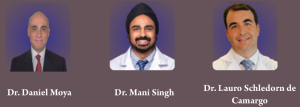
Review Article | Vol 5 | Issue 2 | July-December 2025 | page: 42-46 | Daniel Moya, Mani Singh, Lauro Schledorn de Camargo
DOI: https://doi.org/10.13107/jrs.2025.v05.i02.183
Open Access License: CC BY-NC 4.0
Copyright Statement: Copyright © 2025; The Author(s).
Submitted Date: 08 Aug 2025 , Review Date: 27 Sep 2025, Accepted Date: Nov 2025 & Published: 30 Dec 2025
Author: Daniel Moya [1], Mani Singh [2], Lauro Schledorn de Camargo [3]
[1] Department of Orthopaedics, Hospital Británico de Buenos Aires, Argentina.
[2] Department of Rehabilitation and Regenerative Medicine, Columbia University Vagelos College of Physicians and Surgeons, New York, United States.
[3] Orthopedic Surgeon, LC Clinic Jundiaí – SP, Brazil .
Address of Correspondence
Daniel Moya,
Department of Orthopaedics, Hospital Británico de Buenos Aires, Argentina.
E-mail: drdanielmoya@yahoo.com.ar
Abstract
Publications on shock wave therapy have experienced exponential growth since the beginning of the 21st century. While this has had a positive effect by providing a wealth of information, it has also generated confusion and misunderstandings. It is essential that readers be aware of the significant discrepancies and serious errors, even within the basic sciences related to this therapeutic tool.
In a literature review, we discuss examples of the most frequent errors.
Critical reading is the surest way to avoid adopting false concepts.
Keywords: Shock wave, Radial pressure waves, Literature review, Critical reading
References:
1. Skaudickas D, Lenčiauskas P, Skaudickas A, Undžytė G. Low intensity extracorporeal shockwave therapy for chronic pelvic pain syndrome: Long-term follow-up. Open Med (Wars). 2023 Oct 28;18(1):20230832. doi: 10.1515/med-2023-0832. PMID: 37900960; PMCID: PMC10612526.
2. Hur KJ, Bae WJ, Ha US, Kim S, Piao J, Jeon KH, et al. Safety and efficacy of extracorporeal shockwave therapy on chronic prostatitis/chronic pelvic pain syndrome: a prospective, randomized, double-blind, placebo-controlled study. Prostate Int. 2024 Dec;12(4):195-200. doi: 10.1016/j.prnil.2024.06.003. Epub 2024 Jun 13. PMID: 39735201; PMCID: PMC11681323. Wang YR. Safety of low-intensity extracorporeal shock wave therapy — 2024. Revisión en PMC.
3. Huang N, Qin Z, Sun W, Bao K, Zha J, Zhang P, et al. Comparing the effectiveness of extracorporeal shockwave therapy and myofascial release therapy in chronic pelvic pain syndrome: study protocol for a randomized controlled trial. Trials. 2023 Oct 18;24(1):675. doi: 10.1186/s13063-023-07633-1. PMID: 37853420; PMCID: PMC10583345.
4. Wang YR, Feng B, Qi WB, Gong YW, Kong XB, Cheng H, Dong ZL, Tian JQ, Wang ZP. Safety of low-intensity extracorporeal shock wave therapy in prostate disorders: in vitro and in vivo evidence. Asian J Androl. 2024 Sep 1;26(5):535-543. doi: 10.4103/aja202448. Epub 2024 Aug 6. PMID: 39107962; PMCID: PMC11449405.
5. Labetov I, Vaganova A, Kovalev G, Shkarupa D. Extracorporeal shockwave therapy in treatment of chronic prostatitis/chronic pelvic pain syndrome: Systematic review and meta-analyses. Neurourol Urodyn. 2024 Nov;43(8):1924-1937. doi: 10.1002/nau.25524. Epub 2024 Jun 7. PMID: 38847290. Hegazy M. A randomized trial on low-intensity shockwave therapy (2024) — publicación en revista científica (Nature-linked).
6. Hegazy M, Sheir KZ, Gaballah MA, Elshal AM. A randomized controlled trial evaluating low-intensity shockwave therapy for treatment of persistent storage symptoms following transurethral surgery for benign prostatic obstruction. Prostate Cancer Prostatic Dis. 2024 Jun;27(2):305-311. doi: 10.1038/s41391-024-00820-4. Epub 2024 Mar 29. PMID: 38553627; PMCID: PMC11096095.
7. Ogbeivor C, AlMubarak H, Akomolafe T, Alkahtani H, AlMugizel H, Marin I, Aldosari H, Aldhwayan N, Mohamed G, Alobthani K. The effectiveness of radial shockwave therapy on myofascial pain syndrome: a two-armed, randomized double-blind placebo-controlled trial. BMC Musculoskelet Disord. 2025 Apr 24;26(1):413. doi: 10.1186/s12891-025-08659-z. PMID: 40275291; PMCID: PMC12023603.
8. Hurt K, Svestkova O, Halaska M, Driak D, Rakovicova I, Musalek M, Krajcova A. Extracorporeal Shock Wave Therapy of Vulvodynia: A Feasibility Study. Actual Gyn. 2019;11:18-22
| How to Cite this article: Moya D, Singh M, Camargo LSD. How to Read Radial Pressure Wave and Shock Wave Scientific Literature Without Perishing in the Attempt. Journal of Regenerative Science. July-December 2025;5(2):42-46. |
[Article Text HTML] [Full Text PDF]
Pelvic Pain and the Use of Extracorporeal Shock Wave Therapy (ESWT)
Review Article | Vol 5 | Issue 2 | July-December 2025 | page: 39-41 | Romina Tang Candiotti
DOI: https://doi.org/10.13107/jrs.2025.v05.i02.181
Open Access License: CC BY-NC 4.0
Copyright Statement: Copyright © 2025; The Author(s).
Submitted Date: 25 Oct 2025, Review Date: 12 Nov 2025, Accepted Date: Nov 2025 & Published: 30 Dec 2025
Author: Romina Tang Candiotti [1]
[1] Pelvic floor unit. RENOVA MEDIC Medical Center, Lima, Perú.
Address of Correspondence
Armando Tonatiuh Ávila García,
Pelvic floor unit. RENOVA MEDIC Medical Center, Lima, Perú.
E-mail: romi.arw@gmail.com
Abstract
Chronic pelvic pain (CPP) is a heterogeneous condition affecting individuals of both sexes and may originate from urological, gynecological, gastroenterological, musculoskeletal, and neurological structures. Over the past three years (2023–2025), multiple clinical studies, reviews, and meta-analyses have evaluated the use of focused extracorporeal shock waves treatment (ESWT), low-intensity shock waves (Li-ESWT) and radial pressure waves (RPW), on specific CPP subtypes, particularly chronic prostatitis/chronic pelvic pain syndrome (CP/CPPS), pelvic floor myofascial pain, and vulvodynia/vestibulodynia. Recent evidence suggests benefits in pain reduction and functional improvement in the short and medium term, with a favorable safety profile; however, methodological limitations and protocol heterogeneity persist.
Keywords: Chronic pelvic pain syndrome, Shock waves, Pelvic floor myofascial pain, Chronic prostatitis, Vulvodynia, Vestibulodynia.
References:
1. Skaudickas D, Lenčiauskas P, Skaudickas A, Undžytė G. Low intensity extracorporeal shockwave therapy for chronic pelvic pain syndrome: Long-term follow-up. Open Med (Wars). 2023 Oct 28;18(1):20230832. doi: 10.1515/med-2023-0832. PMID: 37900960; PMCID: PMC10612526.
2. Hur KJ, Bae WJ, Ha US, Kim S, Piao J, Jeon KH, et al. Safety and efficacy of extracorporeal shockwave therapy on chronic prostatitis/chronic pelvic pain syndrome: a prospective, randomized, double-blind, placebo-controlled study. Prostate Int. 2024 Dec;12(4):195-200. doi: 10.1016/j.prnil.2024.06.003. Epub 2024 Jun 13. PMID: 39735201; PMCID: PMC11681323. Wang YR. Safety of low-intensity extracorporeal shock wave therapy — 2024. Revisión en PMC.
3. Huang N, Qin Z, Sun W, Bao K, Zha J, Zhang P, et al. Comparing the effectiveness of extracorporeal shockwave therapy and myofascial release therapy in chronic pelvic pain syndrome: study protocol for a randomized controlled trial. Trials. 2023 Oct 18;24(1):675. doi: 10.1186/s13063-023-07633-1. PMID: 37853420; PMCID: PMC10583345.
4. Wang YR, Feng B, Qi WB, Gong YW, Kong XB, Cheng H, Dong ZL, Tian JQ, Wang ZP. Safety of low-intensity extracorporeal shock wave therapy in prostate disorders: in vitro and in vivo evidence. Asian J Androl. 2024 Sep 1;26(5):535-543. doi: 10.4103/aja202448. Epub 2024 Aug 6. PMID: 39107962; PMCID: PMC11449405.
5. Labetov I, Vaganova A, Kovalev G, Shkarupa D. Extracorporeal shockwave therapy in treatment of chronic prostatitis/chronic pelvic pain syndrome: Systematic review and meta-analyses. Neurourol Urodyn. 2024 Nov;43(8):1924-1937. doi: 10.1002/nau.25524. Epub 2024 Jun 7. PMID: 38847290. Hegazy M. A randomized trial on low-intensity shockwave therapy (2024) — publicación en revista científica (Nature-linked).
6. Hegazy M, Sheir KZ, Gaballah MA, Elshal AM. A randomized controlled trial evaluating low-intensity shockwave therapy for treatment of persistent storage symptoms following transurethral surgery for benign prostatic obstruction. Prostate Cancer Prostatic Dis. 2024 Jun;27(2):305-311. doi: 10.1038/s41391-024-00820-4. Epub 2024 Mar 29. PMID: 38553627; PMCID: PMC11096095.
7. Ogbeivor C, AlMubarak H, Akomolafe T, Alkahtani H, AlMugizel H, Marin I, Aldosari H, Aldhwayan N, Mohamed G, Alobthani K. The effectiveness of radial shockwave therapy on myofascial pain syndrome: a two-armed, randomized double-blind placebo-controlled trial. BMC Musculoskelet Disord. 2025 Apr 24;26(1):413. doi: 10.1186/s12891-025-08659-z. PMID: 40275291; PMCID: PMC12023603.
8. Hurt K, Svestkova O, Halaska M, Driak D, Rakovicova I, Musalek M, Krajcova A. Extracorporeal Shock Wave Therapy of Vulvodynia: A Feasibility Study. Actual Gyn. 2019;11:18-22

| How to Cite this article: Candiotti RT. Pelvic Pain and the Use of Extracorporeal Shock Wave Therapy (ESWT). Journal of Regenerative Science. July-December 2025;5(2):39-41. |
[Article Text HTML] [Full Text PDF]
Extracorporeal Shock Wave Therapy and Radial Pressure Wave Therapy in Carpal Tunnel Syndrome: A Narrative Review of Clinical Outcomes and Therapeutic Implications
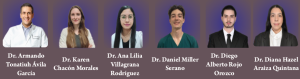
Review Article | Vol 5 | Issue 2 | July-December 2025 | page: 32-38 | Armando Tonatiuh Ávila García, Karen Chacón Morales, Ana Lilia Villagrana Rodríguez, Daniel Miller Serano, Diego Alberto Rojo Orozco, Diana Hazel Araiza Quintana
DOI: https://doi.org/10.13107/jrs.2025.v05.i02.179
Open Access License: CC BY-NC 4.0
Copyright Statement: Copyright © 2025; The Author(s).
Submitted Date: 05 Aug 2025, Review Date: 18 Nov 2025, Accepted Date: Nov 2025 & Published: 30 Dec 2025
Author: Armando Tonatiuh Ávila García [1], Karen Chacón Morales [1], Ana Lilia Villagrana Rodríguez [1], Daniel Miller Serano [1], Diego Alberto Rojo Orozco [1], Diana Hazel Araiza Quintana [1]
[1] Department of Physical Medicine and Rehabilitation, Hospital Civil de Guadalajara “Fray Antonio Alcalde,” Guadalajara, Jalisco, México.
Address of Correspondence
Armando Tonatiuh Ávila García,
Department of Physical Medicine and Rehabilitation, Hospital Civil de Guadalajara “Fray Antonio Alcalde,” Guadalajara, Jalisco, México.
E-mail: atavila@hcg.gob.mx
Abstract
Background: Carpal tunnel syndrome (CTS) is the most common peripheral entrapment neuropathy and a frequent cause of pain, functional impairment, and reduced quality of life. Although conservative management remains the first-line approach for mild-to-moderate disease, optimal non-invasive treatment strategies continue to be investigated. Extracorporeal shock wave therapy (ESWT) and radial pressure wave therapy (RPWT) have emerged as potential therapeutic alternatives due to their biological effects on nerve regeneration, inflammation, and tissue healing.
Objective: The objective of the study is to synthesize and critically evaluate the current evidence regarding the efficacy and safety of ESWT and RPWT in the management of CTS.
Methods: A narrative review of the literature was conducted using PubMed, Scopus, and Web of Science databases. Studies evaluating the effects of ESWT and RPWT in patients with CTS were included, encompassing randomized controlled trials, observational studies, and systematic reviews. Outcomes of interest included pain intensity, functional status, and electrophysiological parameters.
Results: The available evidence suggests that ESWT and RPWT are associated with significant improvements in pain relief, functional outcomes, and nerve conduction parameters in patients with mild-to-moderate CTS. Both ESWT and RPWT modalities demonstrated clinical benefits, with improvements observed in Visual Analog Scale scores, Boston Carpal Tunnel Questionnaire outcomes, and electrophysiological measures. Across studies, ESWT and RPWT were generally well tolerated, with minimal and transient adverse effects. Comparisons with conventional treatments, including splinting and corticosteroid injection, indicate comparable or superior outcomes for ESWT and RPWT in selected patient populations.
Conclusion: ESWT and RPWT represent promising non-invasive treatment options for CTS, offering meaningful clinical benefits with a favorable safety profile. Although current evidence supports its use in mild-to-moderate disease, further high-quality randomized controlled trials are warranted to establish optimal treatment parameters and long-term efficacy.
Keywords: Carpal Tunnel Syndrome, Extracorporeal Shock Wave Therapy, Radial Pressure Wave Therapy, Median Nerve.`
References:
1. Padua L, Coraci D, Erra C, Pazzaglia C, Paolasso I, Loreti C, Caliandro P, Hobson-Webb LD. Carpal tunnel syndrome: clinical features, diagnosis, and management. Lancet Neurol. 2016 Nov;15(12):1273-1284. doi: 10.1016/S1474-4422(16)30231-9. Epub 2016 Oct 11. PMID: 27751557.
2. Zamborsky R, Kokavec M, Simko L, Bohac M. Carpal Tunnel Syndrome: Symptoms, Causes and Treatment Options. Literature Reviev. Ortop Traumatol Rehabil. 2017 Jan 26;19(1):1-8. doi: 10.5604/15093492.1232629. PMID: 28436376.
3. Yesuf T, Borsamo A, Aragie H, Asmare Y. Prevalence of carpal tunnel syndrome and its associated factors among patients with musculoskeletal complaints: a single-center experience from Eastern Ethiopia. BMC Musculoskelet Disord. 2025 Jul 9;26(1):667. doi: 10.1186/s12891-025-08859-7. PMID: 40634896; PMCID: PMC12239355.
4. Rotaru-Zavaleanu AD, Lungulescu CV, Bunescu MG, Vasile RC, Gheorman V, Gresita A, Dinescu VC. Occupational Carpal Tunnel Syndrome: a scoping review of causes, mechanisms, diagnosis, and intervention strategies. Front Public Health. 2024 May 22;12:1407302. doi: 10.3389/fpubh.2024.1407302. PMID: 38841666; PMCID: PMC11150592.
5. Joshi A, Patel K, Mohamed A, Oak S, Zhang MH, Hsiung H, Zhang A, Patel UK. Carpal Tunnel Syndrome: Pathophysiology and Comprehensive Guidelines for Clinical Evaluation and Treatment. Cureus. 2022 Jul 20;14(7):e27053. doi: 10.7759/cureus.27053. PMID: 36000134; PMCID: PMC9389835.
6. Preston DC, Shapiro BE. Neuropatías craneales. En: Preston DC, Shapiro BE, editores. Electromiografía y Trastornos Neuromusculares: Correlaciones Clínicas, Electrofisiológicas y Ecográficas. 4ª ed. Barcelona: Elsevier; 2021. p. 323-57.
7. Wielemborek PT, Kapica-Topczewska K, Bielecki M, Kułakowski R, Mirowska-Guzel D, Kochanowicz J, Kułakowska A. Manual therapy compared to surgery in the treatment of moderate carpal tunnel syndrome. Postep Psychiatr Neurol. 2024 Dec;33(4):248-256. doi: 10.5114/ppn.2024.147102. Epub 2025 Feb 25. PMID: 40070424; PMCID: PMC11891758.
8. Urits I, Gress K, Charipova K, Orhurhu V, Kaye AD, Viswanath O. Recent Advances in the Understanding and Management of Carpal Tunnel Syndrome: a Comprehensive Review. Curr Pain Headache Rep. 2019 Aug 1;23(10):70. doi: 10.1007/s11916-019-0811-z. PMID: 31372847.
9. Fernández-de-Las-Peñas C, Arias-Buría JL, Ortega-Santiago R, De-la-Llave-Rincón AI. Understanding central sensitization for advances in management of carpal tunnel syndrome. F1000Res. 2020 Jun 15;9:F1000 Faculty Rev-605. doi: 10.12688/f1000research.22570.1. PMID: 32595941; PMCID: PMC7308881.
10. Wipperman J, Goerl K. Carpal Tunnel Syndrome: Diagnosis and Management. Am Fam Physician. 2016 Dec 15;94(12):993-999. PMID: 28075090.
11. Dahlin LB, Zimmerman M, Calcagni M, Hundepool CA, van Alfen N, Chung KC. Carpal tunnel syndrome. Nat Rev Dis Primers. 2024 May 23;10(1):37. doi: 10.1038/s41572-024-00521-1. PMID: 38782929.
12. Chammas M, Boretto J, Burmann LM, Ramos RM, Dos Santos Neto FC, Silva JB. Carpal tunnel syndrome – Part I (anatomy, physiology, etiology and diagnosis). Rev Bras Ortop. 2014 Aug 20;49(5):429-36. doi: 10.1016/j.rboe.2014.08.001. PMID: 26229841; PMCID: PMC4487499.
13. Yang L, Li X, Li S, Yang J, Meng D. Effect of extracorporeal shock wave therapy on nerve conduction: a systematic review and meta-analysis. Front Neurol. 2024 Nov 22;15:1493692. doi: 10.3389/fneur.2024.1493692. PMID: 39650239; PMCID: PMC11621010.
14. Li W, Dong C, Wei H, Xiong Z, Zhang L, Zhou J, Wang Y, Song J, Tan M. Extracorporeal shock wave therapy versus local corticosteroid injection for the treatment of carpal tunnel syndrome: a meta-analysis. J Orthop Surg Res. 2020 Nov 23;15(1):556. doi: 10.1186/s13018-020-02082-x. PMID: 33228746; PMCID: PMC7685634.
15. Chen Y, Han B, Zhang X, Guo C, Han Q, Zhang Z, Hou S. Conservative Treatments of Carpal Tunnel Syndrome: A Systematic Review and Network Meta-analysis. Arch Phys Med Rehabil. 2025 Sep;106(9):1447-1458. doi: 10.1016/j.apmr.2025.04.002. Epub 2025 Apr 30. PMID: 40315975.
16. Vongvachvasin P, Phakdepiboon T, Chira-Adisai W, Siriratna P. Efficacy of focused shockwave therapy in patients with moderate-to-severe carpal tunnel syndrome: a preliminary study. J Rehabil Med. 2024 Feb 8;56:jrm13411. doi: 10.2340/jrm.v56.13411. PMID: 38332536; PMCID: PMC10865893.
17. Menekseoglu AK, Korkmaz MD, Segmen H. Clinical and electrophysiological efficacy of extracorporeal shock-wave therapy in carpal tunnel syndrome: a placebo-controlled, double-blind clinical trial. Rev Assoc Med Bras (1992). 2023 Feb 17;69(1):124-130. doi: 10.1590/1806-9282.20220943. PMID: 36820719; PMCID: PMC9937620.
18. Xu D, Ma W, Jiang W, Hu X, Jiang F, Mao C, Wang Y, Fang L, Luo N, Li H, Lou Z, Gan K. A randomized controlled trial: comparing extracorporeal shock wave therapy versus local corticosteroid injection for the treatment of carpal tunnel syndrome. Int Orthop. 2020 Jan;44(1):141-146. doi: 10.1007/s00264-019-04432-9. Epub 2019 Oct 26. PMID: 31655883.
19. Habibzadeh A, Mousavi-Khatir R, Saadat P, Javadian Y. The effect of radial shockwave on the median nerve pathway in patients with mild-to-moderate carpal tunnel syndrome: a randomized clinical trial. J Orthop Surg Res. 2022 Jan 25;17(1):46. doi: 10.1186/s13018-022-02941-9. PMID: 35078486; PMCID: PMC8786622.
20. Sağlam G, Çetinkaya Alişar D, Özen S. Physical therapy versus radial extracorporeal shock wave therapy in the treatment of carpal tunnel syndrome: A randomized-controlled study. Turk J Phys Med Rehabil. 2022 Mar 1;68(1):126-135. doi: 10.5606/tftrd.2022.7187. PMID: 35949973; PMCID: PMC9305635.
21. Yang L, Li X, Li S, Yang J, Meng D. Effect of extracorporeal shock wave therapy on nerve conduction: a systematic review and meta-analysis. Front Neurol. 2024 Nov 22;15:1493692. doi: 10.3389/fneur.2024.1493692. PMID: 39650239; PMCID: PMC11621010.
22. Koçak Ulucaköy R, Yurdakul FG, Bodur H. Extracorporeal shock wave therapy as a conservative treatment option for carpal tunnel syndrome: A double-blind, prospective, randomized, placebo-controlled study. Turk J Phys Med Rehabil. 2020 Nov 9;66(4):388-397. doi: 10.5606/tftrd.2020.3956. PMID: 33364558; PMCID: PMC7756840.
23. Turgut MC, Saglam G, Toy S. Efficacy of extracorporeal shock wave therapy for pillar pain after open carpal tunnel release: a double-blind, randomized, sham-controlled study. Korean J Pain. 2021 Jul 1;34(3):315-321. doi: 10.3344/kjp.2021.34.3.315. PMID: 34193637; PMCID: PMC8255150.
| How to Cite this article: Richmond C, Thieu V, Singh M. Application of Extracorporeal Shockwave Therapy for Recalcitrant Patellar Tendinopathy Following Anterior Cruciate Ligament Reconstruction With Patellar Tendon Autograft. Journal of Regenerative Science. July-December 2025;5(2):32-38 |
[Article Text HTML] [Full Text PDF]
Application of Extracorporeal Shockwave Therapy for Recalcitrant Patellar Tendinopathy Following Anterior Cruciate Ligament Reconstruction with Patellar Tendon Autograft
Case Report | Vol 5 | Issue 2 | July-December 2025 | page: 28-31 | Connor Richmond, Vincent Thieu, Mani Singh
DOI: https://doi.org/10.13107/jrs.2025.v05.i02.177
Open Access License: CC BY-NC 4.0
Copyright Statement: Copyright © 2025; The Author(s).
Submitted Date: 19 Sep 2025, Review Date: 02 Nov 2025, Accepted Date: Nov 2025 & Published: 30 Dec 2025
Author: Connor Richmond [1], Vincent Thieu [1], Mani Singh [2]
[1] NewYork-Presbyterian Hospital, Columbia University Department of Rehabilitation and Regenerative Medicine & Weill Cornell Department of Rehabilitation Medicine
[2] Department of Rehabilitation and Regenerative Medicine, Columbia University Vagelos College of Physicians and Surgeons, New York, United States.
Address of Correspondence
Na Chen,
Department of Internal Medicine, Peking University Hospital, Beijing, China. E-mail: 18901267905@163.com; CN09558@pku.edu.cn.
Abstract
Purpose: Extracorporeal Extracorporeal shockwave therapy (ESWT) has been increasingly utilized for musculoskeletal pathology, including conditions such as patellar tendinopathy. More recently, there is growing evidence to support the use of ESWT following anterior cruciate ligament (ACL) reconstruction to support post-operative rehabilitation and optimize return to sport.
We report a case of a 21-year-old collegiate male athlete with a relevant history of Osgood–Schlatter disease who suffered from an acute ACL rupture and subsequently underwent ACL reconstruction (ACLR) using bone-patellar tendon-bone (BTB) autograft. His rehabilitation course was complicated by worsening anterior knee pain consistent with patellar tendinopathy. His symptomatic knee was treated with four sessions of ESWT using both focused and radial devices. He was able to return to play 1 month later with improvement in pain, quadriceps strength, and on-field sports-specific function.
ESWT may serve as an adjunct to conventional rehabilitation following ACLR, particularly in patients experiencing patellar tendon-related pain.
Keywords: Patellar Tendinopathy; Anterior cruciate ligament reconstruction; Focused shock waves, Radial pressure waves
References:
1. Bram JT, Magee LC, Mehta NN, Patel NM, Ganley TJ. Anterior cruciate ligament injury incidence in adolescent athletes: A systematic review and meta-analysis. Am J Sports Med 2021;49:1962-72.
2. Musahl V, Karlsson J. Anterior cruciate ligament tear. N Engl J Med 2019;380:2341-8.
3. Rousseau R, Labruyere C, Kajetanek C, Deschamps O, Makridis KG, Djian P. Complications after anterior cruciate ligament reconstruction and their relation to the type of graft: A prospective study of 958 cases. Am J Sports Med 2019;47:2543-9.
4. Zhang S, Wen A, Li S, Yao W, Liu C, Lin Z, Jin Z, Chen J, Hua Y, Chen S, Li Y. Radial Extracorporeal Shock Wave Therapy Enhances Graft Maturation at 2-Year Follow-up After ACL Reconstruction: A Randomized Controlled Trial. Orthop J Sports Med. 2023 Feb 2;10(9):1-12. 23259671221116340. doi: 10.1177/23259671221116340. PMID: 36760537; PMCID: PMC9902647.
5. Wang CJ, Ko JY, Chou WY, Hsu SL, Ko SF, Huang CC, et al. Shockwave therapy improves anterior cruciate ligament reconstruction. J Surg Res 2014;188:110-8.
6. Rahim M, Ooi FK, Shihabudin MT, Chen CK, Musa AT. The effects of three and six sessions of low energy extracorporeal shockwave therapy on graft incorporation and knee functions post anterior cruciate ligament reconstruction. Malays Orthop J 2022;16:28-39.
7. Song Y, Che X, Wang Z, Li M, Zhang R, Wang D, et al. A randomized trial of treatment for anterior cruciate ligament reconstruction by radial extracorporeal shock wave therapy. BMC Musculoskelet Disord 2024;25:57.
8. Weninger P, Thallinger C, Chytilek M, Hanel Y, Steffel C, Karimi R, et al. Extracorporeal shockwave therapy improves outcome after primary anterior cruciate ligament reconstruction with hamstring tendons. J Clin Med 2023;12:3350.
9. Mani-Babu S, Morrissey D, Waugh C, Screen H, Barton C. The effectiveness of extracorporeal shock wave therapy in lower limb tendinopathy: A systematic review. Am J Sports Med 2015;43:752-61.
10. Schroeder AN, Tenforde AS, Jelsing EJ. Extracorporeal shockwave therapy in the management of sports medicine injuries. Curr Sports Med Rep 2021;20:298-305.
11. Van Leeuwen MT, Zwerver J, Van Den Akker-Scheek I. Extracorporeal shockwave therapy for patellar tendinopathy: A review of the literature. Br J Sports Med 2009;43:163-8.
12. Cheng L, Chang S, Qian L, Wang Y, Yang M. Extracorporeal shock wave therapy for isokinetic muscle strength around the knee joint in athletes with patellar tendinopathy. J Sports Med Phys Fitness 2019;59:822-7.

| How to Cite this article: Richmond C, Thieu V, Singh M. Application of Extracorporeal Shockwave Therapy for Recalcitrant Patellar Tendinopathy Following Anterior Cruciate Ligament Reconstruction With Patellar Tendon Autograft. Journal of Regenerative Science. July-December 2025;5(2):28-31. |
[Article Text HTML] [Full Text PDF]
Visual Analysis of Research Progress and Trends in Extracorporeal Shock Wave Therapy for Coronary Heart Disease
Original Article | Vol 5 | Issue 2 | July-December 2025 | page: 20-27 | Na Chen
DOI: https://doi.org/10.13107/jrs.2025.v05.i02.175
Open Access License: CC BY-NC 4.0
Copyright Statement: Copyright © 2025; The Author(s).
Submitted Date: 25 Oct 2025, Review Date: 12 Nov 2025, Accepted Date: Nov 2025 & Published: 30 Dec 2025
Author: Na Chen [1]
[1] Department of Internal Medicine, Peking University Hospital, Beijing, China
Address of Correspondence
Na Chen,
Department of Internal Medicine, Peking University Hospital, Beijing, China. E-mail: 18901267905@163.com; CN09558@pku.edu.cn.
Abstract
Purpose: Extracorporeal shock wave therapy (ESWT) has emerged as a promising non-invasive intervention in cardiovascular disease (CVD) management, with increasing research interest over the past two decades. This study aimed to systematically analyze the research progress, hotspots, and development trends in ESWT for CVD using bibliometric methods, providing a comprehensive overview for subsequent research.
Methods: Literature related to ESWT and CVD was retrieved from the Web of Science Core Collection database, covering the period from 1999 to August 2025. The search strategy was defined as TS=([Shock wave OR Extracorporeal shock wave therapy OR ESWT] AND [Cardiovascular disease OR Coronary artery disease OR Myocardial ischemia OR Heart failure]). After excluding non-English studies, proceeding papers, retracted publications, and early access articles, 465 valid articles were included. Bibliometric analysis was performed using VOSviewer and CiteSpace software, focusing on publication trends, country/institution contributions, author collaborations, journal distributions, keyword co-occurrence, and cited references.
Results: A total of 465 publications involving 3019 authors from 1001 institutions across 55 countries were included, with 15,556 citations from 3104 sources. The annual number of publications has shown a steady growth trend since 2017. The United States (133 documents, 53.3 average citations) was the most influential country, followed by China (82 documents) and Germany (47 documents). Tohoku University (20 documents, 56.1 average citations) and Mayo Clinic (11 documents, 79.7 average citations) were leading institutions. Hiroaki Shimokawa and Hon-Kan Yip (18 documents each) were the most productive authors. Heart Rhythm (15 documents, 44.8 average citations) and Circulation (9 documents, 140.2 average citations) were core journals in this field. High-frequency keywords included “heart failure” (56 times), “coronary artery disease” (44 times), and “mortality” (41 times), with “outcome” being recent burst terms (2023–2025). The top-cited reference was a 2004 study on ESWT improving ischemia-induced myocardial dysfunction in pigs (87 citations).
Conclusion: ESWT for CVD is a rapidly developing research field, with the United States leading in academic influence. Current research focuses on myocardial ischemia, heart failure, and therapeutic efficacy/safety, while future trends may involve exploring mechanisms related to extracorporeal shock wave action and expanding clinical applications in comorbidities.
Keywords: Extracorporeal shock wave therapy, Cardiovascular disease, Bibliometrics, CiteSpace, VOSviewer
References:
1. GBD 2017 Causes of Death Collaborators. Global, regional, and national age-sex-specific mortality for 282 causes of death in 195 countries and territories, 1980-2017: A systematic analysis for the Global Burden of Disease Study 2017. Lancet 2018;392:1736-88.
2. Spadaccio C, Benedetto U. Coronary artery bypass grafting (CABG) vs. percutaneous coronary intervention (PCI) in the treatment of multivessel coronary disease: Quo vadis? -A review of the evidences on coronary artery disease. Ann Cardiothorac Surg 2018;7:506-15.
3. Ponikowski P, Voors AA, Anker SD, Bueno H, Cleland JG, Coats AJ, et al. 2016 ESC Guidelines for the diagnosis and treatment of acute and chronic heart failure: The Task Force for the diagnosis and treatment of acute and chronic heart failure of the European Society of Cardiology (ESC)Developed with the special contribution of the Heart Failure Association (HFA) of the ESC. Eur Heart J 2016;37:2129-200.
4. Chen N, Ji H. Cardiac shock wave therapy in cardiovascular diseases. J Regen Sci 2023;3:81-6.
5. Simplicio CL, Purita J, Murrell W, Santos GS, Dos Santos RG, Lana JF. Extracorporeal shock wave therapy mechanisms in musculoskeletal regenerative medicine. J Clin Orthop Trauma 2020;11:S309-18.
6. Kobayashi R, Camargo LS, Moya D. Latin American survey on shock wave therapy. J Regen Sci 2024;4:8-11.
7. Simplício CL, Rodrigues IJ, De Barros GA. Extracorporeal shock waves in metabolic inflammation. J Regen Sci 2024;4:18-25.
8. Kou D, Chen Q, Wang Y, Xu G, Lei M, Tang X, et al. The application of extracorporeal shock wave therapy on stem cells therapy to treat various diseases. Stem Cell Res Ther 2024;15:271.
9. Wang M, Yang D, Hu Z, Shi Y, Ma Y, Cao X, et al. Extracorporeal cardiac shock waves therapy improves the function of endothelial progenitor cells after hypoxia injury via activating PI3K/Akt/eNOS signal pathway. Front Cardiovasc Med 2021;8:747497.
10. Nishida T, Shimokawa H, Oi K, Tatewaki H, Uwatoku T, Abe K, et al. Extracorporeal cardiac shock wave therapy markedly ameliorates ischemia-induced myocardial dysfunction in pigs in vivo. Circulation 2004;110:3055-61.
11. Fukumoto Y, Ito A, Uwatoku T, Matoba T, Kishi T, Tanaka H, et al. Extracorporeal cardiac shock wave therapy ameliorates myocardial ischemia in patients with severe coronary artery disease. Coron Artery Dis 2006;17:63-70.
12. Jia N, Zhang R, Liu B, Liu B, Qi X, Lan M, et al. Efficacy and safety of cardiac shock wave therapy for patients with severe coronary artery disease: A randomized, double-blind control study. J Nucl Cardiol 2022;29:2404-19.
13. Li X, Zhang C, Liu C, Ma Y, Shi Y, Ye Y, et al. Principle and design of clinical efficacy observation of extracorporeal cardiac shock wave therapy for patients with myocardial ischemia-reperfusion injury: A prospective randomized controlled trial protocol. PLoS One 2023;18:e0294060.
14. Holfeld J, Nägele F, Pölzl L, Engler C, Graber M, Hirsch J, et al. Cardiac shockwave therapy in addition to coronary bypass surgery improves myocardial function in ischaemic heart failure: The CAST-HF trial. Eur Heart J 2024;45:2634-43.
15. van Eck NJ, Waltman L. Software survey: VOSviewer, a computer program for bibliometric mapping. Scientometrics 2010;84:523-38.
16. Page MJ, McKenzie JE, Bossuyt PM, Boutron I, Hoffmann TC, Mulrow CD, et al. The PRISMA 2020 statement: An updated guideline for reporting systematic reviews. BMJ 2021;372:n71.
17. Zhang J, Zhang J, Jin J, Jiang X, Yang L, Fan S, et al. Artificial intelligence applied in cardiovascular disease: A bibliometric and visual analysis. Front Cardiovasc Med 2024;11:1323918.
18. Yeung AW. A revisit to the specification of sub-datasets and corresponding coverage timespans when using Web of Science Core Collection. Heliyon 2023;9:e21527.
19. Chen C. CiteSpace II: Detecting and visualizing emerging trends and transient patterns in scientific literature. J Am Soc Inform Sci Technol 2006;57:359-77.
20. Ito K, Fukumoto Y, Shimokawa H. Extracorporeal shock wave therapy for ischemic cardiovascular disorders. Am J Cardiovasc Drugs 2011;11:295-302.
21. Sung PH, Fu M, Chiang HJ, Huang CR, Chu CH, Lee MS, et al. Reduced effects of cardiac extracorporeal shock wave therapy on angiogenesis and myocardial function recovery in patients with end-stage coronary artery and renal diseases. Biomed J 2021;44:S201-9.
22. Uwatoku T, Ito K, Abe K, Oi K, Hizume T, Sunagawa K, et al. Extracorporeal cardiac shock wave therapy improves left ventricular remodeling after acute myocardial infarction in pigs. Coron Artery Dis 2007;18:397-404.
23. Kikuchi Y, Ito K, Ito Y, Shiroto T, Tsuburaya R, Aizawa K, et al. Double-blind and placebo-controlled study of the effectiveness and safety of extracorporeal cardiac shock wave therapy for severe angina pectoris. Circ J 2010;74:589-91.
24. Aicher A, Heeschen C, Sasaki K, Urbich C, Zeiher AM, Dimmeler S. Low-energy shock wave for enhancing recruitment of endothelial progenitor cells: A new modality to increase efficacy of cell therapy in chronic hind limb ischemia. Circulation 2006;114:2823-30.

| How to Cite this article: Chen N . Visual analysis of research progress and trends in extracorporeal shock wave therapy for coronary heart disease. Journal of Regenerative Science. July-Decemnber 2025;5(2):20-27 |
